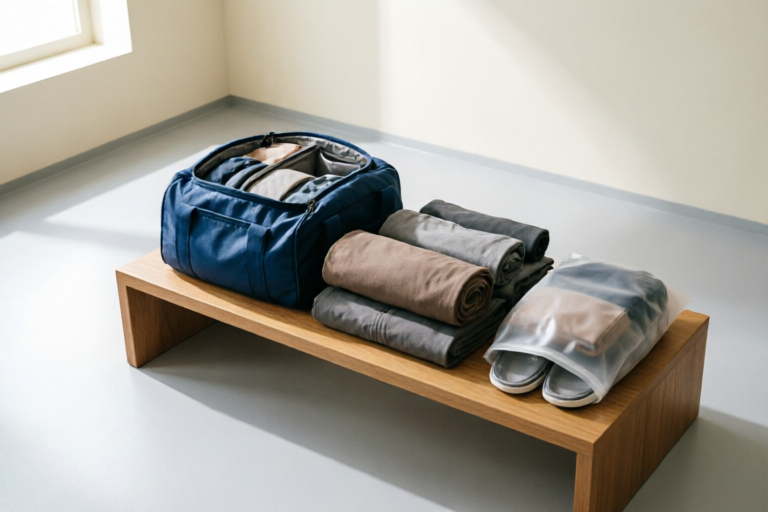
How to Pack Light for a Long Trip
Travel Smarter, Pack Lighter
Introduction
Packing light for a long trip is crucial for ensuring a smooth and enjoyable journey. Many travelers face the challenge of overpacking, which can lead to unnecessary stress, extra baggage fees, and physical strain. By packing smartly, you can reduce these issues and focus on enjoying your destination. In this guide, we'll explore practical strategies to help you pack efficiently and travel with ease.
1. Prioritize Essential Items
List Must-Have Items
When packing for a long trip, it's important to start by identifying the essentials. These include:
- Travel Documents: Passport, visa, travel insurance, and any necessary identification cards.
- Toiletries: Toothbrush, toothpaste, deodorant, shampoo, conditioner, and any specific skincare products.
- Clothing: Undergarments, socks, comfortable walking shoes, and at least one outfit for formal occasions.
Choosing versatile clothing that can be mixed and matched is key. Opt for items like neutral-colored t-shirts, lightweight pants, and layerable jackets. This approach not only saves space but also allows you to create multiple outfits from a limited number of pieces.
Choose Versatile Clothing
Versatile clothing is your best friend when packing light. Look for items that can be worn in different settings and weather conditions. For example, a pair of dark jeans can be dressed up with a blazer for a night out or paired with a casual shirt for sightseeing. Similarly, a lightweight jacket can serve as both a layer against cool evenings and a windbreaker during outdoor activities.
2. Minimize Accessories and Electronics
Reduce the Number of Accessories
Accessories like jewelry, belts, and scarves can quickly add up in terms of both weight and space. To minimize these, consider:
- Limit Jewelry: Bring only one or two pieces that are both stylish and functional.
- Consolidate Belts: Choose one belt that can complement multiple outfits.
- Scarves and Hats: Bring just one or two versatile options that can be used for both style and functionality.
By reducing the number of accessories, you can free up valuable space in your luggage.
Tips on Consolidating Electronics
Electronics like chargers, adapters, and headphones can take up a lot of room if not managed properly. Here are some tips to consolidate:
- Universal Chargers: Invest in a universal travel charger that can power multiple devices.
- Portable Power Banks: Carry a portable power bank to keep your devices charged without the need for bulky chargers.
- Headphones and Earbuds: Opt for a single pair of high-quality headphones or earbuds rather than multiple pairs.
By consolidating your electronics, you can reduce clutter and ensure you have everything you need without overloading your luggage.
3. Use Packing Cubes and Compression Bags
Benefits of Using Packing Cubes
Packing cubes are an excellent tool for organizing your belongings efficiently. They come in various sizes and can help you:
- Separate Categories: Keep clothing, electronics, and toiletries in separate compartments.
- Prevent Wrinkles: Packing cubes compress clothing, reducing wrinkles and saving space.
- Easy Access: Quickly locate items when unpacking or repacking.
Using packing cubes ensures that your luggage stays organized throughout your trip, making it easier to find what you need and reducing the chances of losing items.
Compression Bags
Compression bags are another useful tool for maximizing space. They allow you to compress bulky items like sweaters, jackets, and bedding, making them much more compact. To use compression bags effectively:
- Choose the Right Size: Select bags that fit your largest items snugly.
- Remove Air: Squeeze out all the air before sealing the bag.
- Layer Items: Place heavier items at the bottom and lighter ones on top.
By combining packing cubes and compression bags, you can significantly reduce the size and weight of your luggage, making your trip more manageable.
4. Plan Your Outfits in Advance
Planning Outfits Before the Trip
One of the most effective ways to avoid overpacking is to plan your outfits in advance. Create a list of all the activities you expect to do during your trip and plan outfits accordingly. For example:
- Day Trips: Casual, comfortable clothing for sightseeing and exploring.
- Evenings Out: Dressier outfits for dinners, shows, or cultural events.
- Free Time: Comfortable loungewear for relaxing at your accommodation.
By planning your outfits ahead of time, you can ensure that you have exactly what you need without the temptation to pack extra items.
Reusing Clothes During the Trip
Another tip is to reuse clothes during your trip. Many travelers mistakenly believe they need a fresh outfit for every day. However, many items can be reused after a quick wash or airing. For example:
- Undergarments: Reuse undies and socks multiple times, especially if you carry a small laundry detergent or stain remover.
- Outerwear: Jackets and outer layers can often be worn more than once, especially if you hang them to air between uses.
By reusing clothes, you can significantly reduce the amount of clothing you need to pack, freeing up space for other essentials.
5. Consider Layering Over Bringing Multiple Outfits
Advantages of Layering
Layering is a powerful strategy for adapting to changing weather conditions without needing multiple outfits. Instead of packing several complete outfits, pack a few core pieces and layer them according to the weather. For example:
\n- Base Layer: A moisture-wicking shirt or thermal top.
- Middle Layer: A fleece or light sweater for warmth.
- Outer Layer: A waterproof jacket or windbreaker.
By layering, you can adjust your clothing based on the temperature, ensuring you stay comfortable in a variety of climates.
Examples of Layering Combinations
Here are some layering combinations suitable for different climates:
- Warm Weather: Moisture-wicking tank top + lightweight jacket + wide-brimmed hat.
- Cool Weather: Thermal base layer + insulated jacket + scarf and gloves.
- Moderate Weather: Crew neck shirt + lightweight sweater + windbreaker.
Layering not only saves space but also ensures you're prepared for a range of temperatures without overpacking.
6. Leave Room for Souvenirs
Importance of Leaving Extra Space
One of the most overlooked aspects of packing light is leaving room for souvenirs. Whether it's a small trinket or a larger item, having extra space in your luggage can make the process of bringing home mementos much easier. To ensure you have enough space:
- Estimate Souvenir Weight: Think about the types of souvenirs you might buy and estimate their weight.
- Optimize Luggage Capacity: Use packing cubes and compression bags to maximize available space.
- Use Checked Baggage: If you anticipate bringing back heavy or large items, consider checking a bag.
By planning ahead and leaving extra space, you can enjoy your trip without worrying about fitting souvenirs into your luggage.
Tips on Minimizing Souvenir Weight
While souvenirs are a great way to remember your trip, they can quickly add weight to your luggage. To minimize the weight:
- Choose Lightweight Items: Opt for items made of materials like wood, glass, or metal over heavier alternatives.
- Consider Digital Souvenirs: Take photos, videos, and notes instead of physical items.
- Wrap Carefully: Use bubble wrap or soft cloth to protect fragile items and prevent damage.
By being mindful of the weight and type of souvenirs you bring back, you can avoid adding unnecessary bulk to your luggage.
Conclusion
Packing light for a long trip is all about preparation, organization, and smart choices. By prioritizing essential items, minimizing accessories and electronics, using packing cubes and compression bags, planning your outfits in advance, considering layering over bringing multiple outfits, and leaving room for souvenirs, you can travel with ease and comfort. Remember, the goal is not just to pack less but to pack smarter. So, the next time you prepare for a long trip, apply these tips and enjoy the benefits of traveling light.
Comments

I tried this for my last trip and it made a huge difference. Now I'm excited to try it again for my next adventure.

Super helpful. I've been packing light for years, but this gave me some new ideas. Thanks!

Love it! But what about when you need to bring formal wear? Any tips for keeping those wrinkle-free?

Packing cubes saved my life. I can't imagine packing without them now. Anyone else find them essential?
Layering is a game changer. I packed less but stayed comfy in different weather. Thanks for the climate-specific tips!

Worked for me. I left more room for souvenirs this time. Just wish there was more info on travel-friendly makeup options.
Great tips! I'm curious though, what do you guys suggest for long-haul flights? Any tricks to stay comfortable?
This really helped! I used to overpack all the time. Now I plan my outfits and use packing cubes. So much lighter and easier to manage!