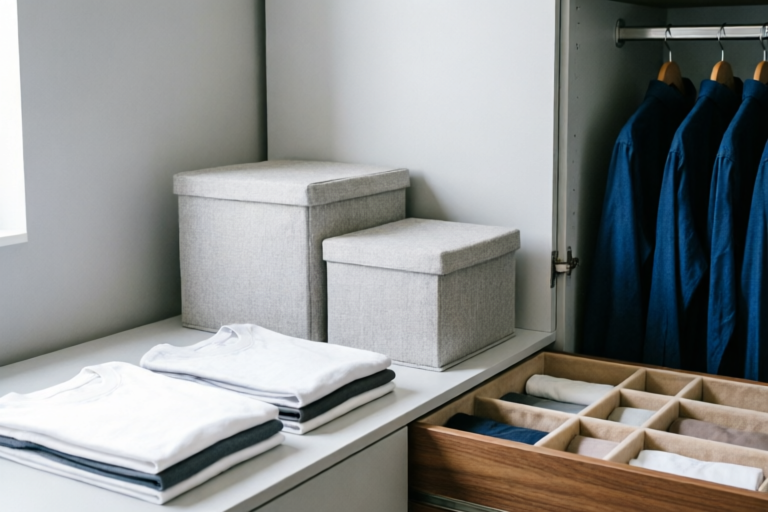
Step-by-Step Guide to Organizing Your Closet Efficiently
Efficient Closet, Happy Life
Step-by-Step Guide to Organizing Your Closet Efficiently
1. Introduction: Why Organizing Your Closet Matters
Organizing your closet is more than just arranging clothes; it's about creating a functional space that enhances your daily routine. A well-organized closet not only saves time but also reduces stress and promotes a sense of accomplishment.
- The benefits of a well-organized closet: From saving time in the morning to reducing clutter and stress, an organized closet can significantly improve your quality of life.
- Common challenges people face with disorganized closets: Many individuals struggle with limited space, too many clothes, and difficulty finding specific items. These challenges can lead to frustration and wasted time.
- Setting realistic goals for your closet organization project: It's important to set achievable objectives. For example, start by focusing on one section of your closet or tackle small tasks like sorting seasonal items.
2. Assessing Your Space and Needs
The first step in organizing your closet is understanding its current state and your storage needs.
- Taking inventory of all items in your closet: Go through every item, including clothes, shoes, accessories, and any other belongings. This will give you a clear picture of what you own and what needs to be addressed.
- Identifying the types of clothing and accessories you have: Categorize your items into groups such as tops, bottoms, outerwear, and accessories. This helps in determining the best way to store each type.
- Determining how much space is available and how it can be utilized efficiently: Measure your closet space and consider vertical and horizontal storage options. Utilize every inch effectively by installing shelves, rods, and hooks.
3. Decluttering: The First Step to Organization
Decluttering is crucial before you can truly organize your closet. Here’s how to get started:
- Sorting items into categories (keep, donate, discard): Be honest about what you wear and what you don't. Keep items that are frequently used or have sentimental value, donate those in good condition but no longer needed, and discard anything that is damaged or unusable.
- Tips for deciding what to keep or let go of: Consider how often you wear an item and its overall condition. If something hasn’t been worn in over a year, it might be time to part ways.
- How to properly dispose of unwanted items: Donate gently used clothes to local charities or thrift stores. For damaged items, consider recycling or upcycling them into new projects.
4. Implementing a Systematic Storage Solution
Once you've decluttered, it's time to implement a storage system that works for you.
- Choosing the right storage solutions (shelves, hangers, bins): Invest in high-quality organizers that fit your space. Consider adjustable shelving, multi-tiered hangers, and stackable bins.
- Arranging items by category or frequency of use: Group similar items together and arrange them based on how often you use them. For example, place everyday outfits at eye level and less frequently worn items higher up.
- Labeling containers and areas for easy identification: Use labels to clearly mark each section. This makes it easier to find what you need quickly and ensures everyone in the household knows where things belong.
5. Maintenance and Sustaining Order
Maintaining an organized closet requires consistent effort and adjustments as your needs change.
- Establishing routines for regular upkeep: Set aside time each week to tidy up your closet. This could include folding clothes neatly, putting away seasonal items, and ensuring everything has its proper place.
- Incorporating new items without disrupting order: When adding new clothes or accessories, make sure they fit within your existing system. If necessary, reassess your storage capacity and adjust accordingly.
- Adjusting your system as needed based on changing needs: As seasons change or your wardrobe evolves, revisit your organization strategy. Update labels, rearrange items, and ensure everything remains accessible and functional.
6. Conclusion: Enjoying the Benefits of a Neat Closet
By following these steps, you can transform your chaotic closet into a well-organized haven. Reflect on the positive changes brought about by organization—whether it's saving time in the morning or feeling more relaxed when dressing for the day.
- Reflecting on the positive changes brought about by organization: Take a moment to appreciate the difference a tidy closet makes. You'll likely notice improvements in your mood and productivity.
- Encouraging readers to maintain their newly organized space: Keep up the good work! Regular maintenance will ensure your closet stays neat and functional.
- Additional tips for keeping your closet tidy over time: Continue to review your wardrobe periodically, donate unused items, and embrace minimalism. By doing so, you'll maintain a clean and efficient closet that serves your needs.
Comments

Instead of bins, I used clear shoeboxes. They stack nicely and are easy to see through.

Maintenance is key. I've been keeping up with it and it's still neat after months.

Adding labels really helped me find things faster. Simple but effective!

I struggle with limited space. Any advice on making the most out of small closets?

Worked for me. My closet looks like a boutique now. Thanks!
Great tips! Just wondering, what's the best way to organize seasonal clothes?

This guide totally changed my life! I decluttered so much stuff and now everything has its place. Highly recommend!