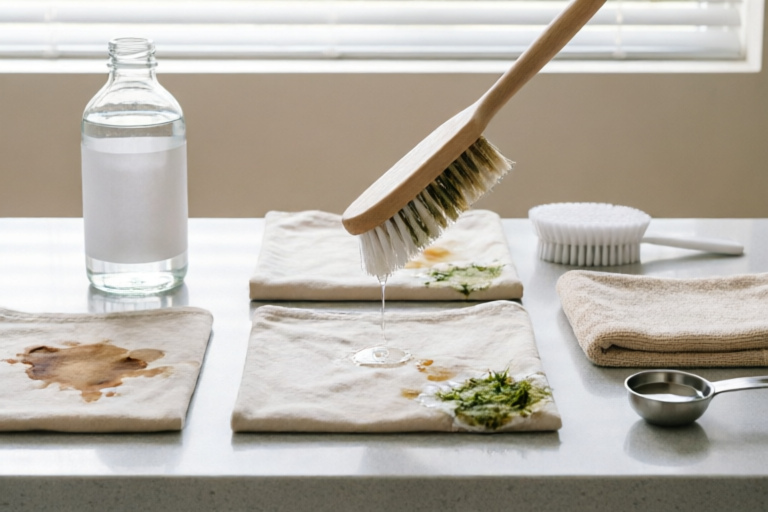
How to Remove Stubborn Stains from Clothing
Clean Clothes, Fresh Look
1. Introduction to Stubborn Stains
Understanding Common Types of Stubborn Stains
Stubborn stains are a common issue that can ruin even the most well-cared-for garments. Coffee, wine, grease, and blood are just a few examples of stains that can be difficult to remove. Each type of stain requires specific treatment methods to ensure effective removal.
Importance of Prompt Stain Removal
The sooner you address a stain, the better your chances of removing it completely. Delayed treatment can lead to permanent damage, reducing the lifespan of your clothing. Prompt action not only preserves the appearance but also the integrity of your favorite items.
Overview of the Step-by-Step Guide
This article provides a comprehensive guide on how to tackle various stubborn stains. From identifying the type of fabric and stain to using household products and advanced techniques, we cover everything you need to know to get your clothes back to their original condition.
2. Pre-Treatment Steps Before Washing
Identifying the Type of Fabric and Stain
Before applying any treatment, it's crucial to identify both the type of fabric and the nature of the stain. Different fabrics require different approaches, and treating them incorrectly can cause further damage. Always check the garment's care label for guidance.
Blotting vs. Rubbing
Blotting is generally preferred over rubbing, especially for liquid-based stains. Rubbing can spread the stain and push it deeper into the fibers, making it harder to remove. For grease and oil stains, however, gentle rubbing may be necessary to lift the stain from the fabric.
Applying Appropriate Pre-Treatments or Stain Removers
Depending on the type of stain, there are various pre-treatment options available. For example, hydrogen peroxide is effective for bloodstains, while dish soap works well for grease and oil. Always test any treatment on a small, inconspicuous area first to ensure it doesn't damage the fabric.
3. Effective Cleaning Methods for Various Stains
Specific Techniques for Removing Coffee, Tea, and Wine Stains
Coffee and tea stains can be challenging but are often manageable with a bit of patience. Apply a mixture of white vinegar and water directly to the stain, then blot gently. For wine stains, use salt to absorb the excess liquid before applying a mixture of hydrogen peroxide and dish soap.
Techniques for Tackling Grease, Oil, and Makeup Stains
Grease and oil stains require a bit more effort. Start by blotting the stain with a dry paper towel to remove as much of the substance as possible. Then, apply a mixture of dish soap and warm water, and gently rub the stain. For makeup stains, try using rubbing alcohol or a commercial makeup remover.
Special Methods for Protein-Based Stains Like Blood or Sweat
Protein-based stains, such as blood or sweat, can set quickly if left untreated. Apply hydrogen peroxide directly to the stain, then rinse with cold water. For tougher cases, consider using a commercial enzyme-based cleaner designed specifically for protein stains.
4. Using Household Products as Natural Stain Removers
Vinegar and Baking Soda Combinations
Vinegar is a versatile and effective natural cleaner. Combine it with baking soda to create a paste that can be applied to stubborn stains. Let it sit for several minutes before rinsing thoroughly. This combination works well for a variety of stains, including those caused by food and beverages.
Hydrogen Peroxide Applications
Hydrogen peroxide is an excellent choice for removing blood, sweat, and other protein-based stains. It's safe for most fabrics and can be used directly on the stain. For best results, apply the peroxide and let it sit for a few minutes before washing the garment as usual.
Salt and Detergent Solutions
Salt can help absorb excess liquid from stains, making it easier to clean. Sprinkle salt generously over the stain and let it sit for a few minutes before brushing it off. Follow up with a mixture of detergent and warm water to complete the cleaning process.
5. Advanced Techniques for Persistent Stains
Soaking Clothes in Cold Water Overnight
For persistent stains, soaking the garment in cold water overnight can sometimes do the trick. Cold water helps prevent setting the stain and allows it to loosen over time. Be sure to check the care label before soaking to avoid damaging the fabric.
Utilizing Commercial Enzyme-Based Detergents
Enzyme-based detergents are formulated to break down proteins and other organic materials, making them ideal for tough stains. These detergents are available at most grocery stores and can be used in conjunction with other cleaning methods for maximum effectiveness.
Professional Dry Cleaning Options for Severe Cases
If all else fails, professional dry cleaning may be necessary for particularly stubborn stains. Dry cleaners have specialized equipment and chemicals that can tackle even the toughest stains without damaging the fabric. It's always worth consulting a professional if you're unsure about the best course of action.
6. Preventing Future Stains and Maintaining Clean Clothes
Proper Care Instructions for Delicate Fabrics
To prevent future stains, follow the care instructions provided on each garment's label. Delicate fabrics may require special handling, such as hand washing or using gentle detergents. Avoid wearing these items when eating or drinking to minimize the risk of spills.
Tips for Stain-Proofing Your Wardrobe
Consider investing in stain-resistant treatments for frequently worn items. These treatments can help repel liquids and make it easier to remove stains when they do occur. Additionally, wearing aprons or protective clothing when working with food or hazardous substances can provide an extra layer of protection.
Regular Maintenance Practices to Keep Clothes Looking Their Best
Maintaining your wardrobe involves more than just removing stains. Regularly wash and dry your clothes according to the manufacturer's recommendations. Ironing and storing clothes properly can also extend their lifespan and keep them looking fresh.
7. Conclusion
Recap of Key Points
In this article, we've covered a range of methods for removing stubborn stains from clothing. From pre-treatment steps to advanced techniques, there are numerous ways to tackle common stains like coffee, wine, grease, and more. Remember, the key is to act quickly and choose the right method for the fabric and stain.
Encouragement to Experiment with Different Methods
Not every stain responds the same way to treatment, so don't be afraid to experiment until you find what works best for you. With a little trial and error, you'll become a pro at keeping your clothes clean and stain-free.
Final Advice on Seeking Professional Help
If you encounter particularly tough stains that resist all home remedies, it's time to consult a professional. Dry cleaners and laundry specialists have the expertise and tools to handle even the most stubborn stains without damaging your garments.
Comments

Can you recommend something for removing ink stains? This was great but didn't cover that.

Worked for me! Just wanted to say thanks.

I used the enzyme-based detergent for a really old stain and it worked wonders. No more yellowing!

Super helpful! I've been struggling with bloodstains forever. The hydrogen peroxide method did the trick.

Does anyone know if these methods also work on silk? I'm a bit worried about damaging it.

I tried the vinegar and baking soda trick for a tough red wine stain. Worked like magic!

This really helped! I soaked my shirt in cold water overnight for that grease stain and it came out almost completely. Thanks!