Cleaning & Organization
How to Deep Clean Carpet Stains Using Natural Solutions
Clean Floors, Green Home, Safe Family
# How to Deep Clean Carpet Stains Using Natural Solutions
## Introduction to Eco-Friendly Carpet Care
Carpeting provides warmth, comfort, and acoustic insulation to any living space, but it is also prone to collecting dirt, grime, and unsightly stains. Traditional commercial carpet shampoos and stain removers often contain harsh volatile organic compounds (VOCs), bleach, and synthetic fragrances. While these chemicals may offer quick results, they pose significant risks to indoor air quality and the health of inhabitants, particularly children and pets who spend considerable time on the floor.
Switching to eco-friendly carpet care is not just an environmental choice; it is a health imperative. Harsh chemicals can trigger respiratory issues, skin irritation, and allergic reactions. Furthermore, residues left by chemical-heavy products can attract soil faster than cleaned fibers, creating a cycle of constant re-cleaning. By adopting natural solutions, you create a safer ecosystem within your home without compromising on the efficacy of the cleanup.
### Safety and Preparation Before You Begin
Before diving into the cleaning process, proper preparation ensures the best results and prevents accidental damage to your flooring.
1. **Safety Gear:** Even though natural ingredients are generally safe, wearing gloves and a mask is advisable. It protects your hands from prolonged moisture and prevents inhaling any dust stirred up during agitation.
2. **Ventilation:** Always open windows or turn on ceiling fans during cleaning. Good airflow helps accelerate drying and prevents the growth of mold or mildew, which thrive in damp, stagnant conditions.
3. **Spot Testing:** Never apply a solution directly to a large area without testing. Apply a small amount of your chosen mixture to a hidden corner of the carpet (like inside a closet or under furniture). Wait until it dries completely to ensure no discoloration or fiber distortion occurs. This is crucial for wool carpets, which can be sensitive to acidity.
4. **Pre-Vacuuming:** Dirt acts as an abrasive tool. If you attempt to clean a dirty carpet without removing loose debris first, you risk grinding dirt deeper into the fibers. Use a high-quality vacuum cleaner to lift surface dust, hair, and particulate matter before applying any liquid solution.
## Essential Household Ingredients and Tools
One of the beauties of natural cleaning is accessibility. Most of the necessary components can be found in your pantry or laundry cupboard. Understanding the chemistry behind these ingredients allows you to customize recipes for specific problems.
### Core Cleaning Agents
#### White Distilled Vinegar
White vinegar is the cornerstone of eco-friendly cleaning due to its mild acetic acid content (typically 5%). This acidity helps break down mineral deposits, neutralize alkaline odors (like ammonia in urine), and dissolve certain sugars. Unlike harsh acids found in industrial drain cleaners, vinegar is biodegradable and safe for most surfaces.
#### Baking Soda (Sodium Bicarbonate)
Baking soda is a fantastic mechanical abrasive and odor neutralizer. It works by absorbing excess moisture and lifting dirt through friction when brushed into the carpet. Chemically, it balances pH levels, making it ideal for neutralizing acidic spills and deodorizing over time.
#### Castile Soap or Mild Dish Soap
Plant-based soaps like Castile soap are excellent surfactants. They lower the surface tension of water, allowing it to penetrate fibers and lift away oily or greasy substances more effectively. A few drops of mild dish soap mixed with water can cut through food grease without leaving the heavy chemical residue associated with brand-name detergents.
#### Hydrogen Peroxide (Use with Caution)
For stubborn organic stains, 3% hydrogen peroxide acts as a gentle bleaching agent. It oxidizes stain molecules, breaking them down into invisible particles. However, it should never be used on dark-colored carpets without extreme caution, as it may lighten the dye.
#### Lemon Juice
Rich in citric acid, lemon juice is another powerful solvent for tannin-based stains like coffee, tea, or wine. It adds a fresh scent and cuts through sticky residues, but like vinegar, it requires spot testing to avoid bleaching.
### Required Cleaning Tools
To achieve a deep clean rather than a superficial wipe-down, you need the right tools:
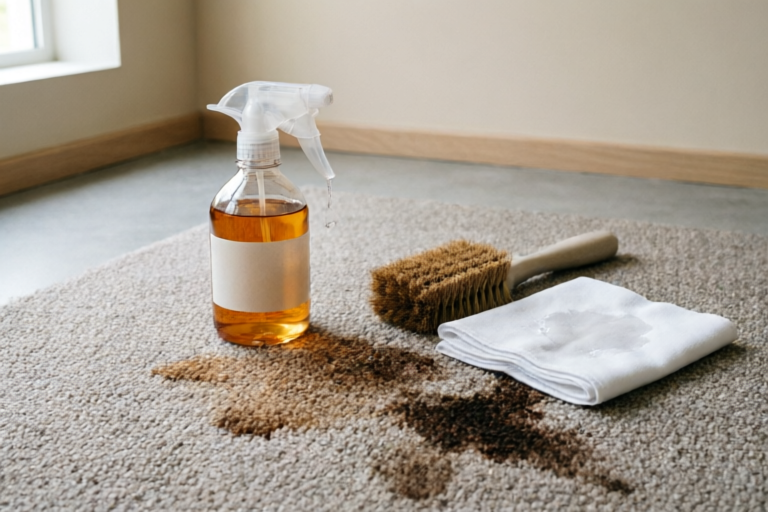
* **Clean White Cloths:** Avoid colored rags that might bleed dye onto the carpet. White cotton towels or microfiber cloths are absorbent and inert.
* **Spray Bottles:** Useful for distributing cleaning solutions evenly across the affected area.
* **Stiff Bristle Brush:** Ideal for agitating baked-in dirt after applying powder cleaners like baking soda.
* **Vacuum Cleaner:** Preferably one with a HEPA filter to capture allergens released during cleaning.
* **Bucket:** For mixing larger quantities of solution.
* **Absorbent Paper Towels:** For blotting up liquids quickly.
* **Fan or Dehumidifier:** Essential for rapid drying after wet cleaning.
## Step-by-Step Guide for Specific Stain Types
Different stains require tailored approaches because their chemical composition varies. A method that works for wine might fail on oil, and vice versa. Here is a targeted breakdown for the most common carpet emergencies.
### 1. Handling Fresh Liquid Spills (Wine, Juice, Water-Based Beverages)
**The Principle:** Immediate action is key. Liquid sits in the top layer of fibers; once it penetrates the padding, extraction becomes difficult.
**Method:**
1. **Blot, Don't Rub:** Immediately place dry paper towels or a clean cloth over the spill. Press down firmly to absorb as much liquid as possible. Rubbing pushes the stain deeper and frays the fibers.
2. **Prepare the Solution:** Mix 1 part distilled white vinegar with 2 parts cool water. Add a teaspoon of mild dish soap for extra cleaning power.
3. **Apply:** Lightly mist the solution onto the stain. Do not soak the carpet; the goal is dampening, not saturation.
4. **Agitate Gently:** Use a clean cloth to rub in circular motions from the outside edges inward to prevent spreading.
5. **Rinse:** Dampen a separate cloth with plain water and blot the area to remove any soap residue. Leftover soap attracts dirt later.
6. **Dry:** Cover with a dry towel and weigh it down with books to draw out moisture. Replace the towel if it becomes too wet.
### 2. Removing Pet Accidents (Urine and Vomit)
**The Principle:** Pet urine contains uric acid crystals that re-crystallize when they dry, causing persistent odors that reactivate when humidity rises. Standard cleaners mask the smell; natural enzymes break it down.
**Method:**
1. **Enzymatic Action:** If possible, purchase a natural enzyme-based pet stain remover. Alternatively, mix equal parts white vinegar and water, letting it sit for a moment.
2. **Absorption:** Blot the wet area thoroughly. If it has dried, re-moisten slightly to reactivate the crystals so they can be lifted.
3. **Baking Soda Paste:** Make a thick paste of baking soda and water. Spread it generously over the stain.
4. **Deodorize:** Allow the paste to dry completely. As it dries, it pulls the moisture and odor out of the carpet padding. Once dry, vacuum thoroughly.
5. **Hydrogen Peroxide Boost:** For older, set-in stains, a diluted 3% hydrogen peroxide solution (1 cup water, 1 tsp soap) can be applied after the initial vinegar step to oxidize remaining particles. Rinse well.
### 3. Eliminating Oil-Based Marks (Grease, Butter, Cosmetics)
**The Principle:** Oil repels water. To remove it, you need an emulsifier to break the bond between the oil and the fiber.
**Method:**
1. **Absorb Excess:** Use a spoon or scraper to lift any solid fat residue off the surface.
2. **Cornstarch Method:** Sprinkle cornstarch or baking soda liberally over the grease stain. Let it sit for at least 30 minutes (or overnight). The powder will absorb the oil.
3. **Brush and Vacuum:** Brush the powder into the fibers gently and vacuum it up.
4. **Degreasing Wash:** If a stain remains, mix warm water with a drop of clear dish soap (designed to cut grease). Use a sponge to dab the area. Wipe with a damp cloth to rinse.
5. **Repeat:** Oily stains can be stubborn. Repeat the absorption wash step until the mark fades.
### 4. Tackling Tannin Stains (Coffee, Tea, Red Wine)
**The Principle:** Tannins are pigmented plant compounds that bind tightly to fabric. Heat can set them permanently, so always use cool water.
**Method:**
1. **Cool Water Rinse:** Flush the area immediately with cool water. Hot water coagulates proteins and sets tannin dyes.
2. **Vinegar Solution:** Apply a mixture of equal parts white vinegar and cool water. Vinegar's acidity helps neutralize the pigment.
3. **Lemon Juice Option:** For lighter carpets, lemon juice can be rubbed in to provide a natural bleaching effect. Test first!
4. **Salt Scrub:** For red wine specifically, covering the fresh stain with table salt absorbs the liquid. Leave it, then vacuum and treat with vinegar.
5. **Hydration:** Keep the area moist for several minutes with the cleaning solution before blotting dry. Allow it to breathe.
### 5. Dealing with Mold or Mildew Smells
**The Principle:** Moisture leads to fungal growth. If your carpet smells damp, it may be harboring mold beneath the surface.
**Method:**
1. **Assess Severity:** If the mold extends into the padding, it may be impossible to save the carpet without professional extraction or replacement.
2. **Vinegar Spray:** White vinegar kills many species of mold. Spray it lightly over the affected area and let it sit for an hour.
3. **Sunlight:** If possible, move furniture and allow sunlight to hit the damp area. UV rays help kill spores.
4. **Baking Soda Powder:** Dust baking soda heavily to absorb lingering moisture and odors, then vacuum once dry.
## Aftercare and Future Prevention Tips
Cleaning the stain is only half the battle. How you manage the aftermath determines the longevity of your carpet and whether the issue recurs.
### Proper Drying Techniques to Prevent Mold
Mold and bacteria thrive in damp environments. Leaving a carpet wet for more than 24 hours creates a breeding ground for microbes, which can negate all your cleaning efforts.
* **Airflow:** Position box fans or ceiling fans directly toward the cleaned area. Cross-ventilation is ideal—open windows on opposite sides of the room to create a draft.
* **Low Humidity:** Run a dehumidifier in the room if possible, especially in humid climates. Aim for a relative humidity level below 50% in your home.
* **Elevate Furniture:** Place aluminum foil or plastic tabs under the legs of sofas and chairs placed back on the carpet. This prevents direct contact with slightly damp fibers and stops rust marks or indentations.
* **Timing:** Expect carpets to take 6 to 12 hours to dry depending on the thickness and climate. Do not walk on the carpet until it is bone-dry to avoid tracking dirt or crushing pile.
### Maintenance Advice for Long-Term Stain-Free Carpets
Prevention is easier than cure. Establishing a routine maintenance schedule keeps carpets healthy between deep cleans.
1. **High-Traffic Rotation:** Rotate area rugs every few months to distribute wear. Change the direction of foot traffic patterns periodically to ensure even aging of the pile.
2. **No-Shoe Policy:** The majority of carpet dirt comes from outdoor footwear. Encourage residents and guests to leave shoes at the door. This simple habit drastically reduces the need for shampooing.
3. **Regular Vacuuming:** Vacuum high-traffic areas twice a week and the whole house at least once weekly. This removes grit that wears down fibers and makes them look dull.
4. **Immediate Spot Response:** Keep a "cleaning kit" in a drawer containing cloths, vinegar, and dish soap. Train household members to address spills within minutes rather than letting them set.
5. **Protective Measures:** Use a carpet protector spray made of natural ingredients to seal fibers against liquid absorption. Reapply every six months according to manufacturer guidelines.
6. **Deep Cleaning Schedule:** Even with great care, carpets accumulate microscopic soil. Rent a steam cleaner or hire a service annually (spring/fall transition times are ideal) to reset the cleanliness level of your floors.
### Troubleshooting Common Issues
Sometimes natural remedies need extra help. Here are solutions to common hurdles:
* **Residue Build-up:** If your carpet feels sticky after cleaning, you likely didn't rinse enough. Use a steam vacuum (extractor) filled with plain water to pull out soap residue.
* **Color Fading:** If colors look dull, it might be chemical buildup or sun exposure. Reduce frequency of vinegar use on dyed carpets and rotate furniture facing the light source regularly.
* **Persistent Odors:** If vinegar smell lingers, it will dissipate as it dries (usually within 2 hours). If the underlying odor returns, the source (e.g., dead rodent, deep pet urine) may need extraction beyond surface cleaning.
### Conclusion
Transitioning to natural carpet cleaning solutions empowers you to maintain a pristine home without toxic trade-offs. The combination of white vinegar, baking soda, and proper technique offers a robust defense against the daily challenges of household life.
By understanding the nature of different stains and respecting the delicate structure of carpet fibers, you can restore your floors' beauty safely. Remember, the foundation of good carpet care lies in immediate action, consistent vacuuming, and ensuring rapid drying. Your family’s lungs will thank you, and your floors will last longer.
Start your journey to a healthier home today by swapping out those chemical-laden bottles for simple kitchen staples. Clean carpets aren't just about aesthetics—they are about creating a sanctuary where every breath is pure and safe. Embrace the green revolution in your home care routine, one stain-free rug at a time.
Comments

ActiveHome
anyone know how long to wait before walking on it again ? left mine out for 2 hours today
👍 15👎 0

DarkFloorFear
be careful with dark carpets tho ! tested in corner first ngl scared for 5 mins but color looks good.
👍 2👎 0
EcoSaver
finally an eco friendly way that actually works without spending $50 on harsh chemicals.
👍 12👎 0

LazyCleaner
tbh baking soda leaves little clumps under furniture unless u vacuum good lol make sure to check
👍 9👎 0
PetMama
does this actually get rid of cat pee smell though? vinegar smells strong but not sure if it's enough.
👍 21👎 0
NewbieRug
quick q : can i use apple cider vinegar or just white ? worried about yellow spots on light rugs
👍 15👎 0

CarrotCake99
holy cow this worked on my kids wine spill the smell faded fast once dry!!
👍 24👎 0