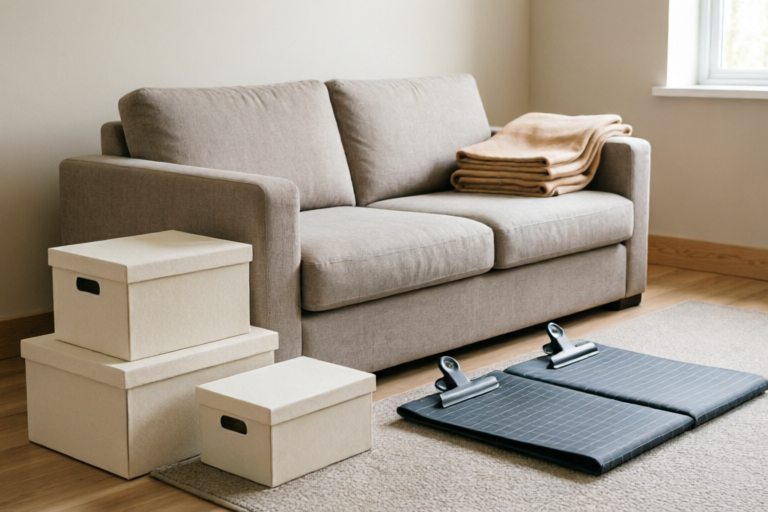
Step-by-Step Guide to Organizing Your Living Room
Effortless Elegance in Every Corner
Step-by-Step Guide to Organizing Your Living Room
Introduction
The living room is often the heart of the home, serving as a gathering place for family and friends. Proper organization not only enhances its aesthetic appeal but also improves functionality and comfort. This step-by-step guide will walk you through the process of organizing your living room, ensuring it remains both inviting and practical.
In this guide, we'll cover everything from assessing your space and needs to implementing storage solutions and adding personal touches. Let's get started!
1. Assess Your Space and Needs
Evaluate the Current Layout and Functionality: Begin by taking a close look at your living room’s current layout. Identify any areas where the flow is disrupted or where furniture feels out of place. Consider whether the room serves its intended purpose effectively.
Identify Areas That Need Improvement or Decluttering: Look for signs of clutter—whether it's piles of magazines, random knick-knacks, or unused furniture. Make a mental note of these areas so you can address them later.
Consider How You Use the Space and What Items Are Essential: Think about how you and your family use the living room. Do you watch TV, read, entertain guests, or do all of the above? Knowing this will help you determine which items are necessary and which can be removed.
2. Create a Decluttering Plan
Define What 'Clutter' Means in Your Living Room Context: Clutter can mean different things to different people. For some, it might be stacks of books; for others, it could be excess electronics. Clearly define what constitutes clutter in your space.
Sort Items Into Categories (Keep, Donate, Throw Away): Once you've identified the clutter, sort through each item. Keep only those that are truly essential or bring joy. Donate items that are still useful but no longer fit your needs. Finally, discard anything that's broken or beyond repair.
Implement a System for Maintaining Minimalism Moving Forward: To prevent future clutter, establish a routine for regular decluttering. Set aside time each week or month to reassess the space and remove any new items that no longer serve a purpose.
3. Plan Furniture Arrangement
Understand Basic Principles of Furniture Placement for Functionality and Aesthetics: When arranging furniture, consider both functionality and aesthetics. Ensure that seating arrangements encourage conversation and that there is enough space for movement. Additionally, think about how the furniture complements the room’s overall design.
Experiment With Different Layouts Using Floor Plans or Mock-Ups: Before making any permanent changes, experiment with different layouts. You can use online tools to create virtual floor plans or simply move around furniture within the room. This will help you visualize how each arrangement looks and feels.
Ensure Traffic Flow Is Efficient and Comfortable: The final layout should allow for easy movement throughout the room. Avoid placing furniture too close together, and ensure there are clear pathways between seating areas and other focal points.
4. Implement Storage Solutions
Explore Various Storage Options Such as Shelves, Baskets, and Ottomans: There are numerous ways to incorporate storage into your living room. Shelves can be used for books, decorative items, or even plants. Baskets provide a stylish way to store blankets, pillows, or toys. Ottomans offer both seating and hidden storage.
Choose Storage Solutions Based on Your Needs and Style Preferences: When selecting storage solutions, consider both functionality and appearance. Opt for pieces that match your existing decor while meeting your storage needs.
Install or Organize These Solutions to Maximize Space Efficiency: Once you've chosen your storage options, install them strategically. For example, place shelves at eye level for easy access to frequently used items. Use baskets to corral smaller objects like remotes or magazines.
5. Add Personal Touches and Decor
Select Decor Elements That Enhance the Room's Atmosphere Without Overwhelming It: Decorative elements like artwork, rugs, and lighting can add warmth and personality to your living room. Choose pieces that complement your existing decor without overcrowding the space.
Incorporate Personal Items Like Photos or Art Pieces Thoughtfully: Display personal items such as family photos or favorite pieces of art. Arrange these items in a way that tells a story and reflects your personality.
Balance Color Schemes and Textures for a Cohesive Look: Pay attention to the colors and textures in your living room. Use a color palette that ties everything together and adds depth. Mix soft fabrics with harder surfaces to create visual interest.
Conclusion
In conclusion, organizing your living room involves more than just tidying up—it requires thoughtful planning and consideration of both functionality and aesthetics. By following these steps, you can create a space that is both welcoming and efficient.
To maintain your newly organized living room, continue to reassess and adjust as needed. Regular maintenance will keep the space fresh and functional. We invite you to share your own tips or experiences in organizing your living room in the comments below!
Comments

Super helpful! My living room looks and feels amazing now. Will definitely keep up with maintenance.

Does anyone have tips for small living rooms? The traffic flow part was really helpful but I'm still struggling with space.
Worked for me. Keeping it minimal is key.

Adding personal touches made all the difference. My living room feels cozy now. Thanks!
The storage solutions part was super useful. I never knew ottomans could double as storage!

Love the idea of using mock-ups before rearranging. Any suggestions for easy DIY mock-ups?

I followed the decluttering plan and got rid of so many things I didn't even know I had. Feels great!

This really helped! I rearranged my living room and now it feels so much more open. The furniture plan step was game-changing.