Home & Living
How to remove stubborn wine stains from white carpet fast
Restore Brightness, Eliminate Stains Effortlessly
How to Remove Stubborn Wine Stains from White Carpet Fast
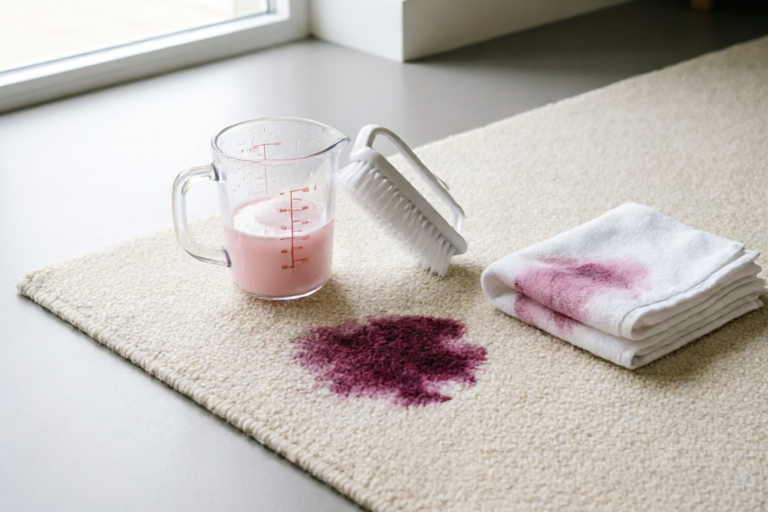
Finding a deep purple splash of red wine across your pristine white carpet can send anyone into a spiral of panic. White carpets represent elegance, cleanliness, and luxury, but they are also notoriously unforgiving when it comes to accidents. Unlike darker hues that can camouflage spills, a drop of Cabernet Sauvignon on a cream-colored rug announces itself loudly and demands immediate attention. The good news is that with the right approach, patience, and household tools, you can effectively restore your carpet to its original glory. This comprehensive guide will walk you through every critical step required to tackle even the most persistent wine stains without damaging delicate fibers or causing discoloration.
1. Immediate Assessment and Supply Gathering
When wine hits your floor, time is your greatest ally. However, rushing in blindfolded with the first rag you see can actually set the stain deeper or spread it wider. The first phase of successful removal isn’t scrubbing; it is preparation and assessment. Before you touch the wet fabric, take a moment to gather the correct tools and evaluate the situation objectively.Gathering the Necessary Arsenal
To execute a professional-level clean, you need specific items readily available in most households or hardware stores. Do not rely on guesswork. First, acquire plenty of white paper towels or white microfiber cloths. Why white? Colored rags can transfer dyes onto your white carpet, creating a secondary staining issue that complicates the problem. Blue or green rags are dangerous on white surfaces. Next, secure a source of white distilled vinegar. While apple cider vinegar exists, its acidity level and color vary, whereas distilled white vinegar provides a consistent, mild acidic solution ideal for breaking down organic compounds like wine. Additionally, obtain a mild liquid dish soap. This should be non-bleach and free of heavy moisturizers or lotions, which can leave a greasy residue attracting dirt later. A small bowl for mixing solutions and a measuring cup or syringe for precise application are highly recommended. Finally, prepare a spray bottle filled with cool water. Cool water is crucial because hot water can cook proteins in the wine and set the stain permanently into the carpet fiber. Having a blunt-edged spoon handy is also wise; it can help lift solid debris without scratching the backing.Evaluating the Situation
Once your supplies are lined up, assess the extent of the spill. Is it a fresh puddle or a dried, hardened crust? Fresh spills are significantly easier to manage. If the wine has soaked deep into the padding beneath the carpet, you may need to adjust your expectations and technique. Inspect the carpet label for cleaning codes. Codes such as "W" indicate water-based cleaners are safe, while "S" means only solvent-based cleaners should be used. Ignoring these codes can lead to severe damage like shrinking or melting synthetic fibers. Understanding whether your carpet is wool, nylon, polyester, or a blend informs the aggressiveness of your cleaning agents. Wool, for instance, requires gentler handling than durable nylon. Finally, perform a colorfastness test. Even though the carpet is white, different dye batches or treatments might react differently to acids. Apply a tiny drop of your chosen cleaning solution to a hidden corner of the room. Wait ten minutes and blot dry. If there is no fading or texture change, you are cleared to proceed. If you see reaction, discontinue use immediately and switch to a milder method or consult a professional.2. Blotting Techniques to Absorb Excess Liquid
The second critical step is removing the bulk of the liquid. Most people instinctively grab a sponge or cloth and begin rubbing back and forth. This is the cardinal sin of stain removal. Rubbing forces the liquid deeper into the pile, pushing the pigmented tannins toward the backing where they are nearly impossible to extract. It also damages the carpet fibers, fraying them and making the area look fuzzy and thin over time. Instead, your goal is absorption through gentle, vertical pressure.The Art of the Blot
Begin by covering the stained area with several layers of dry white paper towels. Press down firmly with the palm of your hand. The pressure should be enough to force the paper into the weave but gentle enough not to tear the material. Lift the towel and inspect it. If it is saturated, replace it with a fresh layer. Repeat this process until the paper towels come away mostly dry or with only minimal pink tinting. This mechanical removal process physically lifts the wine out rather than chemically dissolving it initially. If you have a large spill, you can roll the paper towels into a log shape and press along the edges of the stain first. This creates a barrier preventing the wine from wicking outward via capillary action. Move inward toward the center once the perimeter is secured. For larger areas, using a vacuum cleaner with a suction-only setting (no brush bar) can help pull moisture from deep within the carpet after the initial blotting phase. Be careful not to let the vacuum bag fill with wet liquid too quickly, as this can damage the machine.Avoiding Common Pitfalls
During the blotting phase, watch out for two common mistakes. First, never use heat. Avoid using steam cleaners or hairdryers at this stage. Heat bonds the pigments to the fiber. Second, avoid excessive water. While we want to absorb the wine, flooding the carpet before applying a solution can saturate the cushion, leading to mold growth or delamination of the backing. Only apply additional liquid once the surface excess has been fully removed. Patience is essential here; trying to rush the blotting process results in missed pockets of wine that dry and become permanent ghost stains.3. Natural Cleaning Solution Application
After the majority of the liquid is removed, chemical intervention becomes necessary to dissolve the remaining pigment molecules clinging to the fibers. This is where nature’s chemistry comes to the rescue. The combination of water, white vinegar, and mild dish soap forms a powerful trio capable of tackling wine without resorting to harsh industrial chemicals that might fade white fabrics over years of use.The Science Behind the Solution
The homemade mixture relies on a simple chemical reaction. Vinegar contains acetic acid, which neutralizes the alkaline properties of some carpet residues and helps break down the bond between the tannin pigment and the fiber. Dish soap acts as a surfactant, lowering the surface tension of water so it can penetrate deep into the carpet pile and encapsulate oily residues. Water serves as the carrier agent. This combination is pH-balanced enough to be safe for most synthetic fibers but strong enough to lift stubborn organic matter. To prepare the solution, mix equal parts of cool water and distilled white vinegar in a spray bottle or a small bowl. For approximately four cups of total liquid, add a teaspoon of mild dish soap. Stir gently to create suds without creating too many bubbles, which can be difficult to rinse out. Do not shake vigorously, as foam can interfere with application. Test this mixture on your spot-test area again to ensure safety.Applying the Mixture Correctly
Spray the solution lightly over the stained area. The goal is dampening, not soaking. Ideally, the carpet should feel moist but not dripping. Allow the solution to dwell on the stain for five to ten minutes. This dwell time is crucial. It gives the acid and surfactants time to work on the molecular level, loosening the pigment from the fibers. After the waiting period, take a clean, white microfiber cloth and gently dab the area again. Start from the outside edge of the stain working inward to prevent ring formation. As you blot, you will likely see the color transferring onto the cloth. Replace the cloth frequently to avoid redepositing the wine. If the stain persists, repeat the application process. Sometimes one round is insufficient for older spills. Do not rush this step. Allow the carpet to air dry completely between applications to judge progress. If the stain lightens significantly, continue the cycle until the discoloration is minimal or gone entirely.4. Targeted Treatment for Stubborn Residue
Despite following the previous steps, some wine stains may linger as faint outlines or ghost marks. These are often caused by deep penetration into the yarn core or oxidization of the pigment. At this stage, you require a targeted treatment designed to break down the remaining discoloration without damaging the fabric. For stubborn cases, stronger oxidizing agents are the next logical step, though caution is paramount.Using Hydrogen Peroxide Safely
Hydrogen peroxide is a widely available household item known for its bleaching and disinfecting properties. It is particularly effective on white fabrics because it oxidizes organic stains, turning them colorless. However, because it acts as a mild bleach, it must be used with precision. Ensure you use the standard 3% concentration found in medicine cabinets. Higher concentrations can strip the color from white carpets too aggressively or weaken the fibers. Mix one tablespoon of hydrogen peroxide with half a tablespoon of dish soap. Apply this mixture specifically to the stained area using a sponge or dropper. Do not pour it directly from the bottle. Let it bubble and fizz for a few minutes. This bubbling indicates the oxidation process is taking place. Afterward, blot vigorously with warm water-dampened towels to remove the peroxide residue. Leaving peroxide on the carpet too long can yellow white fibers over time, so rinsing is critical.Oxygen Bleach Alternatives
If hydrogen peroxide proves too risky or ineffective, oxygen bleach (also known as sodium percarbonate) is a viable alternative. Unlike chlorine bleach, which can destroy fabric integrity and cause yellowing, oxygen bleach releases active oxygen to break down stains. Mix the powder with cool water according to package instructions until it forms a paste. Apply the paste to the stain using a soft-bristled toothbrush or a clean cloth. Gently agitate the fibers to work the cleaner in. Allow it to sit until it dries completely. Once dry, vacuum the residue away and spot-treat any remaining visible marks with your vinegar-water mixture. This method is slower but generally safer for delicate natural fibers like wool compared to aggressive solvents.Caution on Commercial Solvents
While commercial carpet stain removers exist, be cautious with products containing ammonia or strong solvents like acetone. These can react unpredictably with certain carpet dyes or backing adhesives. Always read the label to ensure compatibility with your specific carpet type. If you are unsure, stick to the natural methods or contact a certified carpet cleaning service. Remember, the goal is preservation, not destruction. A slight hesitation with chemicals is better than irreversible damage.5. Rinsing, Drying, and Future Prevention
Once the wine is visibly gone, the work is not yet finished. Residual cleaning agents can attract dirt or cause sticky spots if left behind. Furthermore, improper drying can introduce health hazards like mold and mildew. Proper finishing ensures your carpet remains hygienic and bright for years to come.Thorough Rinsing Procedures
After treating the stain with vinegar, soap, or peroxide, it is essential to rinse the area. Use a spray bottle filled with clean, cool water to flush out any remaining chemicals. Blot with dry towels repeatedly to absorb the rinse water. Think of this as washing dishes: you want the soap gone, leaving only clean water to evaporate. Failure to rinse can result in a residue that attracts dust, causing the spot to reappear as a dingy patch over time. Continue rinsing and blotting until the water runs clear and no suds are present on the towel.Drying for Safety and Comfort
Moisture management is vital after cleaning. Wet carpet fibers are prone to rotting and harboring bacteria. Speed up the drying process by increasing airflow. Open windows to circulate fresh air, or use fans directed at the cleaned spot. Dehumidifiers in the room can also accelerate evaporation significantly. Avoid walking on the damp area until it is completely dry to prevent footprints or re-contamination. Depending on humidity levels, this could take anywhere from four to twelve hours. Never attempt to seal the carpet or lay furniture on it until fully dry, as trapped moisture will lead to odor issues.Maintenance and Prevention Strategies
To keep white carpets looking pristine long-term, implement preventive measures. Consider applying a carpet protector product such as Scotchgard immediately after cleaning. This creates an invisible shield that causes liquids to bead up rather than soak in, giving you more time to address future spills. Regular vacuuming removes abrasive dirt particles that degrade fibers and dull the color. If you entertain guests frequently, consider placing washable runners or mats in high-traffic zones. Educating family members and visitors to treat your floors with care goes a long way toward maintaining the investment in your home decor. Finally, establish a routine inspection schedule. Check your white carpets monthly for any early signs of wear or potential staining. Addressing minor issues quickly prevents them from becoming major headaches. Remember, white carpets are not meant to remain white forever, but with diligent care, they can stay beautiful for decades. Whether dealing with a wine accident, pet mess, or general grime, the principles of speed, gentleness, and proper chemistry apply universally. By mastering these techniques, you transform yourself from a victim of accidents into a master of maintenance, keeping your living space radiant and inviting. In conclusion, removing wine from a white carpet is a balancing act between aggression and delicacy. Follow the structured approach outlined above: Assess, Blot, Treat, Rinse, and Prevent. With the right tools and patience, you can reclaim your white carpet without regret. Stay calm, act fast, and trust the process to bring your floor back to life.Comments

StainSlayer
Pro tip: put paper towels under the stain too while blotting top side. Stops it seeping through.
👍 5👎 0

SimpleSteve
Worked for me.
👍 10👎 0

ThriftyMom
Super helpful. Thanks for explaining the peroxide part carefully, scared of messing up colors.
👍 18👎 0

RedWineRegret
Wish I read this sooner. Still got a tiny spot but nothing compared to yesterday.
👍 7👎 0
HomeFixPro
Added extra salt during the blotting phase, made a huge difference. Good guide.
👍 27👎 0

Confused_Carpet
Do I need to rinse it with cold water specifically or is tap ok?
👍 3👎 0

RugRanger
Seriously saved my day. Step 3 broke the stain down way faster than I expected.
👍 23👎 0