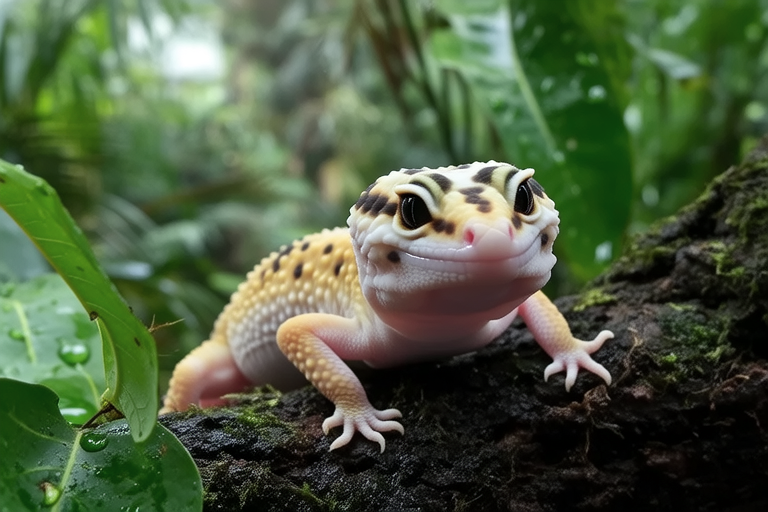
The Ultimate Chameleon Care Checklist for First-Timers
Introduction
Welcome to your comprehensive guide on chameleon care! This checklist is designed specifically for first-time pet parents who are eager to provide the best care for their new chameleon. By following this guide, you will ensure that your chameleon lives a healthy and happy life. Let’s dive into the essentials of chameleon care.
Habitat Setup
Enclosure Size
Your chameleon needs ample space to move around and climb. A minimum enclosure size for a single adult chameleon is 4 feet wide by 4 feet deep by 6 feet tall. Larger enclosures are always better, especially if you plan to house more than one chameleon or want to provide additional climbing structures.
Lighting
Proper lighting is crucial for your chameleon’s health. You’ll need UVB lighting to help them synthesize vitamin D3, which is essential for calcium absorption. Use a high-quality UVB bulb that covers at least 70% of the enclosure. Replace the bulb every six months as UVB output diminishes over time. Additionally, provide a basking spot with a heat lamp that maintains a temperature of about 95-100°F (35-38°C).
Temperature
Maintaining the correct temperature gradient within the enclosure is vital. The basking area should be around 95-100°F (35-38°C), while the cooler side can range from 75-85°F (24-29°C). Use thermometers placed at various points inside the enclosure to monitor temperatures accurately. Ensure there’s no direct sunlight on the enclosure, as it can cause overheating.
Humidity
Chameleons require moderate humidity levels, typically between 40-70%. Achieve this by misting the enclosure several times daily and providing a water drip system. Install a hygrometer to measure humidity accurately. Avoid excessive moisture, which can lead to respiratory issues.
Diet and Feeding Habits
Chameleons are insectivores, meaning their diet consists mainly of insects. Feed your chameleon a variety of gut-loaded insects such as crickets, dubia roaches, waxworms, and silkworms. Dust these insects with a calcium supplement daily and a multivitamin supplement twice a week.
Feeding Schedule
Feed juvenile chameleons daily, while adults can be fed every other day. Offer as many insects as your chameleon will consume in 10-15 minutes. Remove any uneaten insects after feeding to prevent stress or injury to your chameleon.
Health Considerations
Signs of Good Health
A healthy chameleon is active, alert, and has clear eyes, bright colors, and a robust appetite. Regularly check for signs of illness such as lethargy, weight loss, cloudy eyes, or abnormal coloration.
Veterinary Care
Visit an exotic animal veterinarian annually for routine check-ups. They can provide vaccinations, perform fecal exams, and address any health concerns early on. Always quarantine new chameleons before introducing them to your existing pets to prevent the spread of diseases.
Handling Tips
Minimizing Stress
Chameleons are easily stressed by handling, so limit it to necessary occasions only. When handling, support the entire body gently and avoid restraining or picking up your chameleon by its tail. Always wash your hands before and after handling to prevent the transfer of bacteria.
Common Mistakes to Avoid
Inadequate Enclosure Size
Many beginners make the mistake of housing their chameleon in too small an enclosure. Ensure the enclosure provides enough vertical space for climbing and horizontal space for movement.
Improper Lighting
Not providing adequate UVB lighting or failing to replace bulbs regularly can lead to metabolic bone disease. Always use high-quality UVB bulbs and replace them every six months.
Incorrect Temperature and Humidity Levels
Maintaining the right temperature and humidity levels is crucial for your chameleon’s well-being. Use thermometers and hygrometers to monitor these conditions accurately and adjust accordingly.
Overfeeding
Overfeeding can lead to obesity and related health issues. Stick to the recommended feeding schedule and remove uneaten insects promptly.
Conclusion
Caring for a chameleon requires dedication and attention to detail. By following this comprehensive checklist, you can create a suitable environment, maintain proper diet and health, and avoid common pitfalls. Remember, a well-cared-for chameleon can live a long and healthy life. Enjoy the rewarding experience of being a responsible chameleon owner!
