Clownfish in Captivity: Tips for First-Time Fish Owners
Introduction
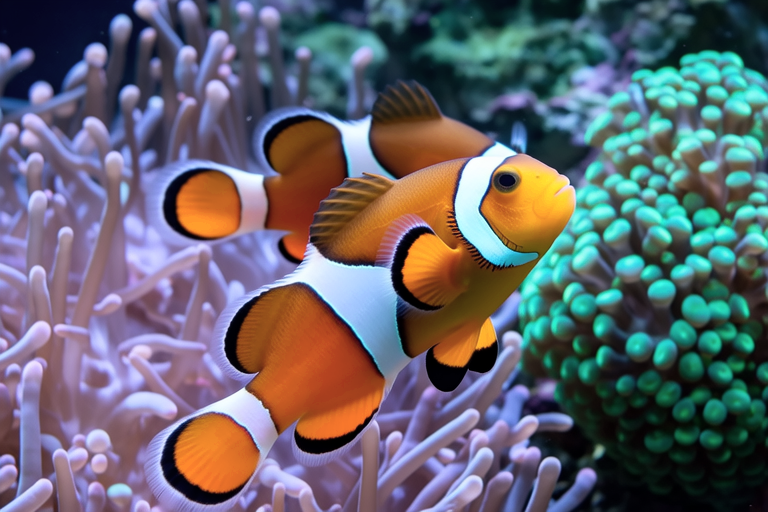
Clownfish have captured the hearts of aquarium enthusiasts worldwide, largely due to their vibrant colors and fascinating behavior. Their popularity soared after the release of the animated film “Finding Nemo,” which showcased these fish as charismatic and adventurous characters. The movie’s success brought clownfish into the spotlight, making them one of the most sought-after species in home aquariums. Their striking orange bodies with white stripes make them visually appealing, while their compatibility with anemones has piqued the curiosity of many aquarists.
For first-time fish owners, the idea of keeping clownfish can be both exciting and daunting. This guide aims to provide you with essential information on setting up your aquarium, maintaining water quality, and ensuring the well-being of your clownfish. By following these tips, you can create a thriving environment that supports the health and happiness of your new aquatic companions.
Essential Tank Setup Requirements
Setting up a suitable tank is crucial for the health and longevity of your clownfish. A minimum tank size of 30 gallons is recommended to provide ample space for swimming and exploration. Clownfish are active swimmers, so a larger tank will allow them to exhibit natural behaviors more comfortably.
The tank should be equipped with a reliable filtration system to maintain water quality. Choose a filter that matches the tank size and provides mechanical, chemical, and biological filtration. Mechanical filtration removes debris and uneaten food, chemical filtration helps in removing toxins, and biological filtration supports beneficial bacteria that break down harmful substances.
In addition to a filtration system, consider adding live rock and sand to your tank. Live rock provides hiding spots and promotes the growth of beneficial bacteria, while sand mimics the natural habitat of clownfish found in coral reefs. Decorations such as caves and driftwood can also enhance the aesthetic appeal of your tank and offer additional shelter for your fish.
Water Parameters
Maintaining optimal water conditions is vital for the health of your clownfish. Start by ensuring a stable pH level between 8.1 and 8.4, as clownfish thrive in slightly alkaline water. Regularly test the pH using a reliable test kit and adjust it if necessary using appropriate chemicals or by changing some of the water.
Aim for a temperature range of 76°F to 82°F (24°C to 28°C). Use a heater to maintain this temperature consistently, as fluctuations can stress your fish. Additionally, keep the salinity at around 1.020 to 1.025 specific gravity, which simulates the marine environment they are accustomed to.
Regular water changes are essential to prevent the buildup of toxins and maintain water clarity. Perform partial water changes of about 10% to 20% every week to ensure a clean and healthy environment for your clownfish.
Suitable Tank Mates
Choosing compatible tank mates is important for the well-being of your clownfish. Clownfish generally get along well with other peaceful marine fish, but it’s essential to avoid aggressive species that may bully or harm them. Some suitable tank mates include small wrasses, blennies, and cardinalfish. It’s advisable to introduce any new fish gradually and monitor their interactions closely.
Clownfish can sometimes be territorial, especially when they are paired with an anemone. If you plan to add an anemone to your tank, choose one that is compatible with clownfish, such as the bubble tip anemone. However, not all clownfish species require an anemone, and some may not even recognize it as a potential host. Always research the specific needs of the clownfish species you intend to keep before introducing an anemone.
Tips on Feeding
Feeding your clownfish a balanced diet is key to their health and vitality. A varied diet consisting of high-quality flake food, pellets, and frozen or live foods is ideal. Flake food provides essential nutrients, while pellets offer a more substantial meal. Frozen or live foods such as brine shrimp, mysis shrimp, and bloodworms can be offered as occasional treats to stimulate appetite and provide additional nutrition.
Feed your clownfish twice daily, offering only what they can consume within a few minutes. Overfeeding can lead to poor water quality and health issues. Monitor their eating habits and adjust the quantity accordingly. Clownfish are opportunistic feeders and may eat more during certain times of the day, so it’s important to observe their behavior and adapt your feeding schedule.
Maintaining Water Quality
Water quality directly impacts the health of your clownfish. Besides regular water changes, ensure proper circulation and aeration in the tank. A powerhead or air pump can help maintain oxygen levels and promote water movement, preventing dead zones where toxins can accumulate.
Monitor ammonia, nitrite, and nitrate levels regularly using test kits. Ammonia and nitrite should be undetectable, while nitrate levels should be kept below 20 ppm. High levels of these compounds can cause stress and disease in fish. If you notice elevated levels, perform more frequent water changes or improve your filtration system.
Additionally, consider using activated carbon in your filter media to absorb impurities and maintain water clarity. Carbon can help remove medications, dyes, and other organic compounds that might affect water quality.
Common Health Issues
Like any living creature, clownfish can face various health challenges. One common issue is ich, a parasitic infection characterized by white spots on the fish’s body. Ich can be treated with over-the-counter medications, but prevention is always better than cure. Maintaining good water quality and avoiding sudden temperature changes can help prevent ich outbreaks.
Fungal infections can occur if there are open wounds or injuries on the fish. These infections typically appear as cotton-like growths on the affected areas. Antifungal treatments are available to combat fungal infections, but addressing the underlying cause, such as poor water quality or aggressive tank mates, is crucial.
Another concern is swim bladder disorder, which affects the fish’s ability to control buoyancy. This condition can be caused by overfeeding or internal parasites. Adjusting the feeding schedule and providing a more nutritious diet can help alleviate swim bladder issues. In severe cases, consulting a veterinarian specializing in aquatic animals may be necessary.
Observing Behavioral Patterns
Regularly observing your clownfish’s behavior is essential for identifying any signs of distress or illness. Healthy clownfish are active, curious, and display vibrant colors. They should be swimming freely, exploring their environment, and interacting with their tank mates positively.
If you notice changes in behavior, such as lethargy, loss of appetite, or abnormal swimming patterns, investigate the possible causes. Check water parameters, review feeding habits, and inspect the tank for potential stressors. Addressing these issues promptly can prevent minor problems from escalating into serious health concerns.
Clownfish often form pairs or groups, and watching their social dynamics can be both entertaining and educational. Observe how they interact with each other and their surroundings, noting any signs of aggression or discomfort. Understanding their behavior will help you provide the best care and ensure a harmonious tank environment.
Conclusion
Raising clownfish in captivity can be a rewarding experience for first-time fish owners. By setting up a suitable tank, maintaining optimal water conditions, and choosing compatible tank mates, you can create a thriving environment for your clownfish. Proper feeding, regular maintenance, and attentive observation are key to ensuring their health and happiness. With patience and care, you can enjoy the beauty and charm of these captivating creatures for years to come.
