Meet the Armored Beauty: Discovering the Unique Traits of Heterometrus Spinifer
Heterometrus spinifer, commonly known as the spiny forest scorpion, is a fascinating and often misunderstood creature. This species belongs to the family Scorpionidae and is native to Southeast Asia, particularly in regions like Thailand, Malaysia, and Indonesia. Despite its intimidating appearance, the spiny forest scorpion plays a crucial role in its ecosystem and is a subject of both scientific interest and cultural intrigue. This article delves into the physical characteristics, habitat, behavior, diet, and unique traits of Heterometrus spinifer, while also addressing its role in ecosystems, conservation status, and dispelling common myths.
Physical Characteristics
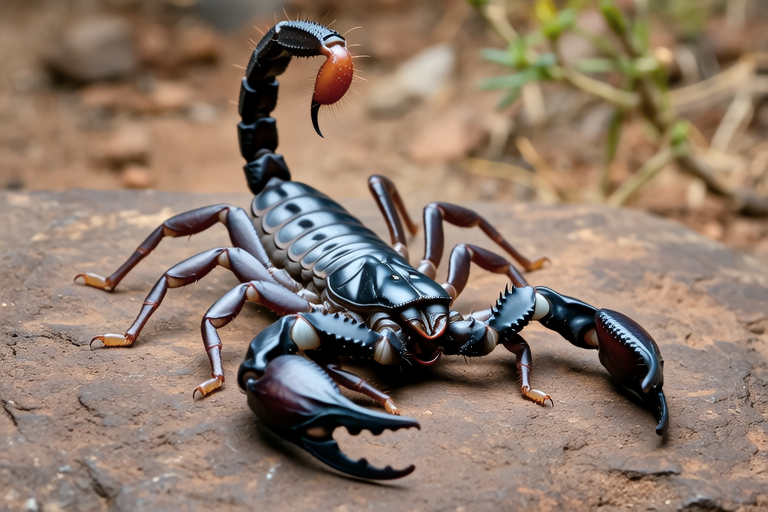
The spiny forest scorpion is easily recognizable by its distinctive appearance. It typically measures between 8 to 12 centimeters in length, with a robust body and a pair of large, curved pincers at the front. The most striking feature of Heterometrus spinifer is the row of sharp spines that run along its tail, which gives the species its name. These spines serve multiple purposes, including defense and attracting mates. The coloration of the scorpion can vary from dark brown to almost black, providing excellent camouflage against the forest floor.
The exoskeleton of Heterometrus spinifer
is tough and segmented, offering protection against predators and environmental hazards. Its eyes are small but functional, allowing it to detect movement and light changes in its surroundings. Additionally, the scorpion has sensory structures called pectines, located beneath the abdomen, which help it navigate its environment by detecting chemical signals and vibrations.
Habitat and Distribution
Heterometrus spinifer thrives in tropical and subtropical forests, where it can find ample shelter and prey. These scorpions are primarily ground-dwelling, preferring humid environments with plenty of leaf litter, rocks, and crevices to hide in. They are nocturnal creatures, spending their days concealed in their burrows or under logs and stones. At night, they emerge to hunt for food, relying on their keen senses to locate potential prey.
The distribution of Heterometrus spinifer spans across Southeast Asia, including parts of Thailand, Malaysia, Indonesia, and the Philippines. Their preference for dense, moist forests means they are often found in areas rich in biodiversity, contributing to the ecological balance of these regions.
Behavior and Social Structure
Despite their solitary nature, Heterometrus spinifer exhibits complex behaviors that have intrigued researchers for decades. These scorpions are primarily nocturnal, venturing out only after sunset to hunt for food. During the day, they remain hidden in their burrows or under rocks and logs, conserving energy and avoiding detection by predators.
When threatened, the spiny forest scorpion employs a range of defensive tactics. It may lift its tail and display the spines to deter potential attackers. If further provoked, it can deliver a painful sting, although it rarely uses venom unless absolutely necessary. The venom of Heterometrus spinifer is relatively mild compared to some other scorpion species, causing localized pain and swelling but rarely leading to severe complications in humans.
Mating rituals in Heterometrus spinifer involve intricate courtship dances, during which males and females engage in a delicate exchange of pheromones. After mating, the female carries her fertilized eggs internally until they hatch, a process known as viviparity. Once the young scorpions, or scorplings, are born, they cling to their mother’s back for several days before dispersing to fend for themselves.
Diet and Feeding Habits
The diet of Heterometrus spinifer consists mainly of insects and other small invertebrates. Beetles, crickets, spiders, and various arachnids form the bulk of their prey. These scorpions are adept hunters, using their pincers to capture and immobilize prey before injecting venom through their stinger. The venom serves two primary functions: to subdue the prey and to aid in digestion by breaking down tissues. Once the prey is subdued, the scorpion tears it apart with its chelicerae (mouthparts) and consumes the liquefied contents.
Interestingly, Heterometrus spinifer has been observed to exhibit cannibalistic tendencies, especially when food sources are scarce. This behavior ensures that the strongest individuals survive, contributing to the overall fitness of the population.
Unique Traits
One of the most remarkable traits of Heterometrus spinifer is its ability to glow under ultraviolet light, a phenomenon known as fluorescence. This bioluminescence is thought to play a role in communication and mate selection. When exposed to UV light, the scorpion’s exoskeleton emits a vibrant greenish-blue glow, enhancing its visibility to potential partners. Researchers believe this adaptation helps the scorpions find each other more easily in the dark, increasing the chances of successful reproduction.
Another unique characteristic of Heterometrus spinifer is its ability to control the amount of venom it injects during a sting. This adaptability allows the scorpion to conserve venom for future use, particularly in situations where it might need to defend itself against larger threats. By modulating the dose of venom, the scorpion can avoid unnecessary depletion of its reserves, ensuring its survival in challenging conditions.
Role in Ecosystems
As top predators in their respective habitats, Heterometrus spinifer plays a vital role in maintaining the ecological balance of tropical and subtropical forests. By preying on insects and other small invertebrates, they help regulate populations and prevent overgrazing of vegetation. Their presence also serves as an indicator of a healthy ecosystem, as their survival depends on the availability of diverse prey species.
In addition to their role as predators, Heterometrus spinifer contributes to nutrient cycling within their habitats. As they feed on decomposing organic matter, they help break down dead plants and animals, returning valuable nutrients to the soil. This process supports the growth of new vegetation, fostering a thriving ecosystem.
Conservation Status
Currently, Heterometrus spinifer is not considered endangered, but its populations face threats due to habitat destruction and human encroachment. Deforestation for agriculture, logging, and urban development has reduced the availability of suitable habitats, forcing these scorpions into smaller and more fragmented areas. Conservation efforts focus on protecting remaining forested regions and promoting sustainable land use practices to ensure the long-term survival of this species.
Efforts are also being made to raise awareness about the importance of preserving Heterometrus spinifer and other scorpion species. Educational programs aimed at local communities and tourists highlight the ecological significance of these creatures and encourage responsible behavior around them.
Myths and Misconceptions
Despite their important role in ecosystems, Heterometrus spinifer has long been the subject of myths and misconceptions. One common belief is that all scorpions are highly venomous and dangerous to humans. While it is true that some scorpion species possess potent venom, Heterometrus spinifer is generally considered harmless to humans. In fact, the venom of Heterometrus spinifer is relatively mild, causing localized pain and swelling but rarely leading to severe complications.
Another misconception is that scorpions always carry their young on their backs. While it is true that newly hatched scorplings ride on their mother’s back for protection, this behavior is temporary and ceases once the scorplings are old enough to fend for themselves.
Conclusion
The spiny forest scorpion, Heterometrus spinifer, is a remarkable and misunderstood creature with unique physical characteristics, behaviors, and roles in its ecosystem. From its glowing exoskeleton to its complex hunting strategies, this species continues to captivate scientists and nature enthusiasts alike. By understanding and appreciating the importance of Heterometrus spinifer, we can work towards conserving its habitats and ensuring its continued existence for future generations.
