Unraveling the Mysteries of Bearded Dragon Behavior: What’s Your Pet Trying to Tell You?
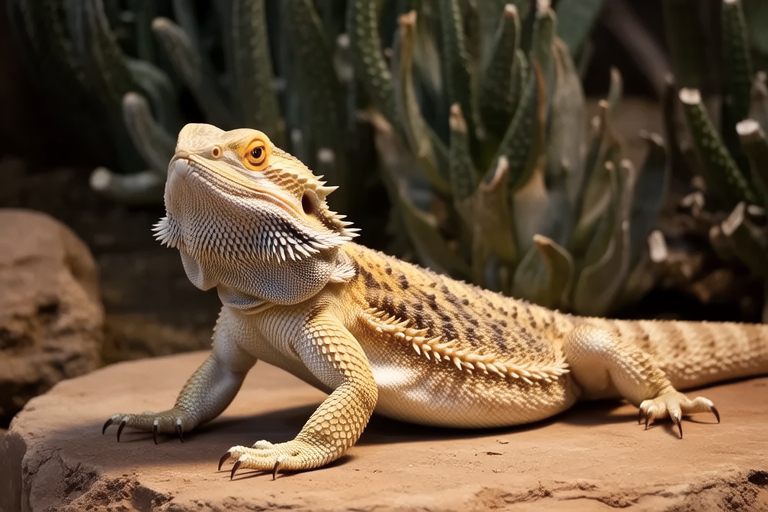
Welcome to the fascinating world of bearded dragons! These charismatic reptiles have become one of the most popular pets in recent years, captivating hearts with their unique appearance and intriguing behaviors. Originating from the deserts of Australia, bearded dragons are known for their spiked scales, robust bodies, and the distinctive beard that gives them their name. Their gentle demeanor and manageable size make them ideal companions for both novice and seasoned reptile enthusiasts.
The Popularity of Bearded Dragons
Bearded dragons are often chosen as pets due to their ease of care and interactive nature. They are relatively low-maintenance compared to other exotic animals, requiring a moderate amount of space and resources. Additionally, they are known for their docile temperament, which makes them great for handling and bonding with their owners. The combination of their charming looks and friendly demeanor has made bearded dragons a favorite among reptile lovers.
Understanding Bearded Dragon Body Language
Head Bobbing
One of the most recognizable behaviors in bearded dragons is head bobbing. This action is typically seen during courtship displays, where males attempt to attract females. However, it can also be observed in territorial disputes or as a sign of dominance. If your bearded dragon frequently head bobs, it may be asserting its position within its environment. Pay attention to this behavior, especially if you have multiple dragons or other pets in the same space.
Arm Waving
Another intriguing behavior is arm waving, where a bearded dragon raises one front leg and slowly waves it in a circular motion. This gesture is often interpreted as a sign of submission, particularly in younger or less dominant dragons. It can also be a way for your dragon to communicate with you, indicating that it wants attention or is feeling comfortable and at ease in its surroundings.
Puffing Up Their Beards
The bearded dragon’s namesake is the ability to puff out its throat, creating a distinctively “bearded” appearance. This behavior is usually a response to stress, fear, or aggression. When your dragon puffs up its beard, it is trying to appear larger and more intimidating to potential threats. If you notice this behavior, it could be a sign that your dragon is feeling unsafe or uncomfortable, so it’s important to investigate the cause and provide reassurance.
Color Changes
Bearded dragons are capable of changing their skin color, which can range from light brown to dark green or even red. These changes can be influenced by several factors, including temperature, mood, and health. A dragon that is basking under a heat lamp may darken its color to absorb more warmth, while a stressed or sick dragon might turn paler. Monitoring these color shifts can help you understand your pet’s current state and ensure it is thriving in its habitat.
Social Interaction and Environmental Preferences
Social Behavior
While bearded dragons are generally solitary creatures, they can form bonds with their owners and exhibit signs of recognition and affection. They may approach you eagerly when you enter the room or show interest in food offerings. However, it’s important to respect their need for personal space and avoid overstimulating them. Building trust through consistent, gentle interactions will strengthen your bond with your pet.
Environmental Preferences
Your bearded dragon’s behavior can also provide clues about its environmental preferences. For instance, if your dragon spends a lot of time basking under the heat lamp, it may indicate that the temperature in its enclosure is optimal for digestion and overall well-being. Conversely, if it frequently seeks cooler spots, it might be too hot for comfort. Ensuring a balanced temperature gradient within the habitat is crucial for your dragon’s health and happiness.
Tips for Owners
Observing and understanding your bearded dragon’s behavior is essential for providing the best care possible. Here are some tips to help you interpret your pet’s actions:
- Keep a daily journal of your dragon’s activities, noting any changes in behavior or physical appearance.
- Pay attention to feeding patterns; a loss of appetite could signal illness or stress.
- Regularly check the temperature and humidity levels in the enclosure to ensure they meet your dragon’s needs.
- Offer a variety of hiding spots and climbing structures to encourage natural behaviors and reduce anxiety.
By being attentive and responsive to your bearded dragon’s signals, you can create a nurturing environment that promotes its physical and emotional health.
When to Consult a Veterinarian
While many behaviors are normal and part of your dragon’s natural repertoire, there are instances when professional assistance is necessary. If you observe any of the following signs, it’s advisable to contact a reptile-savvy veterinarian:
- Severe lethargy or lack of movement.
- Difficulty breathing or excessive mucus production.
- Bloody stools or unusual discharge.
- Signs of dehydration, such as sunken eyes or sticky gums.
- Abnormal swelling or lumps on the body.
Early intervention can prevent minor issues from becoming serious problems, ensuring your pet remains healthy and happy.
In conclusion, bearded dragons are remarkable creatures with complex behaviors that offer valuable insights into their well-being. By familiarizing yourself with these behaviors and responding appropriately, you can build a strong, trusting relationship with your pet and provide the care it deserves. Remember, every dragon is unique, so take the time to learn about your individual companion and celebrate the wonders of reptilian life together.
