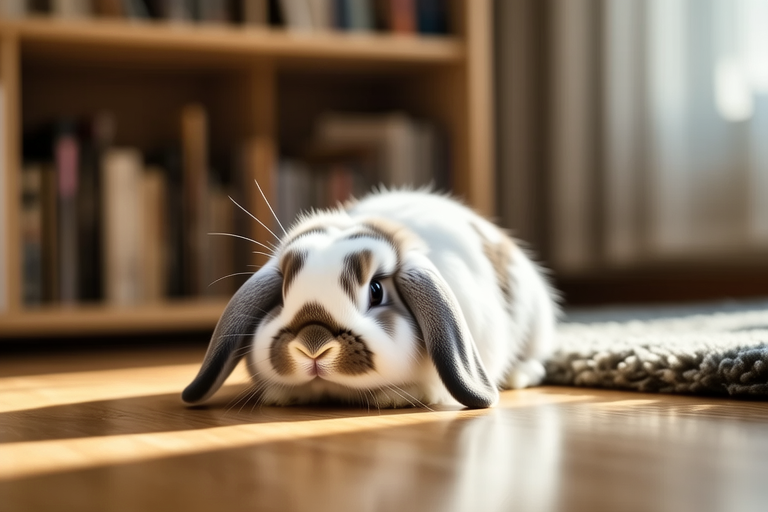
From Barn to Couch: How Lop Rabbits Became Ultimate House Companions
Lop rabbits, known for their distinctive floppy ears, have a rich history that spans centuries. Originating from barnyards and farms, these gentle creatures were initially bred for their meat and fur. Today, however, lop rabbits are beloved house pets, cherished for their affectionate nature and adaptability. This article delves into the fascinating journey of lop rabbits, tracing their evolution from barnyard helpers to cherished family members.
The Origins of Lop Rabbits
Lop rabbits first appeared in medieval Europe, where they were valued for their meat and wool. Their large size and robust health made them perfect candidates for farm life. The breed’s name derives from the Dutch word “lop,” meaning “lope” or “droop,” referring to their characteristic floppy ears. These ears, once a hindrance in the wild, became a symbol of their domestication and ease of handling.
Physical Traits Ideal for House Pets
One of the most endearing features of lop rabbits is their long, drooping ears. Not only do these ears add to their unique appearance, but they also serve as a cooling mechanism, helping to regulate body temperature. Beyond their aesthetic appeal, lop rabbits are renowned for their docile and calm demeanor, making them excellent companions for families and individuals alike.
With their soft, dense fur and gentle temperament, lop rabbits are perfectly suited for indoor living. They require minimal grooming, though regular brushing can help prevent matting and keep their coat healthy. Their compact size means they are less likely to cause damage to furniture or decor, making them ideal for small apartments and houses.
Historical Changes Leading to Indoor Adaptation
The transition of lop rabbits from farm animals to house pets was gradual, influenced by significant shifts in agricultural practices and societal trends. As industrialization and urbanization spread, fewer people relied on farms for sustenance, leading to a decline in the demand for meat and wool. Simultaneously, there was a growing appreciation for companion animals, driven by advancements in veterinary medicine and increased awareness of animal welfare.
The rise of rabbit shows and breeding clubs in the late 19th century further fueled the popularity of lop rabbits as pets. Breeders focused on enhancing desirable traits, such as ear length and body conformation, while maintaining the breed’s friendly disposition. By the mid-20th century, lop rabbits had become synonymous with family pets, adored for their playful yet tranquil presence.
Care Requirements for Lop Rabbits
Providing proper care is essential for ensuring the health and happiness of your lop rabbit. A spacious cage or enclosure with ample room for movement is crucial, along with daily exercise outside the cage. Lop rabbits thrive in environments that offer mental stimulation, so consider providing toys, tunnels, and other enrichments.
Diet is another critical aspect of lop rabbit care. A balanced diet consisting of hay, fresh vegetables, and a limited amount of pellets will support their overall well-being. Clean water should always be available, and regular check-ups with a veterinarian specializing in exotic animals can help address any health concerns promptly.
Anecdotes and Studies on Intelligence and Bonding
Lop rabbits are intelligent and trainable, capable of learning tricks and responding to their names. Many owners report that their lop rabbits display signs of affection, such as nudging for attention or seeking out petting. One study published in the Journal of Applied Animal Welfare Science found that rabbits form strong bonds with their human caregivers, exhibiting behaviors similar to those seen in dogs and cats.
Personal anecdotes from rabbit owners highlight the emotional depth of these animals. For instance, one owner shared how her lop rabbit would follow her around the house, seeking out her company during quiet moments. Another recounted how her rabbit would sit patiently next to her while she worked, offering comfort and companionship.
Conclusion: The Transformation of Lop Rabbits
The journey of lop rabbits from barnyard helpers to cherished family members is a testament to their adaptability and charm. From their humble beginnings in medieval Europe to their current status as beloved pets, lop rabbits have captured the hearts of many. Their gentle nature, intelligence, and ease of care make them ideal companions for households of all sizes.
As we reflect on the transformation of lop rabbits, it becomes clear that their success as house pets is due not only to their physical attributes but also to their emotional connection with humans. Whether you’re an experienced rabbit owner or considering adopting your first furry friend, lop rabbits offer a rewarding and loving experience that will bring joy to your home.
