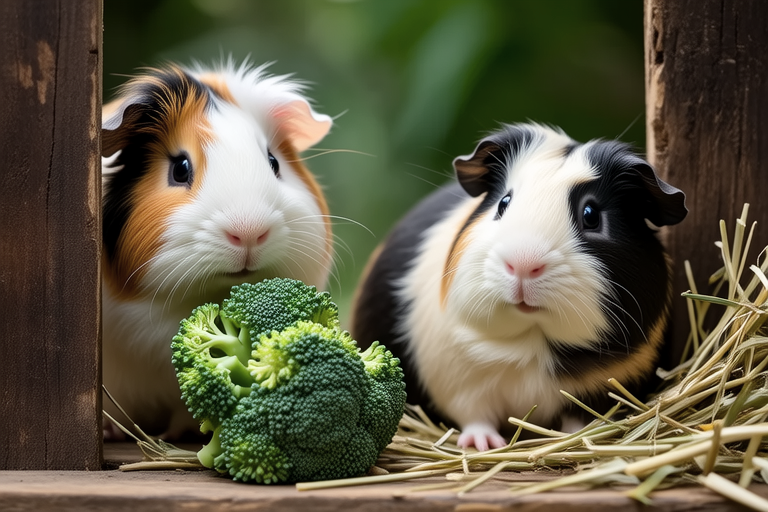
5 Surprising Facts About Guinea Pigs You Never Knew!
Guinea pigs, also known as cavies, are charming little creatures that have been popular pets for centuries. While many people know them as small, cuddly animals that make delightful companions, there’s much more to these furry friends than meets the eye. In this article, we’ll uncover five surprising facts about guinea pigs that you may not have known, along with some tips on how to keep your pet healthy and happy.
Fact 1: Guinea Pigs Are Social Creatures
Contrary to popular belief, guinea pigs are not solitary animals. They are highly social and thrive in the company of others. In the wild, guinea pigs live in groups called herds, where they form strong bonds and work together to find food and protect themselves from predators. This social nature means that guinea pigs need companionship, whether it’s from another guinea pig or their human caretakers.
If you’re considering adopting a guinea pig, think about getting two. Not only will they provide each other with companionship, but they will also be more active and playful. However, if you decide to have just one, make sure to spend plenty of time interacting with your pet. Guinea pigs love to be petted, held, and talked to, so don’t hesitate to give them the attention they crave.
Pro Tip: When introducing new guinea pigs, always do so gradually to avoid stress and fights. Start by placing their cages next to each other, allowing them to get used to each other’s scent before slowly introducing them in a neutral area.
Fact 2: Guinea Pigs Have Unique Vocalizations
One of the most endearing qualities of guinea pigs is their ability to communicate through various sounds. They have a wide range of vocalizations that can express different emotions, from excitement to distress. For example, a happy guinea pig might make a purring sound similar to a cat, while a scared one could emit high-pitched squeaks. Some guinea pigs even learn to whistle when they want attention or food.
Understanding these vocalizations can help you better interpret your pet’s needs and emotions. By paying close attention to their sounds, you can quickly identify when they’re hungry, bored, or feeling unwell. This level of communication fosters a deeper bond between you and your pet, making every interaction more meaningful.
Pro Tip: Always respond positively to your guinea pig’s calls. If they whistle for food, praise them gently and offer a treat. This positive reinforcement will encourage them to continue communicating with you, strengthening your relationship.
Fact 3: Guinea Pigs Require A Balanced Diet
Guinea pigs have specific dietary needs that must be met to ensure their health and well-being. One of the most important aspects of their diet is vitamin C, which they cannot produce on their own and must obtain from their food. Deficiency in vitamin C can lead to scurvy, a condition that causes joint pain, lethargy, and poor wound healing. To prevent this, it’s crucial to provide fresh fruits and vegetables rich in vitamin C, such as bell peppers, oranges, and strawberries.
In addition to vitamin C, guinea pigs need a balanced mix of hay, pellets, and occasional treats. Timothy hay is particularly beneficial as it aids digestion and helps wear down their continuously growing teeth. Pellets should be high-quality and formulated specifically for guinea pigs, avoiding those with added sugars or artificial flavors.
Pro Tip: Rotate the types of fruits and vegetables you feed your guinea pig to ensure they receive a variety of nutrients. Also, monitor their weight regularly to adjust the amount of food they eat, preventing obesity.
Fact 4: Guinea Pigs Can Learn Simple Tricks
Did you know that guinea pigs are intelligent and trainable? With patience and positive reinforcement, you can teach your pet simple tricks like coming when called, sitting up, or even rolling over. Training sessions should be short and fun, lasting no longer than 10-15 minutes at a time, to maintain your guinea pig’s interest and prevent boredom.
Training not only provides mental stimulation but also strengthens the bond between you and your pet. It gives them something to look forward to and keeps their minds sharp. Plus, teaching your guinea pig tricks can be a great way to entertain yourself and your friends.
Pro Tip: Use small pieces of their favorite treats as rewards during training sessions. This will motivate your guinea pig to participate and learn new commands. Remember to be consistent with your training and always end the session on a positive note.
Fact 5: Guinea Pigs Need Plenty Of Space To Exercise
Despite their small size, guinea pigs require ample space to exercise and stay healthy. In the wild, they cover large distances in search of food and shelter, and this natural behavior carries over into captivity. A spacious cage with multiple levels or tunnels can provide the necessary stimulation and exercise. Additionally, daily playtime outside of the cage is essential for their physical and mental well-being.
When setting up your guinea pig’s living space, consider their need for exploration and movement. The cage should be large enough to accommodate all their accessories, including a hideaway, a food dish, and a water bottle. Adding ramps, tunnels, and platforms can create an enriching environment that encourages physical activity. Regular playtime outside the cage, under supervision, allows your guinea pig to stretch their legs and explore new areas.
Pro Tip: Rotate toys and accessories periodically to keep the environment stimulating and exciting. This prevents boredom and keeps your guinea pig engaged and active.
Conclusion
Guinea pigs are fascinating creatures with many hidden traits that make them wonderful pets. From their social nature and unique vocalizations to their dietary requirements and intelligence, there’s always something new to learn about these charming animals. By understanding and addressing these aspects of their lives, you can provide the best possible care for your guinea pig, ensuring they remain healthy, happy, and full of life.
Remember, adopting a guinea pig is a long-term commitment, and it’s important to be prepared for the responsibilities that come with it. With the right knowledge and care, you can enjoy many years of companionship with these delightful creatures. Happy guinea pig parenting!
