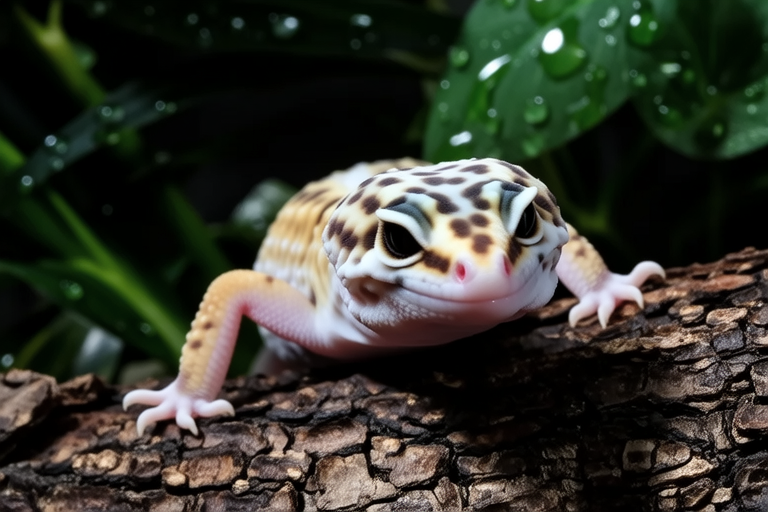
Chameleon Care: Top Secrets from Expert Owners
Welcome to the world of chameleon care! These fascinating creatures are not only beautiful but also require specific attention to ensure they thrive in captivity. In this comprehensive guide, we’ll dive into the top secrets shared by expert chameleon owners, covering everything from diet and habitat setup to health monitoring and handling techniques. Whether you’re a beginner or an enthusiast, this article will provide you with actionable insights to keep your chameleon healthy and happy.
Diet: The Foundation of Chameleon Health
Feeding your chameleon the right diet is crucial for its overall health and longevity. Chameleons are insectivores, which means their diet primarily consists of insects. However, it’s important to vary the types of insects you offer to ensure a balanced intake of nutrients.
Types of Insects: Common feeder insects include crickets, dubia roaches, silkworms, and hornworms. Each insect offers different nutritional benefits. For example, crickets are high in protein, while dubia roaches are rich in calcium. It’s essential to feed a variety to prevent nutritional deficiencies.
Dusting and Gut Loading: To enhance the nutritional value of the insects, dust them with a calcium supplement before feeding. Additionally, gut loading involves feeding the insects a nutritious diet for at least 24 hours before offering them to your chameleon. This ensures that the insects themselves are full of vitamins and minerals.
Frequency of Feeding: Young chameleons need to be fed daily, while adults can be fed every other day. Always monitor your chameleon’s body condition to adjust feeding frequency as needed. Overfeeding can lead to obesity, while underfeeding can result in malnutrition.
Habitat Setup: Creating a Natural Environment
A well-designed habitat is key to maintaining your chameleon’s health and happiness. The enclosure should mimic the natural environment as closely as possible, providing plenty of space for climbing and basking.
Size of Enclosure: A minimum size of 24 inches wide, 24 inches deep, and 48 inches tall is recommended for adult chameleons. Larger enclosures are always better, allowing more room for exercise and exploration.
Substrate: Avoid substrates like sand or gravel, as they can cause impaction if ingested. Instead, opt for a non-porous substrate such as reptile carpet or paper towels. These options are easy to clean and pose no risk to your chameleon.
Vegetation: Chameleons love to climb and hide among plants. Provide a variety of live or artificial plants to create a stimulating environment. Ficus benjamina (weeping fig) and pothos are popular choices due to their hardiness and ability to withstand frequent misting.
Basking Spot: A basking spot is essential for regulating body temperature and digestion. Use a heat lamp or ceramic heat emitter to create a warm area at one end of the enclosure. The ideal temperature for basking should range between 90°F and 100°F (32°C to 38°C).
Temperature and Humidity Requirements
Maintaining the correct temperature and humidity levels is critical for your chameleon’s health. Improper conditions can lead to stress, illness, and even death.
Temperature: Chameleons are ectothermic, meaning they rely on external sources to regulate their body temperature. The enclosure should have a temperature gradient, with a cooler side and a warmer basking spot. During the day, temperatures should range from 75°F to 90°F (24°C to 32°C), dropping slightly at night to around 65°F to 75°F (18°C to 24°C).
Humidity: Chameleons require high humidity levels to stay hydrated and shed properly. Aim for humidity levels between 40% and 70%. You can achieve this by misting the enclosure several times a day or using a fogger. Ensure proper ventilation to prevent mold growth.
Health Monitoring: Keeping an Eye on Your Chameleon
Regular health checks are vital to catch any issues early and maintain your chameleon’s well-being. Here are some signs to watch out for:
Behavioral Changes: Sudden changes in behavior, such as lethargy, loss of appetite, or excessive hiding, may indicate underlying health problems. Monitor your chameleon’s activity level and feeding habits daily.
Physical Signs: Check for any physical abnormalities, such as swelling, lesions, or discharge from the eyes or mouth. Also, inspect the skin for signs of parasites or fungal infections.
Shedding: Proper shedding is crucial for your chameleon’s health. If your chameleon has difficulty shedding, increase the humidity levels and provide rough surfaces for assistance. Avoid removing stuck shed manually, as this can damage the skin.
Common Myths Debunked
There are many misconceptions about chameleon care. Let’s address some of the most common ones:
Myth: Chameleons Change Color to Match Their Surroundings. While chameleons can change color to communicate or regulate body temperature, they do not change to match their surroundings. Their color shifts are primarily influenced by mood, temperature, and light.
Myth: Chameleons Don’t Need UVB Lighting. Contrary to popular belief, chameleons require UVB lighting to synthesize vitamin D3, which aids in calcium absorption. Without adequate UVB exposure, chameleons can develop metabolic bone disease.
Myth: Chameleons Can Survive on Water Mist Alone. While misting is important for hydration, it’s not enough. Chameleons should have access to a shallow water dish or a dripper system to drink from. Ensure the water source is easily accessible and cleaned regularly.
Tips for Handling: Building Trust and Minimizing Stress
Handling your chameleon should be done with care and respect. Chameleons are delicate creatures and can become stressed easily if mishandled.
Handling Frequency: Limit handling to once a week or less. Frequent handling can cause stress and disrupt the chameleon’s routine. If you must handle your chameleon, do so gently and support its body fully.
Proper Technique: When picking up your chameleon, approach slowly and avoid startling it. Gently scoop it up from behind, supporting its entire body. Never grab its tail or limbs, as this can cause injury.
Building Trust: Spend time near your chameleon’s enclosure without handling it to help build trust. Gradually introduce yourself by placing your hand inside the enclosure and allowing your chameleon to explore you on its own terms.
Conclusion
Caring for a chameleon requires dedication and attention to detail. By following the expert advice provided in this guide, you’ll be well-equipped to meet your chameleon’s needs and provide a healthy, stimulating environment. Remember, each chameleon is unique, so observe your pet closely and make adjustments as necessary. With the right care and love, your chameleon will thrive and bring joy to your home for years to come.
