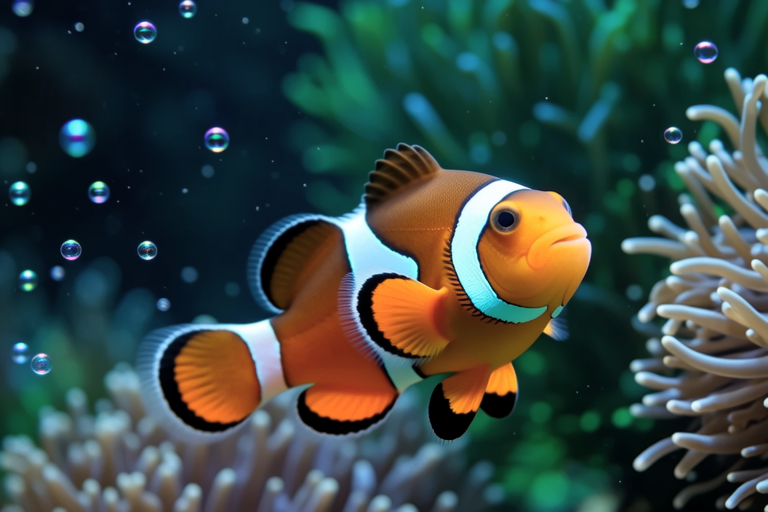
How Clownfish Became an Internet Sensation: From Oceans to Screens
Introduction:
Clownfish, with their vibrant orange bodies and white stripes, are some of the most recognizable and beloved creatures in the ocean. Found primarily in coral reefs across the Indo-Pacific region, these small, hardy fish have captured the hearts of many. Their natural habitat, teeming with colorful corals and other marine life, provides a dynamic and challenging environment that shapes their unique behavior and characteristics.
Natural Habitat and Behavior
Clownfish are typically found living among the tentacles of sea anemones, a symbiotic relationship that benefits both parties. The anemone provides protection from predators, while the clownfish helps to lure prey and keeps the anemone clean. This partnership has made clownfish a symbol of cooperation and mutualism in the animal kingdom. They are territorial and fiercely protective of their host anemone, often displaying aggressive behavior towards intruders. Clownfish are also known for their remarkable ability to change sex, which plays a crucial role in their reproductive behavior. A dominant female leads the group, but if she dies, the largest male will transform into a female to take her place.
Early Cultural Appearances
While clownfish have long been admired for their striking appearance and unique behavior, their presence in human culture can be traced back centuries. Early mentions of clownfish appear in various forms of literature and media, where they were often portrayed as exotic and mysterious. In ancient Chinese and Japanese art, clownfish were depicted as symbols of good fortune and prosperity, reflecting the admiration and awe that people felt towards them. These early depictions laid the groundwork for clownfish to become a cultural icon, setting the stage for their future prominence in popular culture.
The Rise of Clownfish in Popular Culture
The real turning point in clownfish’s journey to internet stardom came with their appearance in animated films and television shows. One of the most significant moments was the release of “Finding Nemo” in 2003, directed by Andrew Stanton and produced by Pixar Animation Studios. This heartwarming tale of a father clownfish searching for his son captured the imaginations of audiences worldwide. Marlin, the protagonist, became an iconic character, representing resilience and the lengths parents go to protect their children. The film’s success brought clownfish into the spotlight, making them household names and sparking a wave of interest in marine life.
Following the success of “Finding Nemo,” clownfish continued to make appearances in various forms of media. In 2016, “Finding Dory” expanded the universe of the original film, introducing new characters and further deepening the story. Dory, a forgetful blue tang fish, became another beloved character, with her clownfish friend Nemo playing a pivotal role in her journey. These films not only entertained audiences but also raised awareness about marine conservation issues, encouraging viewers to learn more about the animals they encountered on screen.
Viral Trends and Social Media Movements
The portrayal of clownfish in popular culture has significantly contributed to their internet popularity. The release of “Finding Nemo” sparked a series of viral trends and memes, with fans creating their own versions of the film’s iconic scenes. One of the most notable trends was the “Dory Memes,” which capitalized on the character’s forgetfulness, leading to humorous and relatable content that resonated with audiences. These memes showcased the humor and charm of clownfish, further cementing their status as internet sensations.
Social media platforms played a crucial role in amplifying the popularity of clownfish. Instagram, Twitter, and TikTok became breeding grounds for clownfish-related content, with users sharing videos of their pet clownfish, creating DIY tutorials for home aquariums, and participating in challenges centered around the fish. These platforms allowed fans to connect over their shared love for clownfish, fostering a sense of community and driving the trend even further.
The Aquarium Trade and Conservation Efforts
The growing popularity of clownfish in pop culture has had both positive and negative impacts on their reputation and conservation efforts. On one hand, increased awareness about these fish has led to greater interest in marine biology and conservation, inspiring people to learn more about the threats facing coral reefs and marine ecosystems. Many aquarium enthusiasts have taken up the cause, advocating for sustainable practices and supporting organizations dedicated to protecting marine life.
On the other hand, the demand for clownfish in the aquarium trade has skyrocketed, putting pressure on wild populations. Overfishing and unsustainable collection methods have led to declines in clownfish numbers in certain areas, raising concerns about their long-term survival. To address these issues, conservationists and aquarists are working together to promote captive breeding programs and encourage responsible sourcing of aquarium fish. By doing so, they hope to reduce the strain on wild populations and ensure the continued availability of clownfish for future generations.
The Future of Clownfish in Pop Culture
Looking ahead, it is likely that clownfish will continue to play a prominent role in popular culture, thanks to their enduring appeal and the ongoing fascination with marine life. As technology advances, we may see new forms of entertainment featuring clownfish, such as virtual reality experiences or interactive apps that allow users to explore the underwater world from the comfort of their homes. Additionally, clownfish could inspire educational initiatives aimed at promoting ocean conservation, helping to foster a new generation of environmental stewards.
Regardless of the specific forms their future appearances may take, one thing is certain: clownfish will remain a beloved and influential part of pop culture, captivating audiences with their charm and resilience. Their journey from the oceans to screens serves as a testament to the power of storytelling and the enduring connection between humans and nature.
