Living with a Siamese Cat: Tips for New Owners and Lifelong Lovers
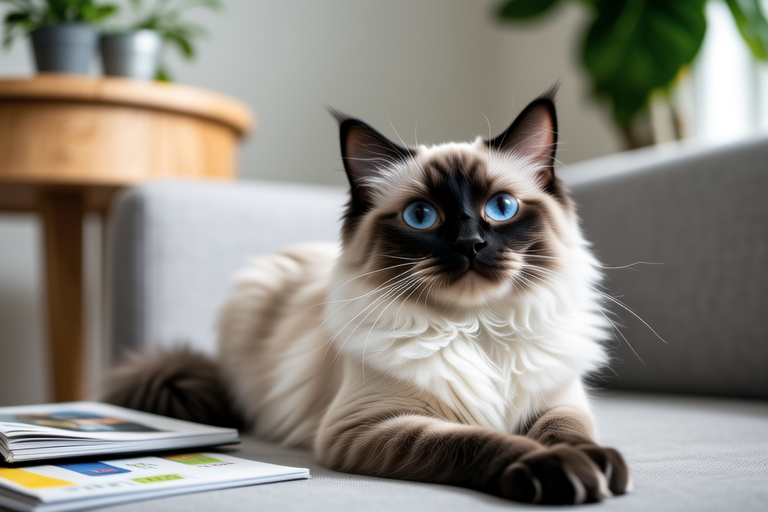
Welcome to the fascinating world of Siamese cats! Known for their striking blue almond-shaped eyes, sleek coats, and distinctive color points, these felines are not only visually captivating but also possess unique personalities that make them stand out among other cat breeds. Siamese cats are highly intelligent, affectionate, and vocal, making them ideal companions for those who appreciate a lively and interactive pet. In this article, we will explore various aspects of living with a Siamese cat, offering valuable tips for new owners and cherished advice for lifelong lovers.
Introduction: The Unique Characteristics of Siamese Cats
Siamese cats have a rich history dating back several centuries, originating from Thailand (formerly Siam). Their distinctive appearance is characterized by a pale body with dark extremities, such as the face, ears, paws, and tail. This coloration, known as ‘pointing,’ is due to a temperature-sensitive enzyme that produces melanin in cooler parts of their bodies. Their piercing blue eyes add to their exotic allure, and their slender, muscular bodies are agile and graceful.
Beyond their physical attributes, Siamese cats are renowned for their communicative nature. They are known to be extremely vocal, often engaging in ‘conversations’ with their owners through a series of melodic meows. This trait makes them excellent companions for people who enjoy interacting with their pets verbally. Additionally, Siamese cats are highly intelligent and curious, always seeking stimulation and engagement.
Dietary Needs
Feeding your Siamese cat a balanced diet is crucial for maintaining their health and energy levels. High-quality commercial cat food, either dry or wet, should form the core of their diet. Look for options that are specifically formulated for indoor cats or for adult cats, as these tend to have lower calorie counts and are designed to support their specific nutritional needs.
Siamese cats are prone to obesity, so it’s important to monitor their food intake and portion sizes carefully. Avoid overfeeding and ensure they have access to fresh water at all times. Treats can be given occasionally but should be limited to prevent weight gain. Consult with your veterinarian to determine the appropriate amount of food based on your cat’s age, weight, and activity level.
Grooming
Siamese cats have short, fine coats that require minimal grooming. Weekly brushing with a soft brush will help remove loose hair and distribute natural oils, keeping their coat shiny and healthy. Regular nail trimming is also essential, especially if your cat does not wear down its nails naturally. Use a pair of cat-safe clippers and trim the nails just above the pink quick to avoid causing pain or bleeding.
Bathing is generally unnecessary unless your cat gets into something particularly messy. However, some Siamese cats may enjoy baths, so it can be a good idea to introduce them to bathing early and make it a positive experience. Dental hygiene is equally important. Provide your cat with chew toys or dental treats to help keep their teeth clean, and consider brushing their teeth regularly with a toothbrush and toothpaste designed for cats.
Exercise Requirements
Siamese cats are energetic and need plenty of opportunities to play and expend energy. Interactive toys such as feather wands, laser pointers, and puzzle feeders are great for engaging their minds and bodies. Create a safe space where your cat can climb, jump, and explore, providing scratching posts, shelves, and tunnels. Daily play sessions will not only keep your Siamese physically fit but also mentally stimulated.
Regular playtime is also beneficial for strengthening the bond between you and your cat. Spend time each day playing with your Siamese, which will help satisfy their need for attention and interaction. This can also be an opportunity to teach them tricks or engage in training exercises.
Common Health Issues and Preventive Care
Like all breeds, Siamese cats are susceptible to certain health issues. Some of the most common conditions include dental disease, respiratory infections, and heart problems. Regular veterinary check-ups are essential to catch any potential issues early and provide timely treatment.
Vaccinations are crucial for preventing infectious diseases. Follow your veterinarian’s recommendations regarding core vaccines, which protect against serious illnesses like rabies, feline leukemia virus, and feline immunodeficiency virus. Parasite control, including flea, tick, and intestinal worm prevention, should also be maintained year-round.
Genetic predispositions in Siamese cats can lead to certain health conditions, such as progressive retinal atrophy and liver amyloidosis. Genetic testing can identify carriers of these conditions, allowing you to make informed decisions about breeding or management strategies. Early detection and intervention can significantly improve the quality of life for affected cats.
Training and Socializing
Siamese cats are intelligent and trainable, making them receptive to learning commands and tricks. Positive reinforcement techniques, such as clicker training or rewarding desired behaviors with treats, work well for teaching your cat to respond to commands. Start with simple tasks like coming when called or sitting on command, gradually progressing to more complex activities.
Due to their vocal nature, Siamese cats may sometimes express themselves through persistent meowing. Teaching them to communicate effectively without excessive noise can be achieved through consistent training. Ignore prolonged meowing until your cat learns that calm behavior earns attention.
Socialization is vital for ensuring your Siamese cat becomes comfortable around people, other animals, and various environments. Expose your cat to different stimuli, such as visitors, children, and other pets, from an early age. Encourage gentle interactions and reinforce positive experiences. A well-socialized Siamese cat will be more adaptable and less likely to develop behavioral issues.
Creating a Stimulating Environment
To cater to the curious and playful nature of Siamese cats, create an enriching environment filled with toys, climbing structures, and hiding spots. Consider setting up a cat tree with multiple levels, perches, and scratching surfaces. Provide a variety of toys that stimulate their senses and encourage exploration, such as balls, puzzle feeders, and interactive toys.
Environmental enrichment can also include introducing new objects or rearranging furniture periodically to keep your cat engaged. Providing mental challenges, like puzzle toys or treat-dispensing devices, can help prevent boredom and destructive behaviors. Engage your Siamese in regular play sessions to foster a strong bond and ensure they remain physically active.
Reflections on the Rewarding Experience of Owning a Siamese Cat
Owning a Siamese cat is a rewarding experience that brings joy and companionship to many households. For new owners, the initial adjustment period may come with challenges, but the bond formed with these intelligent and affectionate creatures is truly special. Lifelong lovers of Siamese cats often attest to the unique connection they share with their feline friends, appreciating their loyalty, intelligence, and playful nature.
While Siamese cats require attentive care and engagement, their presence in your home can bring immense happiness. By understanding and meeting their needs, you can ensure a fulfilling and enriching relationship with your Siamese cat. Embrace the journey of living with a Siamese cat, and cherish the moments shared with this remarkable breed.
