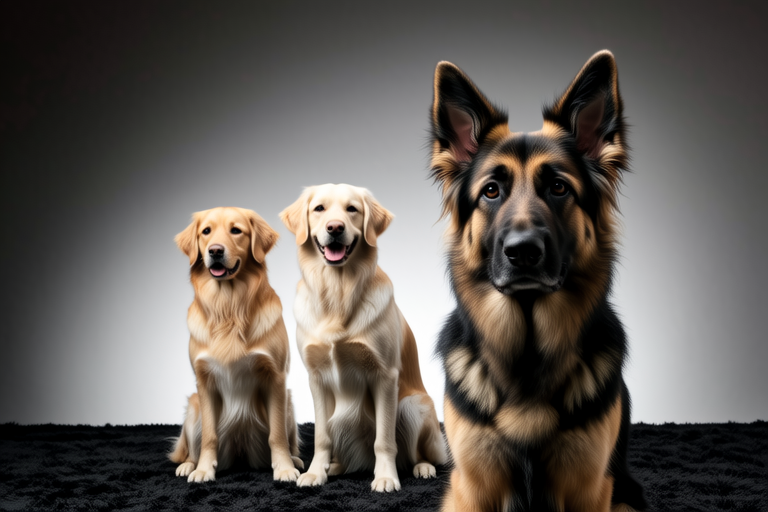
Comparing German Shepherds with Other Popular Dog Breeds
Welcome to an exciting journey through the world of dog breeds! If you’re thinking about adding a furry friend to your family, it’s crucial to consider various factors to ensure a perfect match. In this article, we’ll compare German Shepherds with other popular breeds, focusing on size, temperament, energy levels, grooming needs, health issues, and suitability for different living environments. Let’s dive in!
German Shepherd: A Comprehensive Overview
Size: German Shepherds are medium to large-sized dogs, typically weighing between 50 to 90 pounds and standing at 22 to 26 inches tall. Their robust build makes them well-suited for various activities, from agility to protection work.
Temperament: Known for their loyalty and intelligence, German Shepherds are often used as police and military dogs. They are protective and make excellent guard dogs. However, they can also be affectionate and gentle with their families. Early socialization is essential to prevent aggression towards strangers.
Energy Levels: These dogs have high energy levels and require plenty of exercise to stay healthy and happy. Daily walks, runs, or playtime in a fenced yard are necessary to keep them mentally stimulated.
Grooming Needs: German Shepherds have a double coat that sheds year-round. Regular brushing and bathing are required to maintain their appearance and prevent matting. Professional grooming may be needed every few months.
Health Issues: Common health problems include hip dysplasia, elbow dysplasia, and degenerative myelopathy. Responsible breeding practices and regular veterinary check-ups can help mitigate these risks.
Suitability for Different Living Environments: While German Shepherds can adapt to apartment living if given sufficient exercise, they thrive in homes with yards where they can run and play. Their strong prey drive means they may not be suitable for homes with small pets.
Breed Comparison: German Shepherd vs. Labrador Retriever
Size: Labrador Retrievers are slightly smaller than German Shepherds, typically weighing between 55 to 80 pounds and standing at 21.5 to 24.5 inches tall.
Temperament: Labradors are known for their friendly and outgoing nature. They are great with children and other animals, making them ideal family pets. However, their excessive barking can be a downside for some owners.
Energy Levels: Labradors have high energy levels similar to German Shepherds but tend to focus more on play rather than work. Swimming and fetching are favorite activities for these dogs.
Grooming Needs: Labradors have a short, dense coat that requires minimal grooming. Occasional brushing and baths are usually sufficient.
Health Issues: Common health problems include hip dysplasia, elbow dysplasia, and obesity. Providing a balanced diet and regular exercise can help manage these issues.
Suitability for Different Living Environments: Labradors can adapt to apartment living if given enough exercise. However, they prefer larger spaces where they can roam freely. Their strong swimming instincts make them excellent companions for families near water.
Breed Comparison: German Shepherd vs. Border Collie
Size: Border Collies are medium-sized dogs, typically weighing between 30 to 55 pounds and standing at 18 to 22 inches tall.
Temperament: Border Collies are highly intelligent and eager to please. They excel in herding, agility, and obedience competitions. However, their intense focus can sometimes lead to separation anxiety if left alone for long periods.
Energy Levels: Border Collies have extremely high energy levels and require constant mental and physical stimulation. They are not suitable for sedentary lifestyles.
Grooming Needs: Border Collies have a medium-length coat that requires regular brushing to prevent matting. Bathing should be done only when necessary to avoid stripping natural oils from their skin.
Health Issues: Common health problems include hip dysplasia, epilepsy, and eye disorders. Early detection and treatment can improve their quality of life.
Suitability for Different Living Environments: Border Collies need ample space to run and play. They are not recommended for apartment living unless the owner can provide extensive outdoor time. Their strong herding instincts mean they may chase after small animals.
Breed Comparison: German Shepherd vs. Golden Retriever
Size: Golden Retrievers are medium to large-sized dogs, typically weighing between 55 to 75 pounds and standing at 21.5 to 24 inches tall.
Temperament: Golden Retrievers are renowned for their friendly and gentle demeanor. They are great with children and other animals, making them ideal family pets. However, their excessive barking can be a downside for some owners.
Energy Levels: Golden Retrievers have moderate energy levels and enjoy regular exercise, such as walks and playtime. They are not as demanding as German Shepherds or Border Collies in terms of activity.
Grooming Needs: Golden Retrievers have a thick, water-repellant coat that requires regular brushing and occasional bathing. Professional grooming may be needed every few months.
Health Issues: Common health problems include hip dysplasia, elbow dysplasia, and cancer. Providing a balanced diet and regular veterinary check-ups can help manage these issues.
Suitability for Different Living Environments: Golden Retrievers can adapt to apartment living if given enough exercise. However, they prefer larger spaces where they can roam freely. Their love for water makes them excellent companions for families near lakes or beaches.
Breed Comparison: German Shepherd vs. Australian Shepherd
Size: Australian Shepherds are medium-sized dogs, typically weighing between 40 to 65 pounds and standing at 18 to 23 inches tall.
Temperament: Australian Shepherds are intelligent and loyal. They excel in herding, agility, and obedience competitions. However, their strong herding instincts can sometimes lead to nipping or chasing behavior.
Energy Levels: Australian Shepherds have high energy levels and require constant mental and physical stimulation. They are not suitable for sedentary lifestyles.
Grooming Needs: Australian Shepherds have a medium-length coat that requires regular brushing to prevent matting. Bathing should be done only when necessary to avoid stripping natural oils from their skin.
Health Issues: Common health problems include hip dysplasia, elbow dysplasia, and eye disorders. Early detection and treatment can improve their quality of life.
Suitability for Different Living Environments: Australian Shepherds need ample space to run and play. They are not recommended for apartment living unless the owner can provide extensive outdoor time. Their strong herding instincts mean they may chase after small animals.
Real-Life Scenarios Illustrating Breed Characteristics
Let’s explore some real-life scenarios to better understand how these breeds behave in different situations:
- Family Life: A family with young children might choose a Labrador Retriever or a Golden Retriever due to their friendly and gentle nature. Both breeds are great with kids and can provide years of joy and companionship.
- Active Lifestyle: An active couple who enjoys hiking and running might opt for a Border Collie or an Australian Shepherd. These breeds thrive on outdoor activities and can accompany their owners on long hikes or runs.
- Protective Environment: A homeowner looking for a protective guard dog might choose a German Shepherd. Their loyalty and intelligence make them excellent watchdogs, providing peace of mind for their owners.
Tips for Potential Owners to Match Their Lifestyle with the Right Breed
Choosing the right breed depends on several factors, including your lifestyle, living situation, and personal preferences. Here are some tips to help you find the perfect match:
- Consider Your Living Space: Do you live in an apartment or a house? Some breeds, like German Shepherds and Border Collies, require more space than others. Make sure you have enough room for your chosen breed to move around comfortably.
- Think About Your Activity Level: Are you an active person who enjoys outdoor activities? Or do you prefer a more sedentary lifestyle? Consider choosing a breed that matches your activity level to ensure both you and your dog remain happy and healthy.
- Research Health Concerns: Every breed has its own set of health concerns. Research common issues associated with your chosen breed and be prepared to address them proactively.
- Prepare for Grooming Needs: Some breeds require more grooming than others. Be prepared to invest time and money into maintaining your dog’s appearance.
- Consider Temperament: Think about what kind of temperament you’re looking for in a dog. Are you seeking a laid-back companion or an energetic partner? Choose a breed that aligns with your personality.
Summary
Choosing the right breed is an important decision that can greatly impact your life and your dog’s happiness. German Shepherds are loyal and intelligent dogs that excel in various roles, from protection to companionship. However, they require plenty of exercise and mental stimulation to stay healthy and happy. If you’re looking for a protective guard dog, a German Shepherd might be the perfect choice for you. On the other hand, if you’re seeking a friendly and gentle family pet, a Labrador Retriever or a Golden Retriever might be more suitable. For active individuals who enjoy outdoor activities, a Border Collie or an Australian Shepherd could be ideal. Remember to consider your living space, activity level, health concerns, grooming needs, and temperament when making your decision. By doing so, you’ll be well on your way to finding the perfect match for your lifestyle and preferences.
