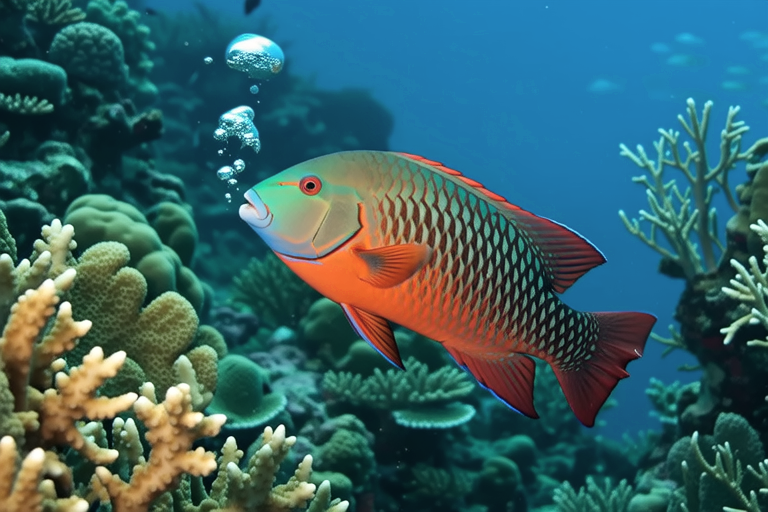
Unleashing the Mystery Behind Parrot Fish Behavior
Introduction
Parrot fish, a vibrant and diverse group of marine creatures, inhabit tropical and subtropical waters around the world. These fish, known for their striking colors and unique behaviors, play a crucial role in maintaining the health of coral reefs and other marine environments. Understanding their behavior can provide insights into the intricate balance of marine ecosystems.
What Are Parrot Fish?
Parrot fish belong to the family Scaridae and are found in warm oceanic regions. They are named for their beak-like mouths, which they use to scrape algae off rocks and coral. These fish range in size from small species that fit in your hand to larger ones that can grow up to 1 meter long. Their significance in marine ecosystems cannot be overstated; they are key players in the process of bioerosion and reef maintenance.
Unique Physical Characteristics
One of the most striking features of parrot fish is their vivid coloration, which varies widely depending on the species. This coloration serves multiple purposes, from camouflage to attracting mates. Another notable feature is their robust teeth, which are fused together to form a powerful beak. This adaptation allows them to efficiently scrape algae from hard surfaces, contributing significantly to the health of coral reefs.
In addition to their beaks, parrot fish have specialized pharyngeal teeth located further back in their throats. These teeth grind the coral and algae into fine particles, which are then excreted as sand. This process is vital for the formation of beaches and islands in tropical areas.
Feeding Habits
Parrot fish are primarily herbivores, with their diet consisting mainly of algae and sometimes small invertebrates. They use their strong beaks to scrape algae off rocks and coral, a behavior that helps control algal growth and promotes the health of coral reefs. Their feeding habits are not only essential for their survival but also contribute to the overall biodiversity of their habitats.
The feeding process of parrot fish is fascinating. They move slowly along the reef, using their beaks to graze. This methodical approach ensures that they consume a wide variety of algae, preventing any one type from dominating the ecosystem.
Sleep Patterns
Parrot fish have a unique sleeping behavior. To protect themselves from predators while resting, many species secrete a mucus cocoon. This cocoon acts as a barrier, masking their scent and making it harder for predators to detect them. This behavior underscores the importance of safety in their nocturnal routines.
Communication Methods
Parrot fish communicate through a combination of visual signals, sounds, and chemical cues. Visual displays include changing colors and postures, which can signal aggression, submission, or readiness to mate. Sound production involves grunting and other noises, often used during courtship or when defending territory. Chemical cues may involve releasing pheromones to attract mates or deter rivals.
Social Structures and Interactions
Parrot fish exhibit complex social behaviors. Many species live in schools, especially when they are young, which provides protection against predators. As they mature, some species become more solitary, while others continue to live in groups. Mating rituals are elaborate, involving color changes and displays to attract partners.
Within their communities, parrot fish engage in various interactions, such as territorial disputes and cooperative feeding. These interactions are crucial for maintaining social hierarchies and ensuring the survival of the group.
Color Changes and Their Significance
The ability of parrot fish to change color is one of their most intriguing traits. These color shifts can indicate changes in mood, environmental conditions, or reproductive status. For instance, males may display brighter colors to attract females during mating season. Conversely, duller hues might signal stress or fear. Understanding these color changes can provide valuable insights into the emotional states and environmental responses of parrot fish.
Impact of Human Activities
Human activities, such as overfishing, pollution, and habitat destruction, pose significant threats to parrot fish populations. Overfishing reduces their numbers, disrupting the ecological balance of coral reefs. Pollution, particularly from plastics and chemicals, can harm their health and reproductive capabilities. Habitat destruction, caused by coastal development and climate change, further exacerbates these issues.
Efforts to conserve parrot fish and their habitats are crucial. Marine protected areas (MPAs) are established to safeguard critical habitats and allow fish populations to recover. Additionally, sustainable fishing practices and public awareness campaigns promote responsible stewardship of marine resources.
Conclusion
Parrot fish are not just colorful inhabitants of coral reefs; they are vital components of marine ecosystems. Their unique physical adaptations, feeding habits, sleep patterns, and social behaviors make them fascinating subjects of study. Understanding the role of color changes in their behavior provides deeper insights into their lives. However, human activities pose significant challenges to their survival. Conservation efforts are essential to ensure the continued existence of these remarkable creatures and the health of the oceans they inhabit.
