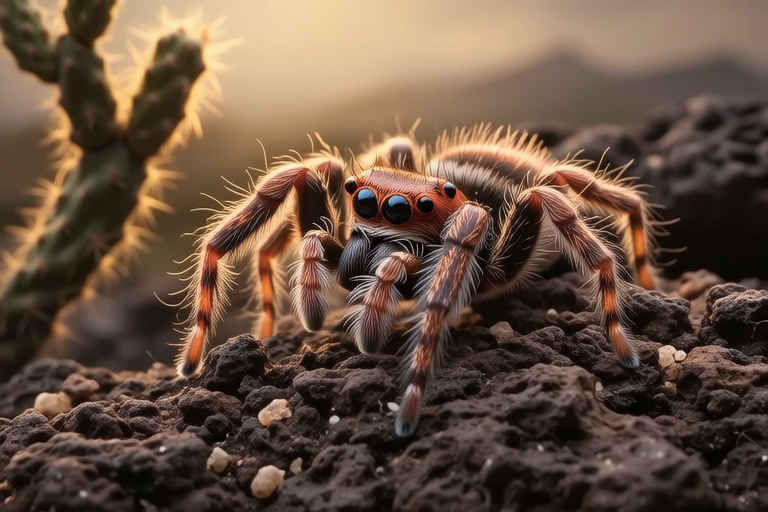
Chilean Rose Tarantulas: The Ultimate Guide for Beginners
Welcome to the fascinating world of tarantulas! If you’re a first-time spider owner, the Chilean rose tarantula (Grammostola rosea) is an excellent choice. Known for their docile temperament and vibrant pinkish-brown coloration, these spiders are popular among beginners. This guide will cover everything you need to know about Chilean rose tarantulas, from basic care requirements to handling tips.
Basic Care Requirements
Understanding the basic needs of your Chilean rose tarantula is crucial for its well-being. These arachnids are native to dry, arid regions of South America, so replicating their natural habitat is key.
- Temperature: Maintain temperatures between 75°F and 85°F (24°C to 29°C). Avoid extremes as they can stress the spider.
- Humidity: Keep humidity levels at around 60%. A small water dish can help maintain this level, but avoid over-saturating the substrate.
- Substrate: Use a mix of coconut fiber and vermiculite or potting soil. This mixture provides good drainage and retains moisture.
Habitat Setup
Your tarantula’s enclosure should be secure, spacious, and mimic its natural environment. Here’s how to set up the perfect habitat:
- Size: A 10-gallon tank is suitable for an adult. Ensure the enclosure has enough space for the tarantula to move around comfortably.
- Decorations: Add a few hiding spots like cork bark or small caves. These provide security and aid in molting.
- Circulation: Ensure proper ventilation by drilling small holes or using a screen top. Avoid direct sunlight, which can raise temperatures too high.
Feeding Habits
Chilean rose tarantulas are carnivorous and require a diet of live insects. Feed them once or twice a week with appropriately sized prey such as crickets, mealworms, or dubia roaches.
- Prey Size: The prey should be no larger than the width of the tarantula’s abdomen to prevent injury.
- Variety: Offer a variety of prey items to ensure balanced nutrition.
- Water: Provide a shallow water dish for hydration. Change it regularly to prevent mold growth.
Health Concerns
Like any pet, tarantulas can face health issues. Regular monitoring helps catch problems early. Common issues include mites, regurgitation, and dehydration.
- Mites: Look for tiny red or black specks on the spider or in the enclosure. Treat with diatomaceous earth or a vet-recommended product.
- Regurgitation: If the spider vomits up its food, it may be stressed or ill. Consult a veterinarian specializing in exotic pets.
- Dehydration: Monitor the water dish and substrate moisture levels. Dehydrated tarantulas may have wrinkled skin.
Common Myths
There are several misconceptions about tarantulas that could lead to poor care practices. Let’s debunk some of these myths:
- Myth 1: All tarantulas are aggressive. In reality, Chilean rose tarantulas are quite docile and rarely bite.
- Myth 2: Tarantulas don’t need water. While they get most of their moisture from their prey, a water source is still necessary.
- Myth 3: Tarantulas are poisonous and dangerous. Their venom is mild and poses little threat to humans.
Tips for Handling
Handling your tarantula requires patience and caution. Here are some tips to make the experience safe and enjoyable:
- Use Tongs: Always use long-handled tongs to handle your tarantula. This minimizes the risk of accidental bites and ensures safety.
- Frequency: Handle your tarantula infrequently, as excessive handling can cause stress.
- Environment: Only handle your tarantula in a safe, controlled environment to prevent falls or escapes.
Conclusion
Owning a Chilean rose tarantula is a rewarding experience that comes with great responsibility. By understanding their care requirements, setting up a suitable habitat, and addressing potential health concerns, you can ensure your tarantula thrives. Remember, patience and respect are key when interacting with these magnificent creatures. Happy tarantula keeping!
