The Hotot Rabbit: A Mini Guide to Caring for This Precious Pet
Introduction: The Unique Appearance and Characteristics of Hotot Rabbits
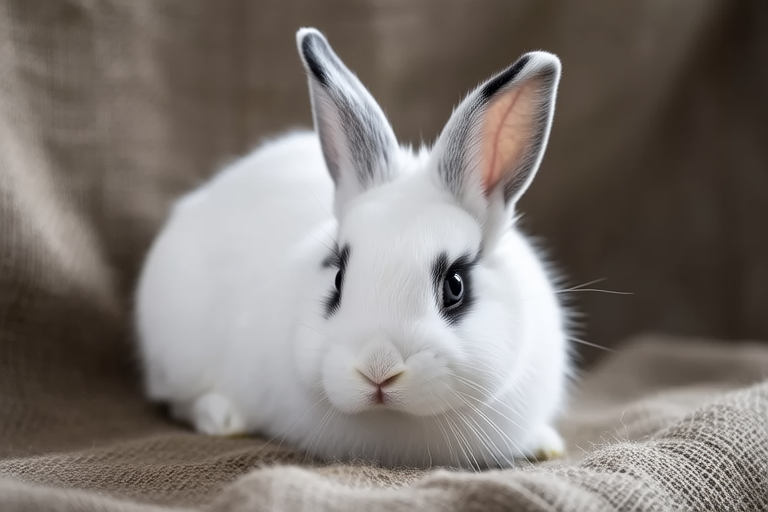
Welcome to the world of Hotot rabbits, a breed known for its striking appearance and charming personality. With their pure white fur and distinctive black rings around their eyes, these rabbits are often compared to adorable little owls. Their compact size, typically ranging from 3 to 4 pounds, makes them ideal pets for those with limited space. Hotots are also known for their gentle demeanor and affectionate nature, making them excellent companions for families and individuals alike.
Originating from France, the Hotot rabbit was developed by Eugenie Bernhard during the early 20th century. Her goal was to create a rabbit with a completely white body and contrasting eye rings, a trait that has become one of the breed’s most recognizable features. These rabbits have a dense, glossy coat that requires regular grooming to maintain its beauty and health.
Optimal Housing Conditions
Cage Size
Providing adequate living space is crucial for the well-being of your Hotot rabbit. A spacious cage allows your pet to move around freely and prevents the onset of behavioral problems associated with confinement. The minimum recommended cage size for a Hotot rabbit is approximately 24 inches long, 24 inches wide, and 18 inches high. However, if possible, opt for a larger enclosure to give your rabbit more room to stretch and play.
Bedding Material
Selecting the right bedding is essential for maintaining a clean and comfortable environment for your Hotot rabbit. Avoid cedar and pine shavings as they can be harmful due to their aromatic oils. Instead, opt for paper-based bedding or recycled newspaper products, which are safer and more absorbent. Straw or hay can also be used, but ensure it is free from dust and mold. Regularly changing the bedding will help prevent odor and keep your rabbit’s living area hygienic.
Environmental Enrichment
To promote mental stimulation and physical activity, incorporate toys and accessories into your Hotot rabbit’s habitat. Chew toys made from safe materials such as untreated wood or cardboard can help satisfy your rabbit’s natural chewing instincts. Additionally, tunnels, platforms, and hideouts provide opportunities for exploration and hiding, enriching their daily experiences. Rotating toys every few weeks can help maintain interest and prevent boredom.
Dietary Needs
Hay
A balanced diet is key to keeping your Hotot rabbit healthy and happy. Fresh, high-quality hay should form the foundation of their diet. Timothy hay is highly recommended as it aids in digestion and supports dental health. Alfalfa hay can be offered sparingly, especially to younger rabbits, but should be limited for adult rabbits due to its higher calcium content.
Fresh Vegetables
Incorporating a variety of fresh vegetables into your rabbit’s diet provides essential nutrients and vitamins. Safe options include dark leafy greens like romaine lettuce, kale, and spinach. Carrot tops, parsley, and dandelion greens are also beneficial. Introduce new vegetables gradually to monitor for any digestive upset. Limit the amount of fruits and starchy vegetables, as they are high in sugar and can lead to obesity and dental issues.
Pellets
Rabbit pellets offer a convenient source of concentrated nutrition. Look for high-fiber, low-calcium pellets specifically formulated for adult rabbits. Feed a measured amount each day, usually about 1/4 cup per 5 pounds of body weight. Overfeeding pellets can lead to obesity and other health problems, so always follow the manufacturer’s guidelines.
Grooming Tips
Maintaining your Hotot rabbit’s coat is important for both aesthetic reasons and the overall health of your pet. Regular brushing helps remove loose fur and prevents matting. Use a soft-bristled brush or a slicker brush designed for small animals. Pay special attention to areas where mats may form, such as behind the ears and around the neck.
Bathing your Hotot rabbit should be done infrequently, only when necessary, as over-bathing can strip natural oils from their skin. If you do need to bathe your rabbit, use a mild, unscented shampoo and ensure thorough rinsing to avoid skin irritation. After bathing, gently towel dry your rabbit and place them in a warm, draft-free area until fully dry.
Common Health Issues and Signs of Illness
Like all pets, Hotot rabbits are susceptible to certain health issues. Common problems include dental diseases, respiratory infections, and gastrointestinal disorders. Regular veterinary check-ups can help catch these issues early and prevent complications.
Signs of illness to watch for include changes in appetite, lethargy, diarrhea, sneezing, or discharge from the nose or eyes. If you notice any of these symptoms, consult a veterinarian immediately. Prompt treatment can make a significant difference in your rabbit’s recovery.
Social Interaction and Exercise Requirements
Hotot rabbits thrive on social interaction and enjoy spending time with their human companions. Spend quality time with your rabbit through play, grooming, and simply being nearby. This bond not only strengthens your relationship but also contributes to their emotional well-being.
Exercise is vital for maintaining your rabbit’s physical health and preventing obesity. Allow your rabbit supervised out-of-cage time daily, providing opportunities for hopping, exploring, and playing. Ensure the area is rabbit-proofed to prevent accidents or ingestion of harmful objects.
The Importance of Spaying or Neutering
Spaying or neutering your Hotot rabbit offers numerous benefits beyond population control. It reduces the risk of certain cancers and behavioral issues, such as aggression and unwanted breeding behaviors. Consult with your veterinarian to determine the appropriate age for this procedure and ensure it is performed by a qualified professional.
