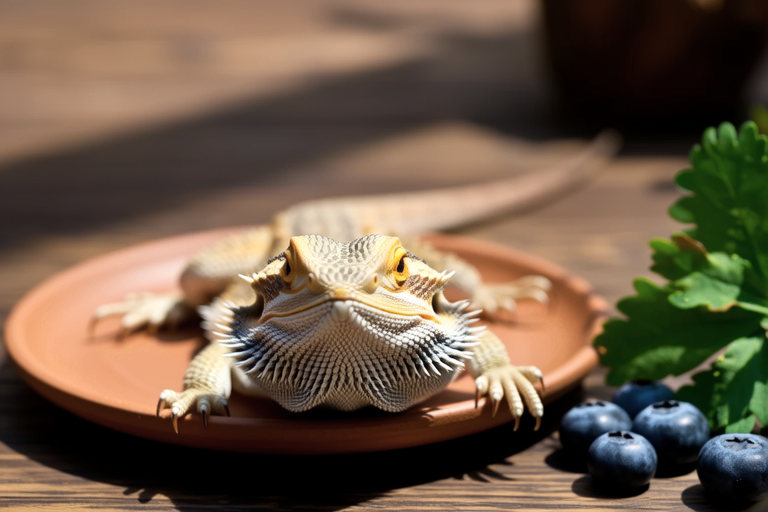
7 Ingenious Tips for Bonding with Your Bearded Dragon Like a Pro!
Welcome to the fascinating world of bearded dragon ownership! These captivating creatures are not just pets; they can become cherished companions if you know how to connect with them. Building a strong bond with your bearded dragon takes time, patience, and consistent effort. In this article, we will explore seven ingenious tips that will help you strengthen your relationship with your scaly friend and ensure a lifetime of enjoyable interactions.
1. Create a Stimulating Environment
The first step towards bonding with your bearded dragon is creating a comfortable and enriching habitat. A well-designed enclosure can make all the difference in your pet’s happiness and health. Start by ensuring your bearded dragon has enough space to move around comfortably. A tank that is too small can lead to stress and behavioral issues. For a juvenile bearded dragon, a 20-gallon tank is usually sufficient, but as they grow, they will need a larger space, ideally 40 gallons or more.
In addition to size, the enclosure should mimic the natural environment of a bearded dragon. Include a variety of climbing branches, rocks, and hiding spots to stimulate exploration and provide security. You can also add live or artificial plants to create a more vibrant and engaging environment. Remember, bearded dragons are crepuscular animals, meaning they are most active during twilight hours. Provide a UVB light source and a heat lamp to replicate the sun’s rays, which are crucial for their health and wellbeing.
For example, consider adding a large rock near the heat lamp where your bearded dragon can bask. This not only provides a warm spot but also mimics the behavior of basking in the wild. Additionally, a shallow water dish should always be available for drinking and occasional soaking, which can help with shedding and maintaining hydration.
2. Handle with Care: Gentle and Consistent Touch
Handling your bearded dragon is one of the best ways to build trust and strengthen your bond. However, it’s essential to approach this interaction with care and respect for your pet’s comfort. Always wash your hands before handling to avoid transferring any harmful bacteria. When picking up your bearded dragon, support its entire body with both hands, gently lifting from below. Never grab your pet by the tail, as this can cause injury.
Start with short handling sessions, gradually increasing the duration as your bearded dragon becomes more comfortable. Be patient and consistent; some bearded dragons may take longer to adjust than others. If your pet shows signs of stress, such as puffing out its beard or flattening its body, it’s best to stop and try again another day. Over time, gentle and regular handling will help your bearded dragon associate you with positive experiences.
Consider wearing gloves when handling your bearded dragon, especially if it’s still adjusting. Gloves can provide a sense of security for your pet while protecting your skin from potential bites or scratches. As your bearded dragon becomes more comfortable, you can gradually transition to handling without gloves.
3. Feed Interactions: A Bonding Opportunity
Feeding time is an excellent opportunity to bond with your bearded dragon. Offer food directly from your hand or use feeding tongs to encourage your pet to associate you with positive experiences. Bearded dragons are primarily insectivores and herbivores, so their diet consists of insects like crickets and mealworms, along with leafy greens and vegetables.
When feeding your bearded dragon, speak softly and calmly to create a soothing atmosphere. Over time, your pet may start recognizing your voice and even responding to it. You can also offer treats, such as small pieces of fruit or vegetables, as rewards during training sessions. This not only strengthens the bond but also reinforces positive behaviors.
For instance, you could offer a piece of kale or a small cricket while speaking gently to your bearded dragon. Over time, your pet may start associating these interactions with positive feelings, making feeding time a special moment for both of you.
4. Enrichment Activities: Keep Them Engaged
Providing mental stimulation is just as important as physical exercise for your bearded dragon. Enrichment activities can help keep your pet engaged and prevent boredom, leading to a happier and healthier companion. One simple way to provide enrichment is through foraging. Hide food items within the enclosure, encouraging your bearded dragon to search for its meals. This mimics the hunting behavior of wild bearded dragons and can be both mentally and physically stimulating.
You can also introduce puzzle feeders or toys designed specifically for reptiles. These devices challenge your pet to work for its food, promoting problem-solving skills and reducing stress. Another idea is to rearrange the enclosure periodically, offering new climbing structures or hiding spots. This change in environment can spark curiosity and excitement, keeping your bearded dragon engaged and entertained.
For example, you could place a few crickets in different areas of the enclosure and let your bearded dragon hunt them down. Alternatively, you might introduce a new climbing branch or hide a favorite toy under a rock, encouraging your pet to explore and discover.
5. Understanding Body Language: Speak Their Language
To effectively bond with your bearded dragon, it’s crucial to understand its body language. Bearded dragons communicate through various physical cues, and learning to interpret these signals can help you respond appropriately and build trust. One common behavior is puffing out the beard when feeling threatened or stressed. If you notice your pet puffing its beard, it’s best to give it some space and reassess the situation later.
Another sign of stress is darkening the color of the beard, which can range from black to dark brown. Conversely, a relaxed and happy bearded dragon may display bright colors and smooth skin. Pay attention to these subtle cues and adjust your interactions accordingly. By respecting your pet’s boundaries and responding to its needs, you’ll foster a stronger and more trusting relationship.
For example, if your bearded dragon puffs out its beard when you enter the room, it might be a good idea to sit quietly nearby instead of immediately reaching in to handle it. Over time, your presence alone will become less stressful, and your pet will likely become more comfortable with you.
6. Set a Routine: Predictability and Comfort
Bearded dragons thrive on routine and predictability. Establishing a consistent schedule for feeding, handling, and enrichment activities can help your pet feel secure and comfortable. Stick to a regular feeding schedule, offering fresh food at the same time each day. This consistency will not only benefit your bearded dragon’s digestive system but also help it anticipate and look forward to feeding times.
Similarly, set aside specific times for handling and enrichment activities. This routine will allow your pet to become accustomed to these interactions and associate them with positive experiences. Be sure to maintain a consistent lighting schedule as well, ensuring your bearded dragon has access to UVB light and heat during appropriate daylight hours.
For instance, you could feed your bearded dragon every morning at 9 AM, followed by a brief handling session at noon. In the evening, you might engage in an enrichment activity, such as hiding treats around the enclosure. By sticking to this routine, your pet will learn to trust and look forward to these daily interactions.
7. Provide Adequate Healthcare: Preventive Measures
Finally, providing proper healthcare is essential for maintaining a healthy and happy bearded dragon. Regular veterinary check-ups are crucial for early detection and treatment of potential health issues. Choose a veterinarian who specializes in reptiles or exotic pets to ensure your bearded dragon receives the best possible care.
In addition to professional care, there are several preventive measures you can take at home. Monitor your pet’s weight regularly and adjust its diet as needed. Keep the enclosure clean and free of debris, and replace substrate as necessary. Regularly check for signs of parasites or infections, such as runny stool, lethargy, or loss of appetite. Address any concerns promptly to prevent minor issues from becoming more serious problems.
For example, if you notice your bearded dragon has stopped eating or is showing signs of discomfort, it’s important to consult a veterinarian right away. Early intervention can make all the difference in ensuring your pet’s health and wellbeing.
Conclusion
Bonding with your bearded dragon requires time, patience, and consistent effort. By following these seven tips—creating a stimulating environment, handling with care, engaging in feeding interactions, providing enrichment activities, understanding body language, setting a routine, and ensuring adequate healthcare—you can build a strong and lasting relationship with your scaly friend. Remember, every bearded dragon is unique, and what works for one may not work for another. Stay observant, adapt your approach as needed, and most importantly, enjoy the journey of getting to know your bearded dragon better.
