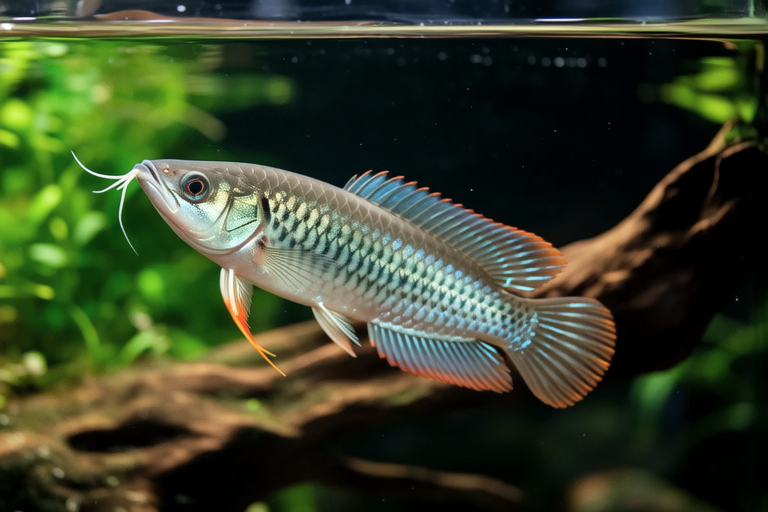
Arowana Ownership Unveiled: Expert Tips for Thriving Fishkeeping
Welcome to the fascinating world of arowana ownership! Known for their striking appearance and regal demeanor, these fish are a popular choice among enthusiasts. However, their care requires a deep understanding of their needs and preferences. This guide will provide you with expert tips to ensure your arowana thrives in its environment.
Tank Setup: Creating the Perfect Habitat
The first step in arowana ownership is setting up the right tank. Arowanas are large, active fish that require ample space to swim freely. A minimum tank size of 250 gallons is recommended for a single adult arowana. Larger tanks are ideal if you plan to keep multiple arowanas or other compatible species.
Water quality is crucial. Use a robust filtration system capable of handling the high bioload generated by these fish. Regular water changes and efficient biological filtration are necessary to maintain water clarity and stability. Additionally, consider incorporating a strong air pump to ensure adequate oxygenation.
Decorations should be minimal but functional. Provide hiding spots such as caves or driftwood to reduce stress. Ensure there are no sharp edges or small spaces where the arowana could get injured. A smooth substrate is preferable, as it reduces the risk of injury and makes cleaning easier.
Water Parameters: Ensuring Optimal Conditions
Maintaining the correct water parameters is vital for arowana health. Aim for a pH level between 6.5 and 7.5, and a temperature range of 78°F to 84°F (25°C to 29°C). Conduct regular water tests to monitor levels of ammonia, nitrite, and nitrate. Ammonia and nitrite should always be at zero, while nitrates should be kept below 20 ppm.
Soft, slightly acidic water is preferred, but arowanas can adapt to harder, more alkaline conditions. Gradually acclimate them to new water parameters to prevent stress and potential health issues. For example, when moving from a store to your home tank, allow the fish to adjust over several days by gradually mixing old and new water.
Diet: Nourishing Your Arowana
Arowanas are carnivorous and require a balanced diet rich in protein. Their natural diet includes insects, smaller fish, and crustaceans. In captivity, feed them a variety of foods, including frozen or live prey items like bloodworms, brine shrimp, and feeder fish. Some owners also incorporate specialized pellets designed for predatory fish.
Feed your arowana two to three times daily, offering as much food as they can consume within five minutes. Overfeeding can lead to poor water quality and obesity. It’s important to observe your fish’s eating habits to ensure they’re getting enough nutrition without becoming overweight.
Behavior: Understanding Your Arowana
Arowanas are known for their intelligence and interactive behavior. They can recognize their caretakers and may even beg for food. This interaction can make them a rewarding addition to your aquarium. However, their territorial nature means they can become aggressive towards other fish, especially during feeding time.
Some arowanas exhibit jumping behavior, which can be both amusing and concerning. To prevent injuries, cover the tank with a secure lid. This also helps maintain humidity levels, which can benefit the fish’s respiratory system.
Common Health Issues: Keeping Your Arowana Healthy
Like any pet, arowanas are susceptible to various health issues. Common problems include fin rot, bacterial infections, and parasites. Regular observation can help catch these issues early, allowing for prompt treatment. If you notice signs of illness, consult a veterinarian specializing in aquatic animals.
One common issue is Ichthyophthirius multifiliis, commonly known as ich. This parasitic infection causes white spots on the fish’s body. Treating ich typically involves raising the tank temperature and adding salt to the water. Always follow veterinary advice for the best results.
Breeding: A Rewarding Challenge
Breeding arowanas can be a challenging but rewarding endeavor. They are mouthbrooders, meaning the male carries the eggs in his mouth until they hatch. Breeding requires specific environmental conditions, including appropriate water parameters and a suitable pair.
Expert aquarist Sarah Johnson shares her experience, “Breeding arowanas is a delicate process. You need to ensure the water is pristine and the fish are in optimal health. Patience is key; it took us six months of careful preparation before our first successful spawn.”
Tank Mates Compatibility: Finding the Right Companions
Selecting tank mates for your arowana requires careful consideration. Due to their size and temperament, they are best kept alone or with similarly sized, non-aggressive species. Some compatible options include large catfish, pacus, and certain cichlids.
It’s important to avoid keeping arowanas with smaller, more timid fish, as they may become prey. Additionally, fish with long, flowing fins can be at risk due to the arowana’s tendency to chase and nip.
Maintenance Tips: Keeping Your Aquarium Thriving
Regular maintenance is essential for a healthy arowana. Perform weekly water changes, typically around 10-20% of the total volume, to remove waste and replenish beneficial bacteria. Clean filters regularly to prevent clogging and ensure proper water circulation.
Monitor equipment for wear and tear, replacing parts as needed. Regularly check for algae growth and remove it promptly. A clean tank promotes better water quality and reduces stress on your fish.
Conclusion: Embrace the Journey of Arowana Ownership
Owning an arowana is a commitment that comes with great rewards. By providing the right environment, diet, and care, you can ensure your arowana leads a long, healthy life. Remember, every fish is unique, so observe your arowana closely to understand its individual needs.
With this guide, you’re well-equipped to embark on the journey of arowana ownership. Enjoy the beauty and intelligence of these magnificent creatures, and remember, patience and dedication are key to thriving fishkeeping.
