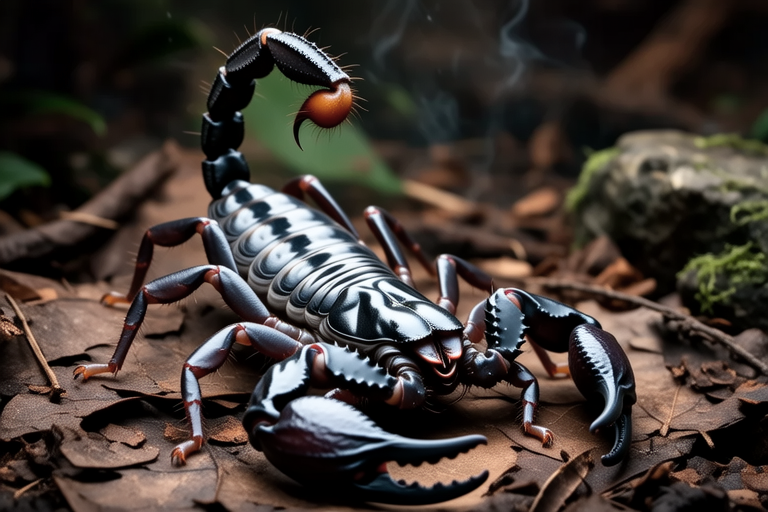
Living with Heterometrus Spinifer: Insights from Expert Owners
When you bring a Heterometrus Spinifer, commonly known as a giant forest scorpion, into your home, you embark on a journey that requires careful attention and dedication. This article provides insights from expert owners on housing, diet, handling, and common health issues for these fascinating creatures. We will also explore unique care tips, debunk common myths, and share personal experiences to ensure you are well-prepared for this rewarding pet ownership.
The Basics of Housing Your Heterometrus Spinifer
Creating the right environment for your Heterometrus Spinifer is crucial for its health and happiness. These scorpions require a terrarium that mimics their natural habitat. A glass or plastic tank with a secure lid is ideal. The enclosure should be spacious, allowing the scorpion ample room to move around and climb. A substrate of coconut fiber or bark chips works best, providing a natural feel and helping to maintain humidity levels.
Temperature and humidity are key factors in creating a comfortable environment. Heterometrus Spinifer thrive in temperatures between 75°F and 85°F (24°C to 29°C). Humidity should be kept at around 70-80%. Use a hygrometer to monitor humidity levels and a thermometer to check the temperature. A shallow water dish should be provided for drinking and maintaining hydration. Ensure the water is fresh and changed regularly to prevent bacterial growth.
Scorpions are nocturnal, so they need hiding spots to retreat during the day. Logs, cork bark, and artificial plants offer safe spaces for your pet to rest and feel secure. Proper ventilation is also essential to avoid condensation buildup, which can lead to respiratory issues.
Diet and Feeding Tips for Heterometrus Spinifer
Feeding your Heterometrus Spinifer a balanced diet is vital for its overall health. These scorpions are carnivorous and primarily feed on insects such as crickets, mealworms, and dubia roaches. It’s important to offer a variety of prey items to ensure a broad spectrum of nutrients. Feed your scorpion every 1-2 weeks, depending on its size and activity level. Younger scorpions may require more frequent feeding.
Before feeding, it’s advisable to gut-load the insects with nutritious foods like vegetables and fruits. This practice ensures that the prey items are rich in vitamins and minerals, contributing to better nutrition for your scorpion. Always offer food in a shallow dish or directly onto the substrate to avoid accidental injury to the scorpion.
Monitoring your scorpion’s eating habits can provide valuable insights into its health. A healthy appetite is usually a good sign, but sudden changes in feeding behavior could indicate underlying health issues. If you notice any unusual patterns, consult with a veterinarian who specializes in exotic pets.
Handling and Interaction with Heterometrus Spinifer
While Heterometrus Spinifer can make wonderful pets, they are not meant for frequent handling. Their venom, though generally not life-threatening to humans, can cause localized pain and swelling. Always handle your scorpion with care and respect. Use long-handled tongs or gloves to minimize direct contact.
When interacting with your scorpion, keep movements slow and deliberate to avoid startling it. Scorpions have sensitive sensory organs, and sudden movements can trigger defensive behaviors. Handling should be limited to necessary tasks, such as cleaning the enclosure or transferring the scorpion to another container for observation.
It’s important to establish trust with your scorpion over time. Regular, gentle interactions can help your pet become more accustomed to your presence. However, always prioritize the safety and comfort of your scorpion. Never force interaction if it appears stressed or agitated.
Common Health Issues and Prevention
Heterometrus Spinifer are generally hardy animals, but they can still face health challenges. One common issue is dehydration, which can occur if the humidity levels in the enclosure drop too low. Signs of dehydration include lethargy, sunken eyes, and a lack of mobility. Ensuring proper humidity and providing a clean water source can prevent this problem.
Respiratory infections can also affect scorpions, especially if the enclosure becomes too humid or poorly ventilated. Symptoms include labored breathing, mucus discharge, and reduced activity. Maintaining appropriate temperature and humidity levels, along with good ventilation, can help prevent these infections.
Parasites, particularly mites, can infest enclosures and harm your scorpion. Regularly inspect the enclosure and your scorpion for signs of infestation. If you suspect parasites, consult a veterinarian for treatment options. Keeping the enclosure clean and free from debris is the best defense against parasites.
Unique Care Tips for Heterometrus Spinifer
One unique aspect of caring for Heterometrus Spinifer is the importance of environmental enrichment. Providing climbing structures, varied substrates, and hiding spots can stimulate your scorpion’s natural behaviors and promote mental and physical health. Rotate these items periodically to keep the environment interesting and engaging.
Another tip is to maintain a regular schedule for feeding and maintenance tasks. This routine helps your scorpion feel secure and establishes a predictable environment. Additionally, consider keeping a journal to track your scorpion’s growth, feeding habits, and health status. This record can be invaluable for monitoring its well-being over time.
Myths Debunked
There are several myths surrounding Heterometrus Spinifer that can cause unnecessary worry for new owners. One common myth is that scorpions are aggressive and prone to attacking humans. While they can defend themselves when threatened, they are generally calm and docile pets. Another misconception is that all scorpions are dangerous to humans. While their venom can cause discomfort, most species pose little threat to human health.
Some believe that scorpions require constant light to survive. In reality, they are nocturnal creatures and benefit from a dark environment during the day. Providing a photoperiod that mimics natural cycles can help regulate their biological rhythms.
Personal Experiences from Expert Owners
Many owners have shared their experiences with Heterometrus Spinifer, offering valuable insights and advice. One owner, Sarah, emphasizes the importance of patience when introducing new elements to the enclosure. “I learned the hard way that rushing the process can stress out your scorpion,” she says. “Take your time and let them adjust to each change gradually.”
Another owner, Mike, highlights the joy of watching his scorpion’s natural behaviors. “Seeing my scorpion hunt and eat is one of the most fascinating things I’ve ever witnessed,” he shares. “It’s a reminder of how incredible these creatures are.”
Expert owners recommend joining online communities dedicated to exotic pets. These groups provide a wealth of information, support, and encouragement for both new and experienced owners.
Safety and Responsibility in Pet Ownership
As a responsible pet owner, it’s essential to prioritize the safety and well-being of your Heterometrus Spinifer. This includes providing a suitable environment, offering a balanced diet, and ensuring regular veterinary care. Always research and understand the specific needs of your pet before bringing it home.
Additionally, be mindful of the potential risks associated with owning venomous animals. Keep your scorpion’s enclosure in a secure location, away from children and other pets. Educate yourself and others about the proper handling techniques and safety precautions.
By following these guidelines and staying informed, you can enjoy a fulfilling and rewarding relationship with your Heterometrus Spinifer. Remember, with great responsibility comes great reward. Your dedication and care will ensure a happy and healthy life for your scorpion.
