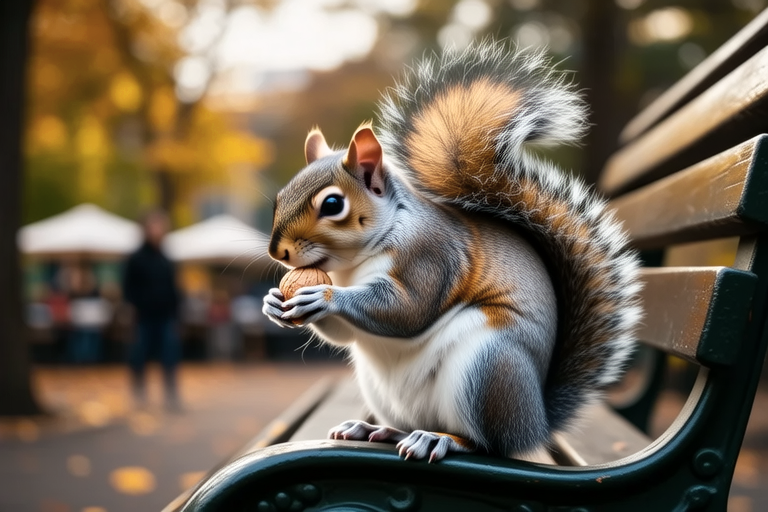
Adorable or Annoying? The Debate Over Urban Squirrels Heats Up Online
The presence of urban squirrels has sparked a heated debate among city dwellers, wildlife experts, and environmentalists. These small mammals have become a common sight in many urban areas, creating both amusement and annoyance. While some find them charming and beneficial to the ecosystem, others view them as pests that cause damage to gardens and pose safety risks.
The Benefits of Urban Squirrels
Wildlife experts argue that urban squirrels contribute significantly to biodiversity. They play a crucial role in seed dispersal, helping to regenerate native plant species and maintaining the balance of local ecosystems. Additionally, these animals provide a form of entertainment for city dwellers, offering moments of joy and wonder amidst the hustle and bustle of urban life.
The Challenges Posed by Urban Squirrels
Despite their ecological benefits, urban squirrels also present challenges. One major issue is their tendency to raid gardens, causing significant damage to flowers, vegetables, and other plants. This behavior can be particularly frustrating for those who have invested time and effort into cultivating their green spaces. Moreover, squirrels can pose safety concerns, especially when they build nests near power lines or electrical equipment, increasing the risk of fires and power outages.
Online Discussions and Social Media Trends
The debate over urban squirrels has gained traction on social media platforms, with users sharing their experiences and opinions. Some posts celebrate the playful antics of squirrels, while others highlight the nuisance they can cause. Hashtags such as #SquirrelWar and #SquirrelHate have been used to rally supporters on either side of the argument. These online discussions reflect the diverse range of emotions and perspectives surrounding urban squirrels.
Perspectives from Wildlife Experts
Wildlife experts emphasize the importance of understanding the role of urban squirrels in maintaining healthy ecosystems. They suggest that rather than viewing squirrels as pests, we should appreciate their contribution to urban biodiversity. However, they acknowledge the need for management strategies that address the challenges posed by these animals without compromising their ecological value.
Perspectives from City Dwellers
City dwellers’ opinions on urban squirrels vary widely. Many residents enjoy watching squirrels scurry around parks and public spaces, finding them endearing and entertaining. Others, however, express frustration over the damage caused to their gardens and property. Some even report incidents where squirrels have entered homes, leading to heightened concerns about safety.
Perspectives from Environmentalists
Environmentalists advocate for a balanced approach to managing urban squirrel populations. They argue that it is essential to protect these animals while addressing the issues they create. Potential solutions include implementing humane deterrents, such as motion-activated sprinklers or repellent sprays, to discourage squirrels from entering certain areas. Additionally, creating designated feeding stations can help reduce conflicts between squirrels and humans.
Potential Solutions for Managing Urban Squirrel Populations
To manage urban squirrel populations effectively, a multi-faceted approach is necessary. This could involve:
- Education: Raising awareness about the ecological benefits of urban squirrels and teaching residents how to coexist with them safely.
- Habitat Modification: Creating suitable habitats for squirrels away from residential areas, thereby reducing conflicts.
- Deterrents: Using humane methods to deter squirrels from entering unwanted areas.
- Feeding Stations: Establishing designated feeding stations to encourage squirrels to stay in specific locations.
By adopting these strategies, cities can strike a balance between protecting urban squirrels and minimizing the disruptions they cause.
Conclusion
The debate over urban squirrels highlights the complex relationship between humans and wildlife in urban environments. While these animals offer numerous benefits, including contributions to biodiversity and entertainment, they also present challenges that require thoughtful management. By fostering a deeper understanding of urban squirrels and implementing effective solutions, we can ensure their continued presence in our cities while mitigating any negative impacts.
