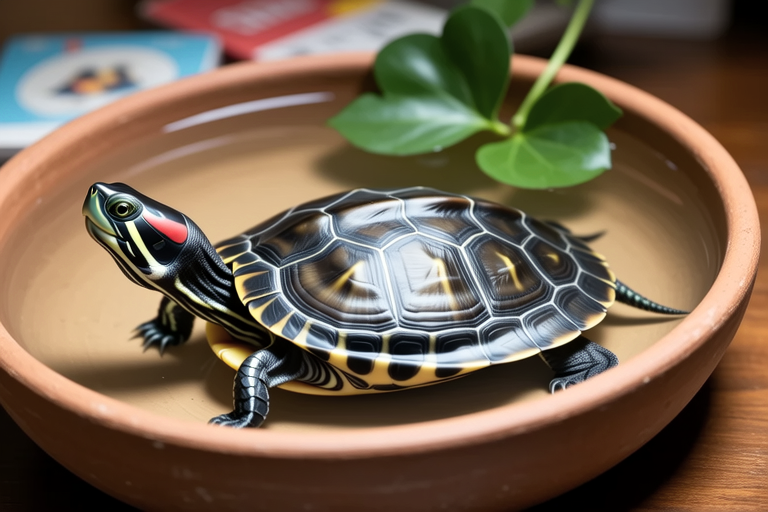
Debunking Common Myths Surrounding Red-Eared Sliders
Red-eared sliders (Trachemys scripta elegans) are among the most popular pet turtles in the world. Their striking appearance and relatively low maintenance have contributed to their popularity. However, there are several misconceptions about these reptiles that can lead to improper care and even endanger their health. This article aims to debunk some of the most common myths about red-eared sliders, providing accurate information to help pet owners understand the true nature of these animals and ensure they provide the best possible care.
Myth 1: Red-Eared Sliders Have a Short Lifespan
One of the most prevalent myths about red-eared sliders is that they only live for a few years. This misconception often leads to irresponsible pet ownership, as people may not realize the long-term commitment involved in owning one of these reptiles. In reality, red-eared sliders can live for decades when provided with proper care.
According to a study by Ernst and Lovich (2009), red-eared sliders can live up to 40 years in captivity. Factors such as diet, environment, and healthcare play crucial roles in determining their longevity. A well-maintained habitat and a balanced diet can significantly extend their lifespan.
Myth 2: Red-Eared Sliders Can Thrive in Small Tanks
Another widespread myth is that red-eared sliders can be kept in small tanks. While it’s true that hatchlings can start in smaller enclosures, adult red-eared sliders require much more space to thrive. These turtles are semi-aquatic, meaning they spend part of their time in water and part on land.
The recommended minimum tank size for an adult red-eared slider is at least 75 gallons. According to Highfield (2002), the ideal setup should provide ample swimming space and a dry basking area. A larger tank allows for better water quality management and reduces stress, which is essential for their overall health.
Myth 3: Red-Eared Sliders Eat Anything
It’s commonly believed that red-eared sliders will eat anything they’re offered. While these turtles are omnivorous, their diet should be carefully managed to ensure they receive the necessary nutrients for optimal health. A balanced diet is crucial for preventing nutritional deficiencies and related health issues.
The diet of a red-eared slider should consist primarily of commercial turtle pellets, supplemented with fresh vegetables, fruits, and occasional protein sources like insects or fish. According to Halliday and Adler (2002), feeding them a variety of appropriate foods helps maintain their digestive health and supports shell growth.
Myth 4: Red-Eared Sliders Don’t Need UVB Lighting
Some believe that red-eared sliders don’t need UVB lighting because they are aquatic animals. However, this couldn’t be further from the truth. UVB light is essential for red-eared sliders as it helps them synthesize vitamin D3, which is crucial for calcium absorption and bone health.
A study by Baines et al. (2013) found that turtles housed without UVB lighting exhibited signs of metabolic bone disease, a condition characterized by softening of the bones due to inadequate calcium absorption. Providing UVB lighting, along with a calcium-rich diet, ensures that these turtles maintain strong, healthy shells.
Myth 5: Red-Eared Sliders Are Low-Maintenance Pets
Red-eared sliders are often marketed as low-maintenance pets, leading potential owners to underestimate the commitment required. While they may appear easy to care for, maintaining a healthy environment for these turtles requires regular attention and effort.
Maintaining water quality is paramount. The water in their tank must be regularly filtered and changed to prevent bacterial growth and ammonia buildup, which can be harmful to the turtles. Additionally, cleaning the basking area and ensuring proper ventilation are essential for their overall well-being.
Myth 6: Red-Eared Sliders Can Be Released into the Wild
Many people mistakenly believe that if they can no longer care for their red-eared slider, they can release it into local ponds or rivers. This practice poses significant risks to both the turtles and native wildlife.
Releasing captive-bred red-eared sliders into the wild can disrupt ecosystems and introduce diseases to native species. According to Ernst and Lovich (2009), these turtles can outcompete native species for resources and spread diseases that could decimate local populations. Instead, responsible pet owners should seek reputable rescue organizations or shelters to rehome their turtles.
Myth 7: Red-Eared Sliders Are Cold-Tolerant and Don’t Require Heating
While red-eared sliders are adaptable and can tolerate a range of temperatures, they still require specific environmental conditions to thrive. Maintaining the correct temperature gradient is vital for their metabolism, digestion, and overall health.
These turtles are ectothermic, meaning they rely on external sources of heat to regulate their body temperature. A temperature gradient within their enclosure, with warm basking areas and cooler water zones, allows them to thermoregulate effectively. According to Highfield (2002), maintaining a water temperature between 24°C and 28°C (75°F and 82°F) and a basking spot around 32°C (90°F) is ideal.
Myth 8: Red-Eared Sliders Don’t Require Social Interaction
Contrary to popular belief, red-eared sliders are social creatures that benefit from interaction with other turtles. While they are not typically known for social behaviors like mammals, they do exhibit preferences for certain companions.
Research by Burghardt et al. (1992) suggests that red-eared sliders housed with compatible individuals show reduced stress levels and improved overall health. However, introducing new turtles should be done cautiously to avoid aggression or stress-related illnesses.
Myth 9: Red-Eared Sliders Don’t Need Regular Veterinary Care
Some owners assume that since red-eared sliders are generally hardy animals, they don’t need regular veterinary check-ups. However, routine medical care is essential for early detection and prevention of health issues.
Veterinary visits should include physical examinations, blood tests, and evaluations of shell and skin health. Early intervention can prevent minor problems from becoming serious conditions. According to Halliday and Adler (2002), regular vet visits also allow for the administration of necessary vaccinations and treatments for parasites.
Conclusion
Understanding the true nature of red-eared sliders is crucial for responsible pet ownership. By dispelling these common myths and providing accurate information, we can ensure that these fascinating creatures receive the care they deserve. Owning a red-eared slider comes with a significant commitment, but with proper knowledge and dedication, it can be a rewarding experience. Always prioritize your turtle’s well-being and consult experts when needed to provide the best possible care.
