Colorful Companions: Discover the Charms of Rajah Cichlid in Your Aquarium
The world of freshwater aquariums is vast and varied, offering a plethora of choices for aquarists looking to add a splash of color and life to their homes. Among these choices, the Rajah cichlid stands out as a particularly captivating option. Known for its vibrant hues and unique behaviors, the Rajah cichlid, or Aequidens rivulatus, is a species that can bring both beauty and excitement to any aquarium. This article will guide you through the fascinating world of the Rajah cichlid, from understanding its natural habitat to replicating it in your home tank, and finally, providing tips for maintaining a healthy and thriving environment for this colorful companion.
An Introduction to the Rajah Cichlid
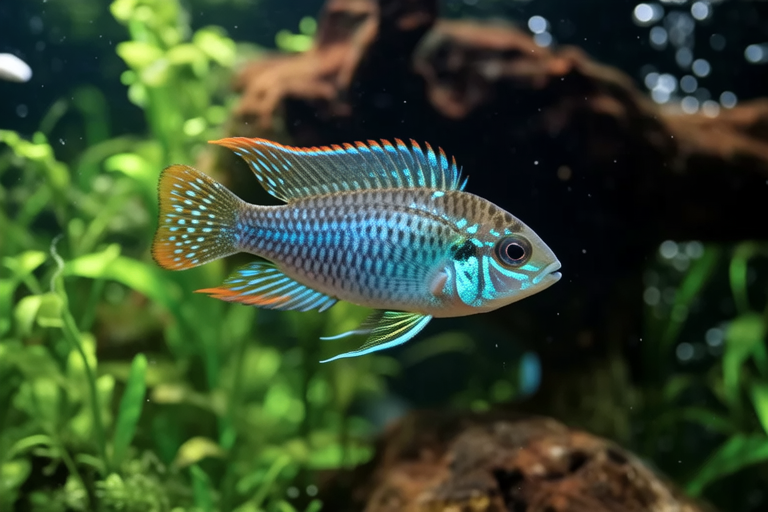
The Rajah cichlid is a striking fish, named after the vibrant colors that adorn its body. Males, in particular, exhibit a stunning array of blues, greens, and yellows, which contrast beautifully against their black spots. These colors are not only visually appealing but also serve important biological functions, such as attracting mates and intimidating rivals. Females are less brightly colored, often displaying shades of brown or gray, though they too have their own unique charm. The Rajah cichlid’s distinct appearance is complemented by its robust build, making it a formidable presence in any aquarium.
Natural Habitat and Tank Setup
To fully appreciate the Rajah cichlid, it’s essential to understand its natural habitat. Native to the Amazon Basin in South America, these fish thrive in warm, slow-moving waters filled with dense vegetation. To recreate this environment in your home aquarium, focus on creating a lush, plant-rich setting. Use driftwood, rocks, and caves to provide hiding spots and establish territorial boundaries. Additionally, ensure that the substrate mimics the soft, sandy bottom found in their natural environment.
Water parameters play a crucial role in ensuring the health and happiness of your Rajah cichlids. Maintain a temperature between 75°F and 82°F (24°C to 28°C) and keep the pH level between 6.0 and 7.5. Regular water changes are necessary to prevent the buildup of toxins and maintain optimal conditions. A filter capable of handling at least four times the volume of your tank per hour is recommended to ensure adequate water circulation and filtration.
When considering tank size, it’s important to remember that Rajah cichlids can grow up to 6 inches (15 cm) in length. For a single pair, a tank of at least 55 gallons (208 liters) is advisable. However, if you plan to house multiple pairs or include other fish, a larger tank will be necessary to accommodate their space requirements and reduce stress.
Diet Requirements and Feeding Habits
Rajah cichlids are omnivorous, meaning they require a balanced diet of both plant-based and protein-rich foods. In the wild, their diet consists of insects, small crustaceans, and algae. To replicate this in captivity, offer a variety of high-quality flake food, pellets, and frozen or live foods such as bloodworms, brine shrimp, and daphnia. It’s also beneficial to incorporate vegetables like spinach or blanched peas to provide essential nutrients and promote overall health.
Feeding habits of Rajah cichlids can be quite interesting. They are known to be active feeders, often engaging in competitive behavior during mealtime. It’s best to feed them several small meals throughout the day rather than one large feeding. This approach not only ensures that all individuals in the tank receive adequate nutrition but also helps prevent overfeeding, which can lead to water quality issues.
Behavioral Patterns and Interaction with Other Fish
Rajah cichlids are known for their active and sometimes aggressive behavior, especially when establishing territories or breeding. While they can coexist peacefully with other similarly sized, non-aggressive species, caution must be exercised when introducing new tankmates. It’s advisable to introduce new fish gradually and monitor interactions closely to avoid conflicts.
During breeding, Rajah cichlids exhibit fascinating parental care behaviors. Both parents participate in guarding the eggs and fry, protecting them from potential threats. This makes them excellent candidates for aquarists interested in breeding programs. However, breeding can also increase aggression within the tank, so it’s important to be prepared for the challenges this may present.
Tips for New Aquarists
Owning a Rajah cichlid can be a rewarding experience, but it also comes with its share of challenges. To ensure the health and well-being of your fish, start by researching thoroughly and preparing adequately. Understanding the specific needs of the Rajah cichlid will help you create a suitable environment and prevent common issues such as stress and disease.
Regular maintenance is key to maintaining a healthy aquarium. Perform weekly water changes, clean filters, and monitor water parameters closely. Additionally, provide ample hiding places and ensure there is enough space for each fish to establish its territory. By doing so, you’ll create a harmonious environment where your Rajah cichlids can thrive.
Finally, consider joining local or online communities of cichlid enthusiasts. Sharing experiences and advice with fellow aquarists can provide valuable insights and support as you navigate the joys and challenges of caring for these beautiful fish.
Conclusion
The Rajah cichlid is a vibrant and captivating addition to any freshwater aquarium. With its stunning colors, unique behaviors, and fascinating parental care, it offers both visual appeal and educational value. By understanding its natural habitat and replicating it in your home tank, you can provide a thriving environment for this colorful companion. While there are challenges involved in owning a Rajah cichlid, the rewards are well worth the effort. So, why not consider adding one to your aquarium and discover the charms of this remarkable fish?
