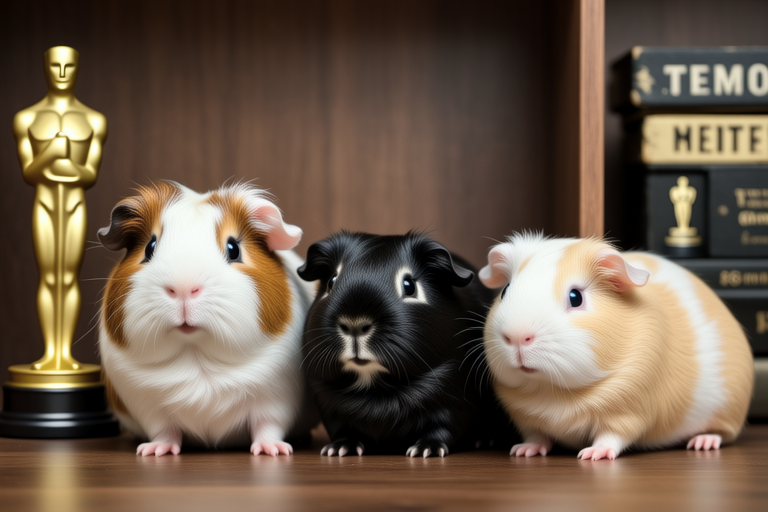
The Role of Guinea Pigs in Pop Culture
Guinea pigs have long been a beloved part of human society, serving as pets, test subjects, and even sources of food. However, their presence in pop culture extends far beyond these practical uses. Throughout history, guinea pigs have appeared in movies, TV shows, literature, and music, often symbolizing deeper themes such as companionship, sacrifice, and quirky uniqueness. This article explores the evolution of guinea pig portrayals in popular media and analyzes the cultural impact and underlying messages of these representations.
Early Appearances: Simple Pets
In the early days of cinema, guinea pigs were often portrayed as simple pets, much like they are today. In the 1931 film “Frankenstein,” the titular monster’s first act of kindness is to feed a guinea pig to a hungry dog. This scene, while shocking by modern standards, highlights the simplicity with which guinea pigs were viewed at the time – as passive creatures easily used by others. Similarly, in the 1960s sitcom “The Munsters,” Eddie, the family’s pet, is a mischievous guinea pig who causes trouble but is ultimately loved by his family. These early depictions show guinea pigs as innocent and lovable, albeit without much depth.
Symbolism and Themes: Companionship and Sacrifice
As time progressed, guinea pigs began to take on more complex roles in pop culture. In the 1980s children’s book series “The Tale of Despereaux,” a guinea pig named Despereaux embarks on an epic adventure to rescue a princess. Despereaux’s journey represents themes of bravery and companionship, as he faces numerous challenges to protect those he loves. This portrayal of guinea pigs as heroic figures marked a significant shift in how they were perceived in literature. Another example comes from the 1997 film “Men in Black,” where Agent K’s pet guinea pig, Henri, plays a crucial role in uncovering a conspiracy. Henri’s intelligence and loyalty to his owner highlight the theme of sacrifice, as he risks his life to help K.
Quirky Uniqueness: Modern Media
Today, guinea pigs are often portrayed as quirky and unique characters in modern media. The animated series “Pete the Cat” features a guinea pig named White Stripe, who is known for his adventurous spirit and love of music. White Stripe’s character embodies the theme of quirky uniqueness, as he stands out among the other animals in the series. Similarly, the 2011 film “Zookeeper” features a talking guinea pig named Melman, who helps the main character manage his zoo. Melman’s humorous and intelligent personality adds a layer of complexity to the film’s plot, further emphasizing the quirky nature of guinea pigs.
Music and Cultural Impact
Guinea pigs have also made notable appearances in music, particularly in the 1980s and 1990s. The punk rock band The Dead Milkmen released a song called “Punk Rock Happy Hour,” which includes a reference to guinea pigs. The lyrics mention “guinea pigs in the kitchen, dancing to the rhythm,” painting a vivid picture of these animals as lively and fun-loving creatures. This portrayal of guinea pigs in music reflects the broader cultural trend of the time, which emphasized individuality and rebellion against societal norms. Additionally, the song “Guinea Pig” by the British rock band The Cure explores themes of alienation and isolation, further deepening the symbolic representation of guinea pigs in music.
Implications for Real-World Attitudes
The evolving portrayal of guinea pigs in pop culture has had significant implications for real-world attitudes towards these animals. Early depictions of guinea pigs as passive and easily disposable creatures contributed to a lack of awareness about their needs and capabilities. However, as guinea pigs began to be portrayed as intelligent, loyal, and unique, public perception of these animals shifted. Today, many people view guinea pigs as loving companions rather than mere pets, leading to increased efforts to improve their living conditions and promote responsible ownership.
Analyzing Underlying Messages
Underlying messages in media representations of guinea pigs often reflect broader societal values and beliefs. For instance, the theme of sacrifice in “Men in Black” can be seen as a reflection of the importance placed on loyalty and selflessness in human relationships. Similarly, the quirky uniqueness of characters like White Stripe and Melman can be interpreted as a celebration of individuality and non-conformity. By analyzing these messages, we can gain insight into how different cultures perceive guinea pigs and what values they associate with these animals.
Conclusion
From simple pets to symbolic characters representing themes like companionship, sacrifice, or quirky uniqueness, guinea pigs have played a significant role in pop culture throughout history. Their evolving portrayal in movies, TV shows, literature, and music reflects changing societal values and beliefs, while also influencing real-world attitudes towards these animals. As we continue to explore the rich tapestry of guinea pig representations in popular media, it is important to consider the underlying messages and symbolism at play, and how these contribute to our understanding of these fascinating creatures.
