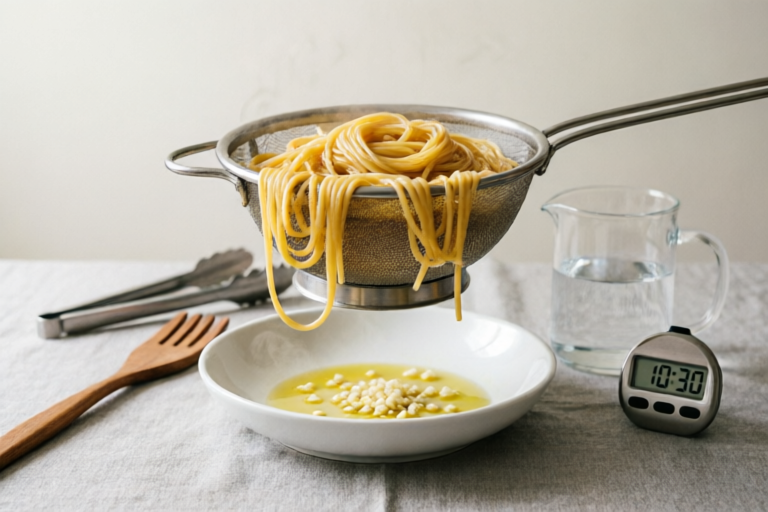
How to Make Perfect Pasta Every Time
Achieve Perfect Pasta Every Time
Introduction to Perfect Pasta Making
Pasta is a beloved staple in many cuisines around the world. Its versatility and adaptability have made it an integral part of culinary culture. Whether enjoyed as a simple side dish or as a complex main course, pasta has something to offer everyone. Mastering the art of making perfect pasta is not only rewarding but also a skill that can elevate your cooking game.
Selecting the Right Ingredients for Your Pasta
Choosing High-Quality Flour and Eggs
The foundation of any great pasta begins with the right ingredients. Opt for high-quality flour, such as semolina or durum wheat flour, which provides the necessary structure and texture. Fresh eggs are crucial for binding the dough and adding richness. For each cup of flour, use about two large eggs.
The Role of Water and Salt in Pasta Dough
Water helps activate the gluten in the flour, giving the dough its elasticity. Salt enhances the flavor and strengthens the dough, ensuring it holds together during cooking. Use about 1/2 teaspoon of salt per cup of flour.
Types of Pasta (Fresh vs Dried)
Fresh pasta is typically made from a softer dough and is more delicate than dried pasta. It requires less cooking time and pairs well with lighter sauces. Dried pasta, on the other hand, is more robust and can withstand heavier sauces. Both types offer unique textures and flavors.
Essential Tools and Equipment for Pasta Making
Necessary Kitchen Tools for Pasta Preparation
A few essential tools will help you achieve perfect pasta every time. A sturdy rolling pin, a pasta machine, and a cutting tool are indispensable. Additionally, a pasta board or clean countertop provides a smooth surface for rolling and cutting.
Kitchen Gadgets That Can Make Pasta-Making Easier
While traditional tools work wonders, modern kitchen gadgets can simplify the process. Consider investing in a food processor for mixing the dough, a stand mixer for kneading, and a pasta cutter for precision cuts.
Proper Maintenance of Equipment for Consistent Results
To ensure your pasta-making equipment remains in top condition, regularly clean and maintain it. Wipe down surfaces with warm soapy water and dry thoroughly. Store tools in a dry place to prevent rust and wear.
Step-by-Step Guide to Making Perfect Pasta
Preparing the Dough: Mixing, Kneading, and Resting
Begin by combining flour and eggs in a bowl. Gradually add water until the dough comes together. Knead the dough for about 10 minutes until it becomes smooth and elastic. Cover the dough with a damp cloth and let it rest for at least 30 minutes.
Rolling Out the Dough: Techniques and Tips
Divide the rested dough into smaller portions. Roll each portion through the pasta machine, starting at the thickest setting and gradually decreasing the thickness. Keep the dough lightly floured to prevent sticking.
Cutting and Shaping the Pasta
Once the dough is rolled to your desired thickness, cut it into the desired shape using a pasta cutter or knife. You can also use cookie cutters for fun shapes. Hang the cut pasta on racks or drying boards to air-dry slightly before cooking.
Cooking Pasta to Perfection
Understanding the Cooking Time for Different Types of Pasta
The cooking time varies depending on the type and thickness of the pasta. Fresh pasta generally takes 2-3 minutes, while dried pasta may require 8-12 minutes. Always follow the package instructions for specific times.
Tips for Achieving Al Dente Texture
Al dente pasta is firm yet tender. To achieve this texture, cook the pasta in plenty of salted boiling water. Taste test frequently near the end of the cooking time. Drain the pasta when it's still slightly firm to the bite.
Common Mistakes to Avoid When Boiling Pasta
Avoid overcooking the pasta, as it will become mushy. Also, be cautious of undercooking, which can lead to a raw taste. Ensure the water is adequately salted and at a rolling boil before adding the pasta.
Serving Suggestions and Storage Tips
Pairing Pasta with Complementary Sauces and Toppings
Choose sauces that complement the texture and flavor of the pasta. Creamy sauces pair well with egg-based pastas, while tomato-based sauces enhance whole-grain pastas. Add toppings like grated cheese, herbs, or vegetables to enhance the dish.
How to Store Leftover Pasta
Leftover pasta can be stored in an airtight container in the refrigerator for up to three days. Reheat gently in a pan with a little oil or sauce to retain its texture.
Creative Ways to Use Up Extra Pasta Dough
If you have extra pasta dough, consider making ravioli, tortellini, or stuffed pasta. Alternatively, freeze the dough in portions for future use. Thaw overnight in the refrigerator before cooking.
Conclusion: Perfect Pasta Every Time
Making perfect pasta every time involves attention to detail and practice. By selecting quality ingredients, using proper tools, following precise steps, and avoiding common pitfalls, you can consistently create delicious pasta dishes. Experiment with different recipes and techniques to expand your culinary repertoire and enjoy the satisfaction of homemade pasta.
Comments

Still struggling to get that perfect al dente texture. Any extra tips?

Tried making both fresh and dried pasta. Fresh is definitely better but dried is way more convenient. Good to know both methods work!

I froze some leftover dough. Any tips on how to thaw it properly before using?

I tried cooking my pasta in less water than usual. Does anyone else find this makes it stick together?

The rolling technique really helped. I used a pasta machine and it made everything so much easier. Great tutorial!

Worked for me! I was nervous about getting the dough right but it turned out great. Can't wait to try more shapes.

Does anyone have advice on making egg-free pasta? I'm allergic but still want to try this recipe.
Finally got the hang of rolling out the dough! My first attempts were pretty rough but now I'm loving homemade pasta. Thanks for the tips!