How to Clean a Carpet at Home Easily
Clean Carpets, Happy Home
Introduction to Carpet Cleaning
Importance of Regular Carpet Cleaning
Carpets are a significant investment for any home, and maintaining their cleanliness is crucial not only for aesthetics but also for health reasons. Dust, dirt, and allergens can accumulate in carpets over time, potentially leading to respiratory issues or skin irritations. Regular cleaning helps extend the lifespan of your carpet and ensures it remains a comfortable and inviting part of your living space.
Common Dirt and Stains Found in Carpets
Carpets often attract various types of dirt and stains, including pet hair, food spills, and even cigarette burns. Understanding the common contaminants can help you better prepare for cleaning tasks. Pet hair is one of the most frequent issues, especially in households with furry friends. Food spills, whether from kids or adults, can leave behind sticky residues that require immediate attention to prevent staining. Additionally, cigarette burns can cause unsightly damage that may necessitate more intensive cleaning efforts.
Overview of the Steps Involved in Home Carpet Cleaning
The process of cleaning a carpet at home typically involves several key steps: preparation, vacuuming, applying cleaning solutions, deep cleaning, and finally drying and post-cleaning care. Each step plays an essential role in ensuring thorough and effective cleaning results. By following these steps carefully, you can maintain your carpet's appearance and functionality while making your home environment healthier.
Preparation for Cleaning
Gathering Necessary Tools and Materials
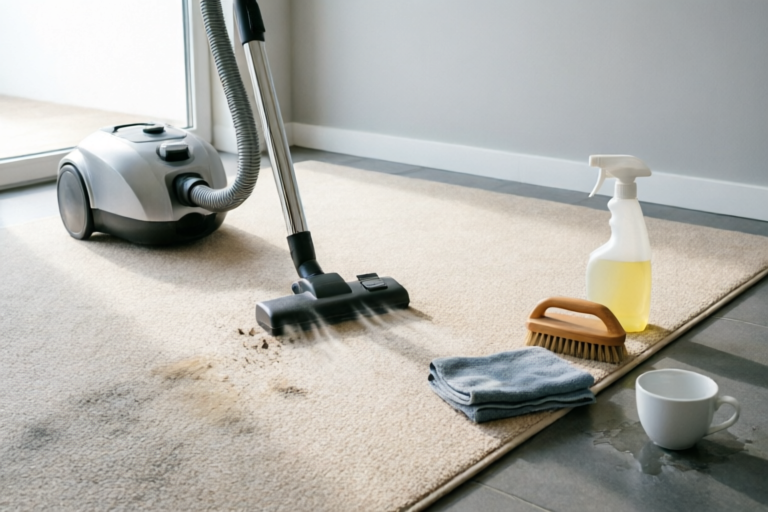
To start your carpet cleaning journey, gather all the necessary tools and materials. Essential items include a high-quality vacuum cleaner, a bucket, a mop, and appropriate cleaning solutions. Depending on the type of stain or dirt, you might also need specialized products like stain removers or carpet shampoos. Ensure that you have enough supplies to cover the entire area without running out midway through the process.
Pre-Vacuuming Tips to Remove Loose Debris
Before diving into deep cleaning, it's important to remove as much loose debris as possible. Start by thoroughly vacuuming the entire carpet using a standard attachment. Pay extra attention to high-traffic areas where dirt tends to accumulate. If you have pets, consider using a pet hair attachment to effectively remove fur. This initial step will make subsequent cleaning processes more efficient and ensure that deeper cleaning solutions can penetrate better.
Setting Up a Work Area and Protecting Furniture
Creating a dedicated workspace for cleaning is vital to protect both your carpet and surrounding furniture. Move any furniture away from the area you plan to clean, and use protective covers if necessary. Place old towels or plastic sheets under heavy furniture to prevent water damage. Ensure there's enough space around the carpeted area for maneuvering cleaning equipment comfortably. This setup will streamline the cleaning process and minimize potential accidents.
Vacuuming Your Carpet Thoroughly
Detailed Steps for Effective Vacuuming
Vacuuming is the first and perhaps most critical step in carpet cleaning. Begin by setting your vacuum cleaner to its highest suction level. Start from one corner of the room and work systematically across the entire surface, moving in overlapping rows. Focus on high-traffic areas and corners where dirt accumulates more frequently. Use the crevice tool for tight spaces between furniture legs or along walls. For particularly dirty spots, increase the number of passes until the area looks clean.
Tips for Using Attachments for Hard-to-Reach Areas
Attachments such as crevice tools and upholstery brushes are invaluable when dealing with hard-to-reach areas. The crevice tool is perfect for cleaning along baseboards, under furniture, and in corners where dust and debris tend to collect. An upholstery brush can be used to gently lift dirt from delicate fabrics without causing damage. Make sure to switch attachments as needed throughout the vacuuming process to cover all parts of the carpet efficiently.
Frequency Recommendations for Vacuuming
The frequency of vacuuming depends on factors like foot traffic and pet presence. In general, vacuuming once a week is sufficient for lightly trafficked areas, while heavily used rooms may require daily attention. Regular vacuuming prevents the buildup of dirt and reduces the need for more intensive cleaning later. Consistent maintenance helps preserve the quality and appearance of your carpet, making it easier to manage over time.
Applying Cleaning Solution
Choosing the Right Cleaning Solution for Your Carpet Type
Selecting the appropriate cleaning solution is crucial for achieving optimal results. Different carpet types—such as wool, synthetic fibers, or blended materials—require specific treatments. Always check the manufacturer's guidelines or consult a professional if unsure about the best approach. For instance, natural fiber carpets like wool may benefit from gentle, pH-neutral cleaners, whereas synthetic options can handle more aggressive formulations. Avoid harsh chemicals that could damage the fibers or leave behind residue.
Proper Application Techniques to Avoid Over-Saturation
When applying cleaning solutions, it's important to do so sparingly to avoid over-saturating the carpet. Start by testing a small, inconspicuous area to ensure compatibility with your carpet type. Apply the solution in small amounts using a spray bottle or a sponge mop, then gently work it into the fibers using a soft-bristled brush. Allow the solution to sit for a few minutes before proceeding with further steps. Over-saturation can lead to prolonged drying times and potential damage, so always err on the side of caution.
Pre-Treating Stubborn Stains Before Deep Cleaning
Stubborn stains can pose challenges even after thorough vacuuming. Address these issues before moving on to deep cleaning by pre-treating them with targeted solutions. Use a spot cleaner designed for the specific type of stain—whether it's oil-based, ink, or food-related—and apply it according to the product instructions. Gently blot the area with a clean cloth rather than scrubbing, which can spread the stain further. Let the treatment sit for several minutes before rinsing with cold water and patting dry. Proper pre-treatment ensures that deep cleaning will be more effective and less likely to leave residual marks.
Deep Cleaning Methods
Exploring Different Deep Cleaning Methods (Steam Cleaning, Shampooing)
There are several methods available for deep cleaning carpets, each with its own advantages. Steam cleaning uses hot water extraction to remove deep-seated dirt and grime, making it highly effective for thorough cleaning. Shampooing, on the other hand, involves applying a foaming detergent that lifts dirt and is then removed using a vacuum. Both methods offer excellent results but differ in terms of equipment requirements and environmental impact.
Step-by-Step Guide for Each Method
Steam Cleaning: Begin by setting up the steam cleaner according to the manufacturer’s instructions. Connect the hose and wand, ensuring they're securely attached. Fill the machine with distilled water and add a suitable cleaning agent. Start from one corner of the room and move systematically across the carpet, overlapping each pass slightly. After completing the cleaning cycle, extract excess moisture using the built-in vacuum feature. Allow the carpet to air dry completely before walking on it.
Shampooing: Prepare the carpet shampoo by mixing it with warm water in a bucket. Dip the sponge mop into the solution and wring it out thoroughly to avoid dripping. Work in small sections, applying the shampoo and gently rubbing it into the carpet using circular motions. Rinse each section with clean water, then use the vacuum attachment to suck up the excess liquid. Repeat the process if necessary until the carpet appears clean.
Safety Precautions During Deep Cleaning
Regardless of the method chosen, safety should always be a priority. Wear rubber gloves and protective eyewear when handling cleaning solutions to prevent skin irritation or eye contact. Ensure proper ventilation in the room to dissipate fumes from cleaning agents. Keep children and pets away from the treated area until it has fully dried. Follow all safety guidelines provided by the equipment manufacturer or cleaning product labels.
Drying and Post-Cleaning Care
Techniques for Quick and Thorough Drying
Once the deep cleaning process is complete, it's crucial to dry the carpet quickly and thoroughly to prevent mold growth and unpleasant odors. Open windows or use fans to promote airflow. Consider placing dehumidifiers in the room if necessary, especially in humid climates. Avoid walking on the carpet until it is completely dry to prevent damage to the fibers. Speedy drying helps maintain the carpet's condition and extends its lifespan.
Preventative Measures to Extend the Life of Your Carpet
To prolong the life of your carpet, take preventative measures such as regularly rotating rugs to distribute wear evenly and using doormats at entryways to trap dirt before it enters the house. Implementing these practices reduces the frequency of deep cleaning sessions and keeps your carpet looking new for longer. Additionally, consider investing in high-quality floor protectors for furniture legs to prevent scuff marks and indentations.
Final Inspection and Maintenance Tips
After cleaning, conduct a final inspection to ensure no missed spots remain. Address any lingering stains or areas that need additional attention promptly. Establish a routine for regular vacuuming and spot cleaning to maintain the carpet's appearance between deep cleans. By staying proactive, you can enjoy a consistently clean and fresh carpet throughout its lifetime.
Conclusion: Maintaining a Clean and Fresh Carpet
Summary of Key Points Discussed
This comprehensive guide has covered the essential aspects of cleaning carpets at home, from preparation to post-cleaning care. Regular vacuuming, proper application of cleaning solutions, and choosing the right deep cleaning method are all crucial steps in keeping your carpet clean and healthy. By following these guidelines, you can extend the life of your carpet and create a more pleasant living environment.
Encouragement for Consistent Cleaning Practices
Consistency is key when it comes to maintaining a clean and fresh carpet. Incorporating regular cleaning routines into your household schedule ensures that your carpet remains in top condition year-round. Not only does this contribute to a healthier home, but it also adds value to your property.
Additional Resources for Further Reading
If you're interested in learning more about carpet care, consider exploring additional resources such as professional cleaning services, eco-friendly cleaning products, and advanced cleaning technologies. These can provide further insights and help you tailor your cleaning approach to suit your specific needs.
Comments

Drying took longer than expected. Any hacks for speeding that up?

I skipped the steam cleaning part and just used the shampoo method. Carpets still came out great!
Is it okay to use vinegar instead of a commercial cleaning solution? I have some at home.

I tried this whole process and my carpet looks amazing! Will definitely do this regularly now.

Any tips for pet hair? Mine is everywhere and I'm struggling to get it all.
Pre-treating tough stains with baking soda really did the trick. I was skeptical but it worked!

Worked like a charm! Vacuumed twice as usual and used a steam cleaner. My carpets look brand new.