Step-by-Step Guide to Assembling IKEA Furniture
Master the art of IKEA furniture assembly with ease.
Introduction to IKEA Assembly: A Brief Overview
Understanding the Importance of Proper Assembly: Proper assembly is crucial for the longevity and stability of your furniture. Incorrect assembly can lead to wobbly tables, unstable shelves, or even safety hazards.
Overview of Common Challenges in IKEA Furniture Assembly: Many first-time assemblers face challenges such as missing parts, confusing instructions, and difficulty aligning pieces. However, with the right approach, these hurdles can be easily overcome.
Tips for Beginners and First-Time Assemblers: Start with smaller items before moving on to larger pieces. Take your time and read through the entire manual before beginning. If you're unsure about any part of the process, don't hesitate to reach out for help.
Preparing for Your Assembly Project
Gathering Necessary Tools and Equipment: Before starting, ensure you have all the necessary tools and equipment. This includes Allen keys, screwdrivers, measuring tape, and possibly a hammer or rubber mallet. Check the instruction manual for specific tool requirements.
Reading the Instruction Manual Thoroughly: Spend some time reading through the manual carefully. Look at the diagrams and understand the assembly sequence. Pay attention to any notes or warnings provided by IKEA.
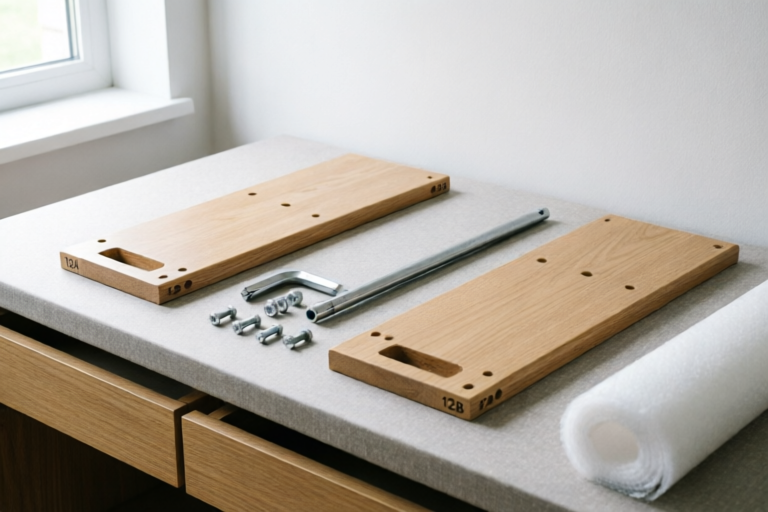
Checking All Parts and Components Before Starting: Before you begin assembling, check that you have all the parts listed in the manual. Missing parts can cause delays and frustration. If you find any discrepancies, contact IKEA customer service for replacements.
Step-by-Step Assembly Instructions
Identifying Key Pieces and Their Functions: Familiarize yourself with the key pieces and their functions. Each piece has a specific role in the overall structure, so understanding them will make the assembly process smoother.
Following the Assembly Sequence as Per the Manual: Follow the assembly sequence outlined in the manual step by step. Skipping steps or trying to anticipate the next move can lead to mistakes. Take it one step at a time and ensure each section is secure before moving on.
Handling Difficult Sections and Troubleshooting Common Issues: Some sections may be more challenging than others. If you encounter difficulties, refer back to the manual for troubleshooting tips. Common issues include misaligned holes or screws that won't fit properly. Use patience and precision to resolve these problems.
Techniques for Precision and Safety
Ensuring Accuracy with Measuring and Aligning: Precision is key when assembling furniture. Use a measuring tape to ensure accurate measurements and alignment. Double-check each piece before securing it with screws or bolts.
Using Proper Tools and Techniques for Tightening Screws: Use the correct size Allen key or screwdriver to avoid stripping screws. Tighten screws gradually and evenly to prevent warping or damage to the wood. Over-tightening can also cause structural issues.
Maintaining Safety Measures Throughout the Assembly Process: Always wear protective gear such as gloves and goggles when handling tools and sharp edges. Ensure that the area where you're working is clear of obstacles and that heavy items are assembled on a stable surface.
Finishing Touches and Quality Check
Finalizing the Assembly with Additional Steps: Once the main assembly is complete, add any final touches such as attaching doors, drawers, or handles. Make sure all hardware is securely fastened and aligned.
Inspecting the Completed Piece for Quality and Stability: After assembly, give the furniture a thorough inspection. Check for any loose parts, uneven surfaces, or wobbling. Ensure that the piece is stable and secure before using it.
Adjustments and Repairs if Needed: If you notice any issues during the quality check, make the necessary adjustments. Minor repairs can often be done with simple tools. For more complex issues, consider contacting IKEA for professional assistance.
Conclusion: Tips for Long-Term Maintenance
Regular Cleaning and Care for Your IKEA Furniture: To keep your furniture looking its best, clean it regularly using appropriate cleaning solutions. Avoid harsh chemicals that could damage the finish. Wipe down surfaces with a damp cloth and dry thoroughly.
How to Store and Transport Your Assembled Pieces Safely: When storing or transporting furniture, use protective covers to prevent scratches and dents. For larger items, disassemble them if possible and pack them carefully. Always follow proper lifting techniques to avoid injury.
Additional Resources for Further Assistance: If you need further assistance, visit IKEA's website for additional resources, including video tutorials and FAQs. Join online communities or forums where other DIY enthusiasts share tips and advice. Don't hesitate to seek professional help if needed.
Comments

When moving the assembled piece, I used soft padding to prevent scratches. Good tip!

For long-term maintenance, I use a microfiber cloth for dusting. Keeps the furniture looking new!

Safety measures are important. I added an extra layer of protection when handling heavy pieces.

This is my first time assembling furniture. The tips for beginners were really helpful. Thanks!

After assembly, I noticed some wobbling. Any advice on making sure everything is stable?

Great guide! I suggest adding a section on how to deal with missing parts. It happened to me once and it was a hassle.

I had trouble with the screwdriver slipping. Any tips on using the right tool for tightening screws?
Worked for me! The step-by-step guide was super helpful, especially the part about checking all parts before starting.