How to Clean Your Air Filters Easily and Efficiently
Clean Air Filters for Better Health and Comfort
Introduction to Air Filter Cleaning
Cleaning your air filters is an essential part of maintaining a healthy and comfortable living environment. Dirty air filters can lead to a variety of issues, including reduced airflow, increased energy consumption, and poor indoor air quality. In this guide, we'll walk you through the steps to clean your air filters easily and efficiently.
Importance of Clean Air Filters
Keeping your air filters clean ensures that your HVAC system operates at peak efficiency. Clean filters allow for proper airflow, which helps maintain consistent temperatures throughout your home. Additionally, clean filters can extend the lifespan of your HVAC system by reducing wear and tear on the motor and other components.
Common Issues Caused by Dirty Air Filters
- Reduced Airflow: Dirty filters can restrict airflow, making your HVAC system work harder to maintain the desired temperature.
- Increased Energy Consumption: A clogged filter forces the system to run longer, leading to higher energy bills.
- Poor Indoor Air Quality: Dust, allergens, and pollutants can accumulate on dirty filters, affecting the air quality in your home.
Overview of the Cleaning Process
Cleaning your air filters is a straightforward process that can be done with basic tools and materials. Whether you have a central HVAC system or a portable unit, following these steps will help you keep your filters clean and efficient.
Types of Air Filters and Their Locations
There are several types of air filters available, each with its own advantages and maintenance requirements. Understanding the different types and where they are located in your system is crucial for effective cleaning.
Different Types of Air Filters
- Pleated Filters: These are the most common type of air filters, featuring multiple folds that increase their surface area and efficiency.
- Electrostatic Filters: These filters use static electricity to attract and trap particles, making them reusable and environmentally friendly.
- Washable Filters: As the name suggests, these filters can be washed and reused, providing a cost-effective solution for long-term maintenance.
Where to Find Your Air Filter
Your air filter is typically located near the return air duct in your HVAC system. If you have a portable unit, the filter is usually accessible through a compartment on the front or side of the device. Always refer to your manufacturer's instructions for specific guidance on locating and accessing your air filter.
Tips for Identifying the Correct Filter Size and Type
To ensure proper fit and function, it's important to choose the right size and type of filter for your system. Check the dimensions printed on the existing filter or consult your HVAC manual for the recommended specifications. Additionally, consider the MERV rating, which indicates the filter's efficiency in capturing airborne particles.
Tools and Materials Needed for Cleaning
Having the right tools and materials on hand will make the cleaning process easier and more effective. Below is a list of essentials and optional items that can enhance the cleaning process.
Essential Tools
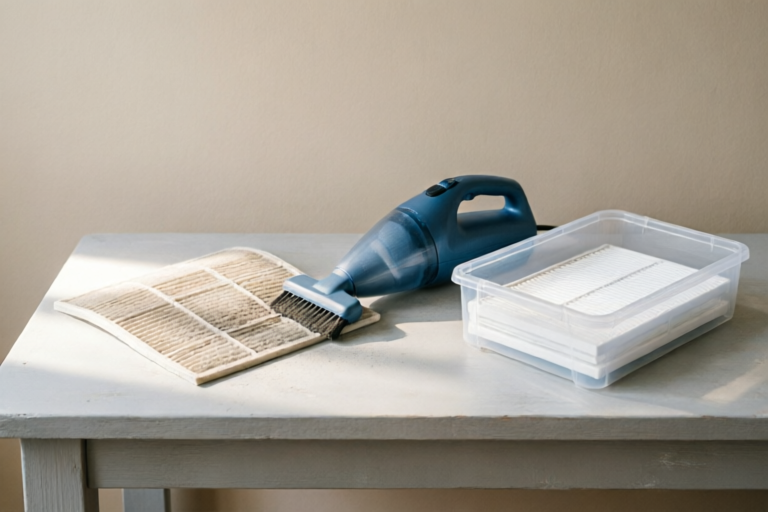
- Vacuum Cleaner: Use a vacuum cleaner with a brush attachment to remove loose dust and debris from the filter.
- Soft Brush: A soft-bristled brush can be used to gently dislodge stubborn particles.
- Water: For washable filters, a gentle rinse with water is often sufficient to remove dirt and grime.
Optional Materials
- Mild Detergent: A small amount of mild detergent can be added to the water for deeper cleaning.
- Baking Soda: Baking soda can be used to neutralize odors and remove tough stains.
Safety Precautions
When handling filters and cleaning equipment, it's important to take necessary safety precautions. Wear gloves to protect your hands from dust and chemicals, and avoid inhaling any airborne particles. Ensure that the area is well-ventilated during the cleaning process.
Step-by-Step Guide to Cleaning Air Filters
Follow these step-by-step instructions to clean your air filters effectively.
Removing the Filter from Its Housing
Start by turning off your HVAC system to prevent any accidental damage. Carefully remove the filter from its housing, taking note of its orientation and position. This will ensure that you reinstall it correctly after cleaning.
Using a Vacuum Cleaner
Use a vacuum cleaner with a brush attachment to thoroughly remove dust and debris from the filter. Pay special attention to the edges and corners, as these areas tend to collect more dirt.
Washing and Drying Methods
If you have a washable filter, rinse it under cool running water to remove any remaining dirt and debris. Avoid using hot water, as it can damage the filter material. Gently shake the filter to remove excess water, then let it air dry completely before reinstalling.
Reinstalling the Filter
Once the filter is clean and dry, carefully place it back into its housing. Make sure it fits snugly and is oriented correctly. Turn the HVAC system back on and test the airflow to ensure everything is functioning properly.
Maintenance Schedule and Best Practices
Regular maintenance is key to keeping your air filters clean and your HVAC system running smoothly. Follow these guidelines to establish a routine cleaning schedule and best practices.
Recommended Frequency
The frequency of cleaning or replacing your air filters depends on various factors, including the type of filter, the level of indoor pollution, and the number of people in your household. As a general rule, pleated filters should be checked every 1-3 months, while electrostatic and washable filters may need less frequent cleaning.
Signs It's Time to Replace Your Air Filter
- Visible Damage: If the filter shows signs of tearing or damage, it's time for a replacement.
- Excessive Buildup: If the filter is heavily clogged with dust and debris, even after cleaning, it's best to replace it.
- Airflow Issues: If you notice reduced airflow or unusual noises coming from your HVAC system, it may be due to a dirty or damaged filter.
Additional Tips
- Preventative Measures: Use a high-quality filter with a higher MERV rating to reduce the frequency of cleaning or replacement.
- Regular Inspections: Check your filters regularly for any signs of wear or damage.
Conclusion: The Benefits of Regular Air Filter Cleaning
By following the steps outlined in this guide, you can ensure that your air filters remain clean and efficient, contributing to better overall performance and longevity of your HVAC system. Regular cleaning not only improves indoor air quality but also helps reduce energy costs and extends the lifespan of your equipment. Establishing a routine cleaning schedule will help you maintain a healthier and more comfortable living environment.
Comments

Great guide. Any advice for those with non-washable filters?

Super helpful. My allergies are way better now.

Is it really necessary to clean monthly? Mine seems fine after 6 weeks.

I used baking soda and it cleaned even better than expected. Thanks for the tip!

Worked for me. Now my house feels so much fresher.
Does anyone else have trouble finding the right size? The guide helped but still confusing.

This really helped! I had no idea my AC was so dusty. Vacuuming worked wonders!