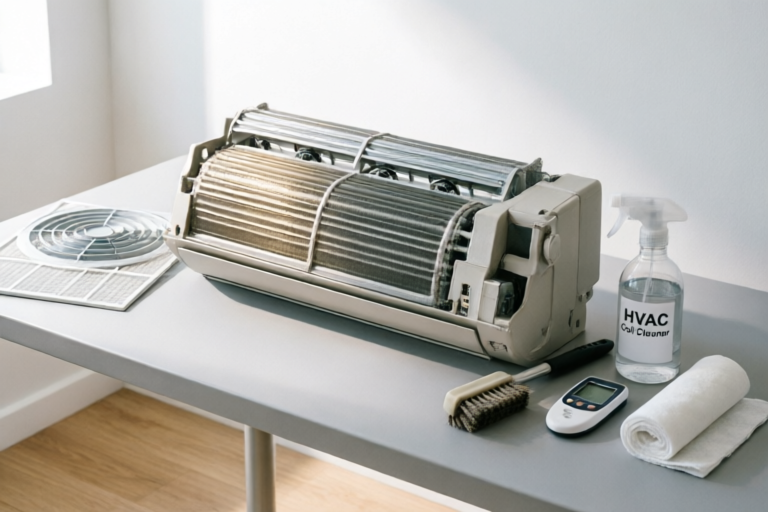
How to Clean Your HVAC System Effectively
Maintain Your HVAC System for Optimal Performance
Introduction to HVAC Cleaning
Importance of maintaining a clean HVAC system:
A well-maintained HVAC system not only ensures comfort but also saves energy and reduces wear and tear. Regular cleaning can extend the lifespan of your equipment and lower utility bills.
Common issues caused by dirty HVAC systems:
- Decreased efficiency and increased energy consumption
- Reduced airflow leading to uneven heating or cooling
- Potential health risks due to mold growth and allergens
Benefits of regular cleaning:
- Improved indoor air quality
- Increased system longevity
- Enhanced performance and reliability
Understanding Your HVAC System Components
Overview of key parts (air filters, evaporator coils, condenser unit):
Your HVAC system consists of several critical components that work together to regulate temperature and humidity. These include air filters, evaporator coils, and the condenser unit.
How dirt and debris affect each component:
- Air Filters: Clogged filters restrict airflow, forcing the system to work harder.
- Evaporator Coils: Dust and grime buildup can reduce heat transfer efficiency.
- Condenser Unit: Outdoor elements like leaves and debris can obstruct airflow and reduce efficiency.
Identifying signs of a dirty HVAC system:
- Unusual noises
- Uneven temperatures
- Higher energy bills
Preparing for the Cleaning Process
Necessary tools and materials:
- Vacuum cleaner
- Soft-bristled brush
- Cleaning solution (such as vinegar and water)
- Rubber gloves
- Screwdriver
Safety precautions before starting the cleaning process:
- Ensure the area is well-ventilated
- Wear protective gear such as gloves and goggles
- Turn off the power supply to avoid electrical hazards
Turning off power and disconnecting the system:
Before you begin, turn off the power at the circuit breaker. For added safety, disconnect the system from its power source.
Step-by-Step Guide to Cleaning Each Component
Cleaning Air Filters
Steps:
- Remove the air filter from its housing.
- Inspect the filter for any visible dirt or debris.
- Use a vacuum cleaner to remove loose particles.
- If the filter is reusable, wash it with mild soap and water. Rinse thoroughly and allow it to dry completely before reinstalling.
- Replace disposable filters with new ones if necessary.
Cleaning Evaporator Coils
Steps:
- Locate the evaporator coils inside the indoor unit.
- Use a soft-bristled brush to gently scrub away any dust or debris.
- Apply a cleaning solution (such as a mixture of vinegar and water) to the coils.
- Let the solution sit for about 15 minutes.
- Rinse the coils with water and dry them with a clean cloth.
Cleaning the Condenser Unit
Steps:
- Shut off the power supply to the outdoor unit.
- Clear any debris, such as leaves or twigs, from around the unit.
- Use a soft-bristled brush to clean the fins and surrounding areas.
- Apply a coil cleaning solution if needed, following the manufacturer's instructions.
- Reconnect the power supply after cleaning.
Preventive Maintenance Tips
Regular Inspection and Cleaning Schedule
It's essential to establish a routine for inspecting and cleaning your HVAC system. A good rule of thumb is to check and clean the air filters every month during peak usage seasons and annually for other components.
Professional Cleaning Services vs. DIY Options
While DIY cleaning can be effective for basic tasks, professional services are recommended for more complex issues or when dealing with hard-to-reach areas. Professionals have specialized tools and expertise that can ensure thorough cleaning and proper system function.
Choosing the Right Type of Air Filter
Selecting the appropriate air filter is crucial for optimal performance. Look for filters with a Minimum Efficiency Reporting Value (MERV) rating between 8 and 12. Higher MERV ratings trap smaller particles but may also restrict airflow if not properly sized.
Conclusion and Final Thoughts
Maintaining a clean HVAC system is vital for ensuring its efficiency, longevity, and overall performance. By following our step-by-step guide and implementing preventive maintenance practices, you can keep your system running smoothly and enjoy comfortable indoor environments year-round.
We encourage you to make HVAC cleaning a regular part of your home maintenance routine. If you need further assistance or have questions, consult your HVAC manual or reach out to a professional technician.
Comments

I've been doing this every six months now and haven't had any issues. Highly recommend sticking to a regular schedule.
Cleaning the coils with just water didn't work for me. I had to use some vinegar and baking soda. Maybe add that as an alternative?

Good reminder about safety precautions. I almost forgot to disconnect the system before starting. Thanks for catching that!

I replaced my air filters after cleaning and noticed a huge difference in the air quality. Totally worth it!

I skipped the professional cleaning service part and did it all myself. Saved a bunch of cash and learned a lot in the process. Thanks!

Great guide! Just one question - do I really need to turn off the power every time I clean? It seems like a hassle.

Worked like a charm! Finally got my AC running smoothly again. The step on cleaning the evaporator coils was a game changer.