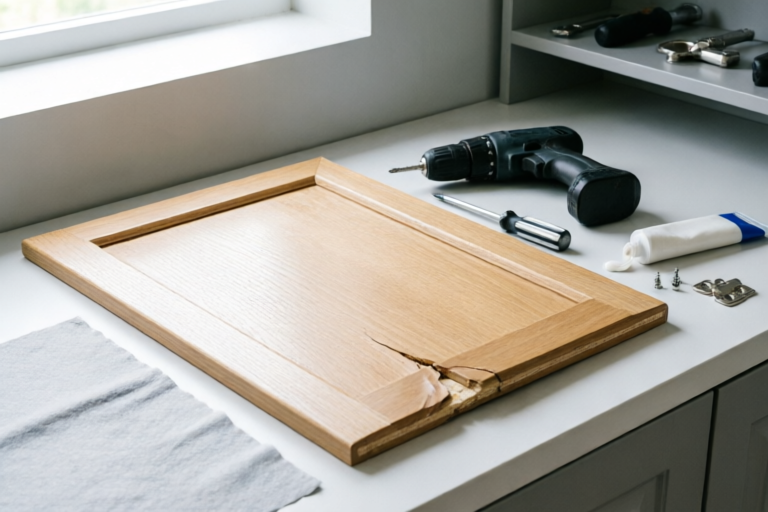
How to Repair a Broken Cabinet Door
DIY Cabinet Door Repair: Easy Fixes for Your Home
Introduction to Cabinet Door Repairs
Cabinet doors are essential components of any kitchen or bathroom, providing both functionality and aesthetic appeal. However, over time, they can become damaged due to wear and tear, improper installation, or accidental impacts. Whether it's a loose hinge, a squeaky mechanism, or a warped panel, addressing these issues promptly is crucial to maintain the overall integrity and appearance of your cabinetry.
Overview of Common Cabinet Door Issues
- Loose or Damaged Hinges: One of the most frequent problems homeowners face is loose or damaged hinges that cause doors to sag or swing erratically.
- Warped or Misaligned Doors: Exposure to moisture or temperature fluctuations can warp wooden doors, leading to gaps between the door and the frame.
- Squeaky Hinges: Over time, metal parts may wear down, causing hinges to emit annoying noises when opened or closed.
Importance of Timely Repairs
Ignoring these issues can lead to more significant problems down the line. For instance, neglected hinges might eventually snap off entirely, requiring replacement of the entire door. Similarly, warped panels could compromise the structural integrity of the entire cabinet unit. By addressing these issues early on, you not only save money but also preserve the beauty and functionality of your cabinets.
Tools and Materials Needed for Basic Fixes
- Phillips Screwdriver: Essential for loosening screws on hinges and other hardware.
- Hammer: Useful for tapping out stubborn nails or driving in shims.
- Level: Ensures that doors are properly aligned.
- Wood Filler: Helps fill gaps caused by warping or misalignment.
- Lubricants (Oil/Grease): Keeps moving parts functioning smoothly.
Identifying the Problem
Before diving into repairs, it’s important to accurately diagnose the specific issue affecting your cabinet door. This section will cover common causes of damage, steps to diagnose the problem, and safety precautions.
Common Causes of Cabinet Door Damage
- Improper Installation: Incorrectly installed hinges can lead to premature wear and tear.
- Environmental Factors: Moisture exposure or extreme temperatures can warp wood.
- Mechanical Stress: Frequent use or heavy objects placed on top of the door can cause hinges to loosen.
Steps to Diagnose the Specific Issue
- Inspect all visible hardware for signs of wear or damage.
- Check if the door swings freely without sticking or binding.
- Look for gaps between the door and the frame when closed.
Safety Precautions Before Starting Repairs
- Ensure the area around the cabinet is clear of clutter.
- Use appropriate protective gear such as gloves and safety glasses.
- Turn off any power sources if working near electrical outlets.
Replacing Hinges
One of the most common repairs involves replacing faulty hinges. This section details the process step-by-step.
Detailed Steps for Removing Old Hinges
- Unscrew the hinge pins from the door and frame using a small flathead screwdriver.
- Remove the screws securing the hinges to the door and frame.
- Gently pry off the old hinges using a putty knife.
Proper Alignment Techniques for New Hinges
- Use a level to ensure the new hinges are perfectly aligned.
- Mark corresponding points on both the door and frame where the new hinges will be attached.
- Drill pilot holes at each marked point to prevent splitting the wood.
Tips for Ensuring a Secure Fit
- Apply wood glue to the back of each hinge before attaching them to the frame.
- Make sure the hinge pin fits snugly through both the door and frame.
- Reattach the door and test its movement to ensure smooth operation.
Fixing Warped or Misaligned Doors
Wooden doors can sometimes warp or become misaligned due to environmental factors. Here’s how to address these issues.
Techniques for Flattening Warped Doors
- Place the door on a flat surface and apply pressure evenly across its width using books or weights.
- Alternatively, clamp the door between two straight boards.
- For severe warping, consider using a wet/dry vacuum to remove excess moisture from the wood.
- Insert shims or spacers between the door and the frame to adjust its position.
- Adjust the position of the hinges slightly to correct misalignment.
- Use wood filler to fill gaps caused by misalignment.
Use of Shims and Spacers for Precise Adjustments
Shims and spacers are invaluable tools for making fine-tuned adjustments. They allow you to achieve perfect alignment without having to replace entire components.
Addressing Squeaky Hinges
Squeaky hinges can be annoying but are usually easy to fix. This section covers the causes and solutions.
Causes of Squeaky Hinges and Their Solutions
- Lack of Lubrication: Apply lubricant directly onto the hinge pins.
- Worn-Out Bearings: Replace the entire hinge if bearings show signs of wear.
Lubrication Methods Using Oil or Grease
- Use a spray lubricant specifically designed for metal parts.
- Apply petroleum jelly or white lithium grease to the hinge pins.
Alternative Treatments Like WD-40 or Graphite Powder
- WD-40 is effective for temporary relief.
- Graphite powder provides long-lasting lubrication.
Finishing Touches and Maintenance
After completing the repairs, it’s important to perform final checks and implement preventive measures to extend the life of your cabinet doors.
Final Checks and Adjustments for Functionality
- Ensure all doors open and close smoothly.
- Check for any remaining gaps or misalignments.
Preventive Maintenance Tips to Extend Cabinet Life
- Regularly inspect all hardware for signs of wear.
- Keep doors clean and free from dust buildup.
Summary of Key Takeaways and Next Steps for Readers
In this guide, we’ve covered various aspects of repairing broken cabinet doors, including identifying problems, replacing hinges, fixing warps, and maintaining squeaky hinges. Armed with this knowledge, you should feel confident tackling similar issues in your own home. Remember, regular maintenance can go a long way in preserving the longevity and functionality of your cabinets.
Comments

The use of shims and spacers really made a difference in my alignment issues. Great tip!

This was super helpful. My kids helped me fix the cabinet door, and now they're excited to help with more projects.

Followed the steps exactly and my door is good as new. Will definitely use this guide again for other repairs around the house.

I tried the hinge replacement but had trouble with the alignment. Any tips for getting those hinges perfectly straight?

Great tutorial! I used WD-40 instead of oil for the squeaky hinges. Works just as well, maybe even better.

I was able to fix the warping issue by following your technique. Used a damp cloth and some weight, and it flattened out nicely. Any tips for preventing future warping?
Worked like a charm! Removed the old hinges, aligned the new ones, and my cabinet door swings perfectly now. Thanks for the step-by-step guide!