Unique Traits and Care Tips for Every Scottish Fold Owner
Welcome to the world of Scottish Fold cats! Known for their distinctive folded ears, these felines have captured the hearts of many pet lovers. This article will delve into the unique traits of Scottish Folds, offering practical care tips to ensure your kitty leads a healthy and happy life.
The Distinctive Characteristics of Scottish Folds
Physical Traits
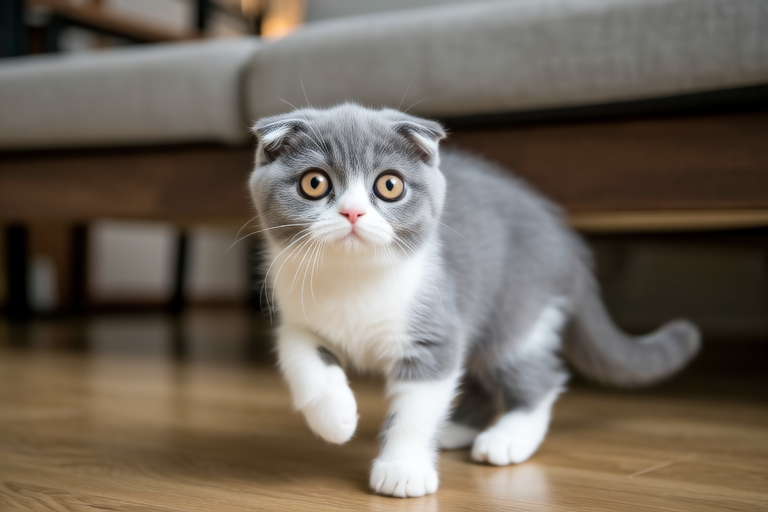
Scottish Folds are medium-sized cats with rounded faces, large eyes, and small chins. Their most notable feature is their folded ears, which give them a distinctively sweet expression. These ears can be folded forward, sideways, or even backward, depending on the cat’s genetic makeup. Not all kittens are born with folded ears; some develop them as they grow older. The fold is caused by a dominant gene that affects the cartilage in their ears, making them bend forward and down.
Behavioral Peculiarities
Scottish Folds are known for their calm and gentle nature. They are highly adaptable and get along well with various household environments. These cats are often described as dog-like in their loyalty and affection towards their human companions. They enjoy being part of family activities and are quite content to sit quietly nearby, observing everything that goes on around them. Despite their laid-back demeanor, they are intelligent and playful, especially when young. They love interactive toys and games, showing great interest in anything that involves hunting or stalking.
Common Health Issues
Due to their genetic predisposition, Scottish Folds are prone to certain health problems. One of the most significant concerns is osteochondrodysplasia, a condition affecting the cartilage development in their joints. This can lead to arthritis, particularly in the tail, legs, and spine. To minimize the risk, it’s essential to provide a balanced diet rich in nutrients and avoid excessive weight gain, which puts extra strain on their joints. Regular veterinary check-ups are also crucial to monitor joint health and address any issues early on.
Care Tips for Scottish Fold Owners
Nutrition
Feeding your Scottish Fold a high-quality, balanced diet is vital for their overall health. Choose a premium cat food that meets the nutritional needs of your pet. Opt for products that are rich in protein, vitamins, and minerals, ensuring they receive adequate nutrients to support their immune system and maintain healthy skin and coat. Avoid overfeeding, as obesity can exacerbate joint problems. Consult with your veterinarian to determine the appropriate portion sizes based on your cat’s age, weight, and activity level.
Grooming
Grooming is an important aspect of caring for your Scottish Fold. Their short, dense fur requires regular brushing to prevent matting and remove loose hair. Use a soft-bristled brush to gently stroke their coat, paying special attention to areas where shedding is more pronounced. Bathing should be minimal, as frequent washing can strip natural oils from their skin. If you need to bathe your cat, use a gentle, cat-specific shampoo and dry them thoroughly afterward.
Exercise
Although Scottish Folds are generally sedentary, providing opportunities for physical activity is essential for their well-being. Interactive play sessions with toys like feather wands or laser pointers can help stimulate their minds and bodies. Puzzle feeders and treat-dispensing toys can also keep them mentally engaged while encouraging movement. Consider creating a safe outdoor space, such as a catio, if your cat enjoys exploring beyond the confines of your home. Always supervise outdoor activities to ensure their safety.
Environmental Enrichment
To keep your Scottish Fold entertained and mentally stimulated, create an enriched environment within your home. Provide scratching posts, climbing structures, and hiding spots to encourage exploration and play. Rotate toys regularly to maintain interest and introduce new elements periodically. Establishing a routine that includes playtime, feeding, and grooming sessions can also contribute to their sense of security and happiness.
Social Needs and Compatibility
Family Life
Scottish Folds are typically friendly and sociable, making them excellent companions for families. They tend to form strong bonds with their human caregivers and enjoy being involved in daily activities. However, they may not be as vocal as some other breeds, preferring to communicate through body language and subtle sounds. Introduce them gradually to new family members, allowing time for acclimatization and building trust.
Children and Other Pets
When introducing a Scottish Fold to children or other pets, supervision is key. Teach children how to handle the cat gently and respect its personal space. Encourage positive interactions, such as gentle petting and play, to foster a loving relationship. For introductions to other pets, start with brief, supervised meetings and gradually increase interaction time as both parties become comfortable. Always monitor situations closely to ensure harmony and safety.
Handling Folded Ears and Associated Care Requirements
The folded ears of Scottish Folds require special attention to prevent damage or discomfort. Handle them gently, avoiding pulling or tugging. Clean the inside of the ears regularly with a damp cloth, but avoid inserting anything into the ear canal. Check for signs of infection, such as redness, swelling, or discharge, and consult your veterinarian if you notice any abnormalities. Providing a soft, comfortable sleeping area can also help protect their ears during rest.
Conclusion
Owning a Scottish Fold is a rewarding experience, filled with joy and companionship. By understanding their unique traits and providing proper care, you can ensure your feline friend thrives in your home. Remember to prioritize their physical and emotional well-being, offering a nurturing environment that supports their individual needs. With love and attention, your Scottish Fold will bring years of happiness and cherished moments into your life.
