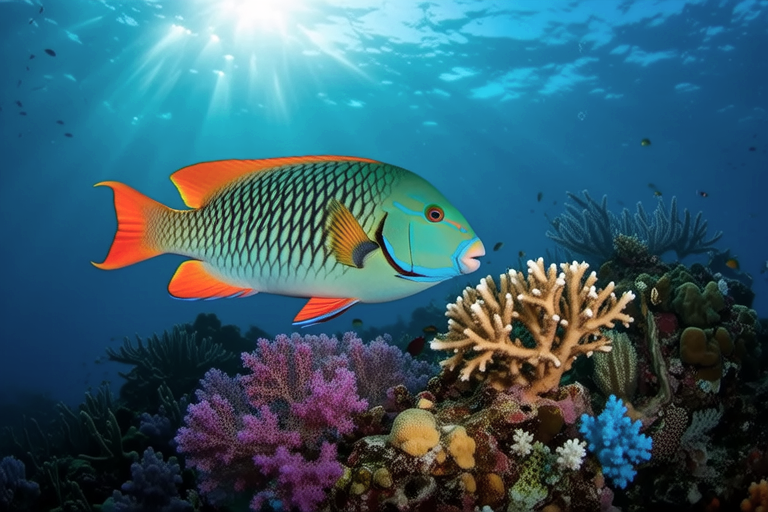
Parrot Fish: The Hidden Heroes of Ocean Ecosystems
Parrot fish, named for their beak-like mouths and vibrant colors, are among the most captivating creatures of the ocean. These fish are not only visually stunning but also play a crucial role in maintaining the health of coral reefs. With their unique characteristics and vital functions within marine ecosystems, parrot fish deserve recognition as the hidden heroes of the ocean.
The Unique Characteristics of Parrot Fish
Parrot fish are members of the family Scaridae, comprising around 90 species. They are known for their striking appearance, featuring vivid hues of blue, green, yellow, and red. Their most distinctive feature is their beak-like mouth, which contains several rows of teeth arranged in a manner that resembles a parrot’s beak. This adaptation allows them to scrape algae from rocks and coral, an essential activity for maintaining the health of coral reefs.
In addition to their colorful exteriors, parrot fish possess another remarkable characteristic: their ability to produce sand. As they feed on coral and algae, they grind these materials into fine particles, which are then expelled through their gills. This process contributes significantly to the formation of beaches and islands in tropical regions. Studies have shown that parrot fish can produce up to 840 pounds (381 kilograms) of sand per year, making them indispensable for coastal environments.
The Role of Parrot Fish in Maintaining Coral Reef Health
Coral reefs are some of the most biodiverse ecosystems on Earth, supporting thousands of marine species. However, these delicate structures are under threat from various factors, including climate change, pollution, and overfishing. Parrot fish play a critical role in preserving coral reefs by controlling the growth of algae, which can otherwise smother and kill corals.
Algal blooms occur when excessive nutrients enter the water, leading to rapid algal growth. If left unchecked, algae can outcompete corals for space and sunlight, ultimately leading to the decline of coral reefs. Parrot fish help prevent this by consuming large quantities of algae. Research has demonstrated that parrot fish can remove up to 90% of available algae from a reef, ensuring that corals have sufficient space and resources to thrive.
Moreover, parrot fish contribute to the maintenance of coral reef biodiversity by creating habitats for other marine organisms. By grazing on algae, they create open spaces on the reef, allowing for the establishment of new coral colonies and providing shelter for smaller fish and invertebrates. This promotes a healthy balance within the ecosystem, fostering resilience against environmental stressors.
Symbiotic Relationships with Other Marine Organisms
Parrot fish engage in various symbiotic relationships with other marine organisms, further enhancing their importance within ocean ecosystems. One notable example is their relationship with cleaner fish, such as wrasses and gobies. Cleaner fish remove external parasites and dead skin from parrot fish, benefiting both parties. In return, parrot fish provide a steady source of food for cleaner fish, facilitating a mutually beneficial partnership.
Another important symbiosis involves the presence of certain species of shrimp that live within the crevices of parrot fish. These shrimp, known as commensal shrimp, benefit from the protection provided by the larger fish while simultaneously aiding in the removal of debris and parasites from the parrot fish’s body. This relationship exemplifies the intricate web of interactions that characterize marine ecosystems.
Challenges Facing Parrot Fish Populations
Despite their vital role in maintaining coral reef health, parrot fish populations are facing numerous threats due to environmental changes and human activities. Climate change poses a significant risk to parrot fish, as rising sea temperatures and ocean acidification can disrupt their reproductive cycles and alter the availability of suitable habitats.
Overfishing is another major concern, as many species of parrot fish are highly valued for their meat and vibrant colors, making them popular targets for commercial fishing operations. Unsustainable fishing practices, such as blast fishing and cyanide poisoning, have led to dramatic declines in parrot fish populations in certain areas. Additionally, habitat destruction caused by coastal development and pollution further exacerbates the situation, reducing the availability of suitable breeding grounds and food sources.
Conservation efforts are urgently needed to address these challenges and ensure the survival of parrot fish populations. Initiatives aimed at promoting sustainable fishing practices, protecting critical habitats, and raising awareness about the importance of parrot fish in maintaining healthy coral reefs are essential steps toward safeguarding these hidden heroes of the ocean.
The Importance of Conserving Parrot Fish Populations
The conservation of parrot fish populations is crucial for the overall health and resilience of ocean ecosystems. By controlling algae growth and promoting coral reef biodiversity, parrot fish play a pivotal role in maintaining the delicate balance of marine environments. Without their presence, coral reefs would be more susceptible to degradation, leading to the loss of valuable habitats and the displacement of countless marine species.
Furthermore, the economic benefits associated with healthy coral reefs cannot be overlooked. Coral reefs provide essential services, such as coastal protection, tourism opportunities, and fisheries, which contribute billions of dollars to global economies each year. Protecting parrot fish populations ensures the continued provision of these benefits, highlighting the importance of marine conservation efforts.
To support these efforts, individuals can take several actions to promote the conservation of parrot fish and their habitats. Engaging in responsible seafood consumption by choosing sustainably sourced products, supporting marine protected areas, and participating in beach clean-up initiatives are all effective ways to contribute to the preservation of parrot fish populations. Additionally, raising awareness about the significance of parrot fish within marine ecosystems can inspire others to join in the fight for ocean conservation.
In conclusion, parrot fish are the hidden heroes of ocean ecosystems, playing a vital role in maintaining the health and resilience of coral reefs. Through their unique characteristics and symbiotic relationships, these fascinating creatures contribute significantly to the overall well-being of marine environments. However, challenges posed by environmental changes and human activities threaten their survival, underscoring the urgent need for conservation efforts. By recognizing the importance of parrot fish and taking action to protect them, we can help ensure the continued vitality of our oceans for generations to come.
