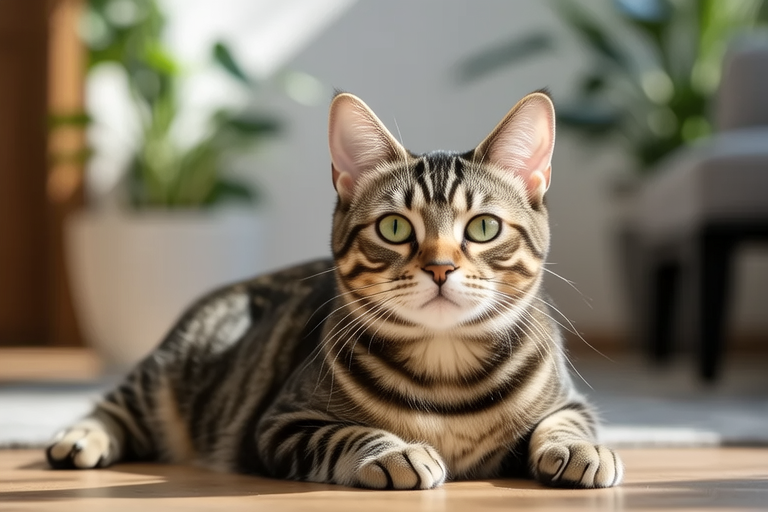
The Ultimate Guide to Caring for Your Munchkin Cat Like a Pro
Welcome to the world of Munchkin cats! These unique felines have captured the hearts of many with their distinctively short legs and playful personalities. Originating from a spontaneous genetic mutation, Munchkin cats are known for their charming appearance and lively demeanor. Their short stature does not hinder their agility; they are quick and nimble, capable of surprising feats of athleticism despite their diminutive legs. This guide aims to provide you with all the necessary information to care for your Munchkin cat like a pro, ensuring they live a long, healthy, and happy life.
Understanding the Unique Needs of Munchkin Cats
Munchkin cats are not just shorter versions of other breeds; they have unique physical traits that require special attention. Their shorter legs can affect their mobility and overall health, making it crucial to understand these differences to provide the best care possible. Regular vet check-ups are essential to monitor their growth and development, especially during the first few years of their lives.
Dietary Needs: Balanced Nutrition and Portion Control
Feeding your Munchkin cat a balanced diet is paramount. Their nutritional needs are similar to those of other domestic cats, but portion control is particularly important due to their smaller size. High-quality commercial cat food, whether dry or wet, should be the cornerstone of their diet. Look for options rich in protein, vitamins, and minerals. Avoid feeding them table scraps or foods high in sugar and fat, as these can lead to obesity and related health issues.
Portion control is key to maintaining a healthy weight for your Munchkin cat. Overfeeding can exacerbate joint problems due to their unique skeletal structure. Consult your veterinarian to determine the appropriate serving sizes based on your cat’s age, activity level, and body condition. Regularly monitoring your cat’s weight and adjusting portions accordingly will help prevent obesity-related health complications.
Grooming Requirements: Coat Care and Nail Maintenance
Munchkin cats typically have short, dense coats that are relatively easy to maintain. Regular brushing, ideally once a week, helps remove loose hair and distribute natural oils, keeping their coat shiny and healthy. Pay extra attention to areas where skin folds may occur, as these can trap dirt and moisture, leading to infections. Using a soft-bristled brush or a rubber grooming mitt can effectively manage shedding and improve circulation.
Nail maintenance is another critical aspect of grooming. Munchkin cats’ nails grow quickly, and regular trimming prevents overgrown nails that can cause discomfort or injury. Use sharp, clean nail clippers designed for cats, and always trim the tips carefully to avoid cutting the quick, which contains blood vessels and nerves. If you’re unsure about how to trim your cat’s nails safely, consult a professional groomer or your veterinarian.
Exercise and Playtime: Keeping Them Active
Despite their short legs, Munchkin cats are full of energy and enjoy playing. They thrive on interactive games that stimulate their minds and bodies. Toys that encourage climbing, chasing, and pouncing are ideal. Consider investing in cat trees with multiple levels and platforms to create vertical spaces for them to explore. Puzzle toys and treat-dispensing gadgets can also engage their problem-solving skills while providing mental stimulation.
Structured play sessions are beneficial for both physical and emotional well-being. Spend at least 15 minutes each day engaging in active play, using feather wands or laser pointers to mimic prey. This not only keeps them physically fit but also strengthens the bond between you and your cat. Always supervise playtime to ensure safety and prevent any potential injuries.
Health Issues and Preventive Measures
Munchkin cats are generally healthy, but their unique physiology can predispose them to certain health conditions. One of the most significant concerns is spinal deformities, such as lordosis (swayback) or kyphosis (roaching). Regular veterinary check-ups can help identify and address these issues early. Weight management is also crucial, as excess weight can strain their joints and exacerbate skeletal problems.
To prevent health issues, maintain a consistent vaccination schedule, practice good hygiene, and provide a stress-free environment. Regular dental care, including brushing their teeth and providing chew toys, can help prevent periodontal disease. Early spaying or neutering can reduce the risk of certain cancers and behavioral problems. Always seek professional advice when dealing with health concerns or preventive measures.
Creating a Safe, Comfortable Living Environment
A safe and comfortable living space is essential for your Munchkin cat. Provide soft, cozy bedding in quiet areas where they can rest undisturbed. Ensure that furniture is stable and secure to prevent accidents. Low-level furniture, such as ottomans or benches, can serve as stepping stones, helping them navigate their environment more easily. Place litter boxes in accessible locations, ensuring they can enter and exit without difficulty.
Home safety is equally important. Secure loose wires and keep small objects out of reach to prevent choking hazards. Install baby gates to restrict access to dangerous areas, such as kitchens or bathrooms. Use pet-safe cleaning products and avoid toxic plants that could pose risks if ingested. Creating a safe and inviting environment will enhance your cat’s quality of life and promote their overall well-being.
Bonding and Training Techniques
Building a strong bond with your Munchkin cat involves understanding their behavior and communication cues. Spend quality time together, engaging in interactive play and offering positive reinforcement through treats and praise. Establish routines, such as feeding times and play sessions, to provide a sense of security and predictability. Consistent interaction fosters trust and deepens the connection between you and your cat.
Training your Munchkin cat can be rewarding and fun. Start by teaching basic commands like “sit” or “come,” using clicker training or hand signals. Reward desired behaviors with treats and verbal encouragement. Avoid punishment-based methods, as they can lead to fear and anxiety. Instead, focus on positive reinforcement to build a trusting and cooperative relationship. With patience and consistency, your Munchkin cat can learn various tricks and behaviors, enriching both their life and yours.
In conclusion, caring for a Munchkin cat requires a blend of love, knowledge, and dedication. By understanding their unique needs and providing proper care, you can ensure your Munchkin cat leads a fulfilling and healthy life. Remember, every cat is an individual, so tailor your approach to suit their specific requirements and preferences. With this comprehensive guide, you are well-equipped to care for your Munchkin cat like a pro, fostering a loving and lasting companionship.
