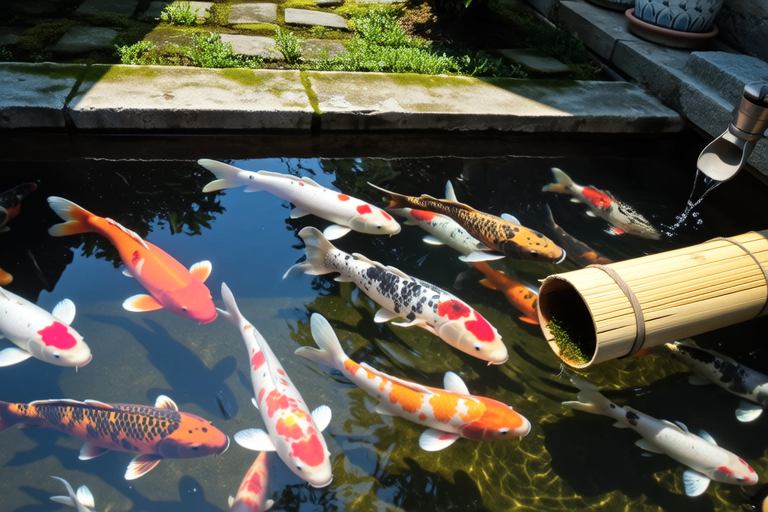
How to Create an Oasis for Your Koi Fish at Home
Selecting the Right Pond Location
Choosing the perfect spot for your koi pond is crucial for the health and happiness of your fish. First, consider the amount of sunlight the area receives. Koi thrive in environments with partial shade, so it’s best to place the pond where it will receive morning sun and afternoon shade. This balance helps maintain stable water temperatures and reduces stress on the fish. Avoid placing the pond under large trees, as falling leaves can affect water quality and create extra maintenance work.
Ensure that the site you choose has good drainage and is level. Poorly drained areas can lead to standing water or excessive runoff, which can cause problems with the pond’s structural integrity and water clarity. Additionally, make sure there are no power lines or underground utilities near the proposed pond site. These factors could complicate construction and pose safety risks.
Designing the Pond Size and Shape
The size and shape of your koi pond play significant roles in providing adequate space for your fish to swim freely and ensuring that the environment remains healthy. For each adult koi, aim for at least 200 gallons of water. A larger pond also allows for better temperature regulation and dilution of waste products. When planning the dimensions, remember that deeper ponds (at least 3 feet deep) offer more thermal stability and provide hiding spots for your fish.
In terms of shape, opt for irregular shapes rather than simple rectangles or circles. Irregular shapes enhance the aesthetic appeal of the pond while also promoting water circulation. This design feature helps prevent stagnant areas, which can become breeding grounds for harmful bacteria and algae.
Filtration System Essentials
A robust filtration system is essential for maintaining clean, clear water in your koi pond. There are three main types of filters: mechanical, biological, and chemical. Mechanical filters remove debris like leaves and uneaten food from the water. Biological filters support beneficial bacteria that break down harmful ammonia into less toxic substances. Chemical filters help eliminate dissolved organic compounds and excess nutrients that contribute to algae growth.
To ensure optimal performance, position the pump and filter at one end of the pond, preferably where water enters the system. Regularly clean the filter media to prevent clogging and maintain efficiency. Follow manufacturer guidelines for cleaning frequency but generally, this should be done every two weeks during peak seasons when algae blooms are common.
Planting Beneficial Aquatic Plants
Introducing various aquatic plants into your koi pond not only enhances its beauty but also contributes positively to the ecosystem. Plants such as water lilies, lotus, and floating species like duckweed provide shade, oxygenate the water, and serve as natural filters by absorbing excess nutrients that might otherwise fuel algae growth.
When selecting plants, choose varieties that suit both the climate and the specific needs of your pond. Hardy water lilies, for example, are ideal for temperate regions and add vibrant color to the water surface. Ensure that any plantings do not overcrowd the pond, allowing sufficient swimming space for the koi. Overplanting can lead to reduced oxygen levels and increased competition for resources.
Maintaining Water Quality
Regular monitoring and adjustment of water parameters are vital for keeping your koi pond healthy. Key aspects include pH levels, ammonia, nitrite, and nitrate concentrations, as well as temperature and dissolved oxygen. Use test kits specifically designed for aquariums to check these values weekly. Adjustments may be necessary depending on readings; for instance, adding baking soda can raise pH if it falls below 7.0.
Additionally, perform partial water changes regularly—about 10% weekly—to refresh the water and remove accumulated toxins. Always treat tap water before adding it to the pond to neutralize chlorine and chloramines. These chemicals can harm fish gills and disrupt bacterial colonies within the filtration system.
Creating Shaded Areas
As mentioned earlier, providing shade is important for managing water temperature and reducing stress on your koi. Besides strategically placing your pond in areas receiving morning sun and afternoon shade, consider incorporating artificial shading solutions. Floating plants, umbrellas, or pergolas covered with vines or other vegetation can further reduce direct sunlight exposure.
Shade also encourages the growth of beneficial microorganisms and discourages unwanted algal blooms. However, be cautious about over-shading, which can lead to low light conditions detrimental to certain types of aquatic plants and overall pond aesthetics.
Ensuring Proper Oxygenation
Proper oxygenation ensures that your koi have enough dissolved oxygen in their environment, which is critical for their survival. Besides installing a strong filtration system with a pump capable of circulating the entire volume of water at least once per hour, incorporate additional aeration methods.
Consider using air stones connected to an air pump or cascading water features like waterfalls or fountains. These mechanisms increase surface agitation, facilitating gas exchange between the atmosphere and the water body. Regularly inspect these devices for clogs or malfunctions and replace worn-out parts promptly.
Maintenance Schedules and Considerations for Koi Fish Health and Happiness
To keep your koi healthy and happy, establish a routine maintenance schedule covering all aspects discussed above. Here’s a suggested monthly checklist:
- Water Testing: Check pH, ammonia, nitrite, and nitrate levels.
- Water Changes: Perform partial water exchanges.
- Filtration Cleaning: Clean filter media and inspect pumps.
- Plant Care: Trim excess growth and remove dead leaves.
- Feeding: Feed koi high-quality pellets according to their activity level.
- Health Checks: Observe fish behavior and appearance for signs of illness.
Remember, every pond setup is unique, so tailor these recommendations based on specific conditions and requirements. By following these guidelines, you’ll create an oasis where your koi fish can thrive happily and healthily.
