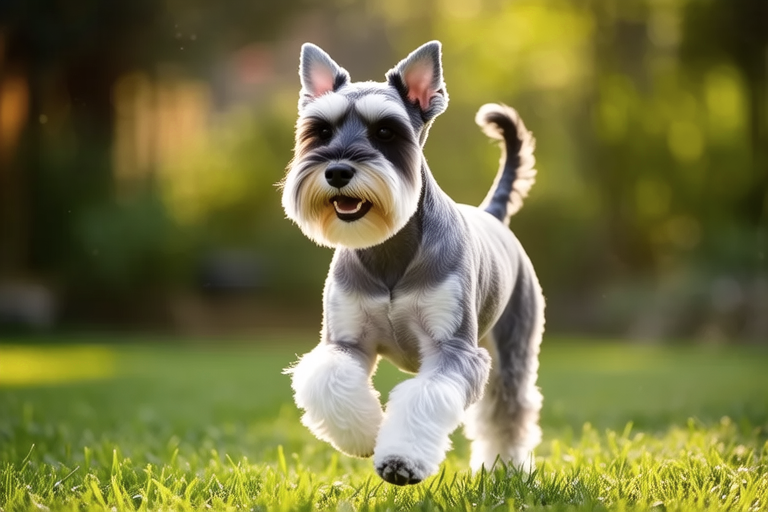
How to Keep Your Schnauzer Happy and Healthy: Expert Tips
Introduction
Schnauzers are beloved for their unique appearance and friendly demeanor. They come in three sizes: Standard, Miniature, and Giant, each with distinct traits but all sharing a common need for attentive care. Proper nutrition, regular exercise, thorough grooming, and mental stimulation are essential to ensuring your Schnauzer leads a long, healthy, and happy life. This article provides expert tips on how to meet these needs effectively.
Proper Nutrition
Feeding your Schnauzer a balanced diet is crucial for its overall health. High-quality dog food that meets AAFCO (Association of American Feed Control Officials) standards is recommended. The diet should be rich in protein, moderate in fat, and low in carbohydrates. Consult with your veterinarian to determine the appropriate amount of food based on your Schnauzer’s age, weight, and activity level.
Avoid overfeeding, as Schnauzers are prone to obesity, which can lead to joint problems and other health issues. Fresh water should always be available, and treats should be given sparingly to avoid disrupting the balance of their main meals.
Some beneficial supplements include Omega-3 fatty acids for skin and coat health, glucosamine for joint support, and probiotics for digestive health. Always consult with your vet before introducing any new supplements or changes to your dog’s diet.
Exercise Routines Tailored for Schnauzers
Regular physical activity is vital for maintaining a Schnauzer’s physical fitness and mental well-being. Exercise requirements vary depending on the size of the Schnauzer:
- Standard Schnauzers: Require more vigorous exercise such as running, hiking, or playing fetch. Aim for at least two hours of daily activity.
- Miniature Schnauzers: Benefit from shorter, more frequent walks. One hour per day is generally sufficient.
- Giant Schnauzers: Also need extensive exercise but may require more structured activities like agility training or swimming due to their larger size.
In addition to formal exercise, interactive play sessions can help keep your Schnauzer mentally stimulated and physically active. Consider using puzzle toys or hide-and-seek games to engage both body and mind.
Grooming Needs
Schnauzers have a distinctive double coat that requires regular grooming to prevent matting and maintain hygiene. Brushing should be done at least twice a week using a slicker brush and comb. Professional grooming every six weeks is advisable to keep their coat trimmed and neat.
Bathing should be limited to once every few months unless necessary, as excessive bathing can strip natural oils from the skin. Use hypoallergenic shampoos designed for dogs with sensitive skin. Regular nail trimming, ear cleaning, and dental care are also important aspects of grooming.
Trimming the hair around the eyes and ears can improve visibility and reduce the risk of infections. It’s best to seek professional assistance for this task if you’re not experienced.
Common Health Issues and Preventative Measures
Like many breeds, Schnauzers are susceptible to certain genetic conditions. Early detection and intervention can significantly improve outcomes:
- Hereditary Cataracts: Regular eye exams by a veterinary ophthalmologist can catch cataracts early.
- Portosystemic Shunts: Liver shunts can be detected through blood tests and imaging studies. Surgery may be required.
- Bladder Stones: Feeding a prescription diet low in magnesium and calcium can help prevent stone formation.
- Allergies: Common symptoms include itching, redness, and ear infections. An elimination diet under veterinary supervision can identify triggers.
Vaccinations and annual check-ups are critical for preventing infectious diseases and monitoring general health. Parasite control, including flea, tick, and heartworm prevention, should be maintained year-round.
Training Techniques
Schnauzers are intelligent and eager to please, making them excellent candidates for training. Positive reinforcement methods work best; rewarding good behavior with treats, praise, or toys encourages repetition. Consistency is key—using the same commands and rewards every time ensures your Schnauzer understands expectations.
Basic obedience training covers commands like sit, stay, come, and heel. Socialization from an early age helps your Schnauzer become comfortable around people and other animals. Advanced training might include agility courses or therapy work, depending on your dog’s interests and abilities.
Leash training is particularly important for Schnauzers, who can be strong pullers. Teaching them to walk calmly beside you prevents strain on both your relationship and their joints.
Tips for Mental Stimulation
Mental enrichment is just as important as physical activity for keeping your Schnauzer engaged and content. Puzzle toys challenge their problem-solving skills while providing entertainment. Rotate toys regularly to maintain interest.
Teaching new tricks or introducing interactive games like hide-and-seek stimulates cognitive functions. Enrolling in obedience classes or participating in canine sports offers social interaction and learning opportunities.
Providing chew toys and bones satisfies their natural urge to chew while promoting dental health. Interactive feeding devices that dispense kibble gradually encourage mental engagement during meal times.
Conclusion
By following these expert tips, you can ensure your Schnauzer remains happy and healthy throughout its life. Pay attention to its nutritional needs, provide adequate exercise, maintain proper grooming practices, address potential health issues proactively, employ effective training methods, and offer plenty of mental stimulation. With love and care, your Schnauzer will thrive and bring joy into your home.
