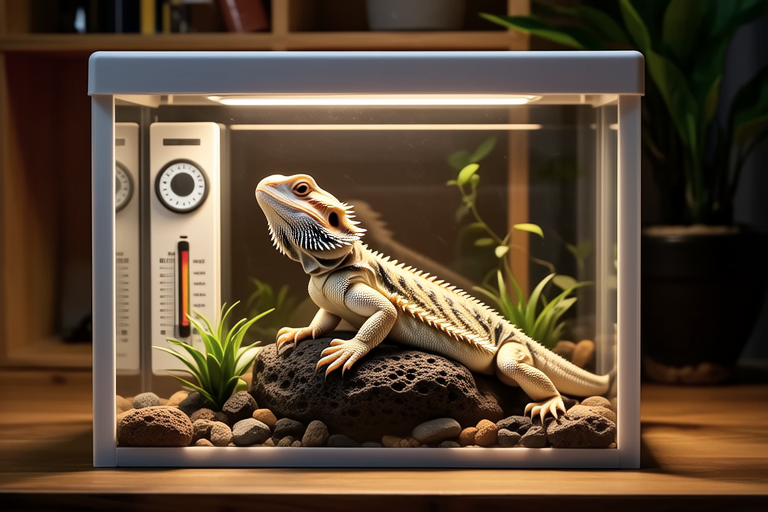
Transform Your Home into the Perfect Habitat for Your Bearded Dragon
Welcome to the fascinating world of bearded dragons! These charming reptiles are popular pets due to their friendly nature and relatively low maintenance requirements. However, creating an ideal habitat is crucial for their health and happiness. This guide will walk you through setting up a perfect home for your bearded dragon, covering essential elements such as tank size, lighting requirements, temperature gradients, substrate options, hiding spots, feeding areas, and regular maintenance tips. We’ll also discuss humidity levels, ventilation, and safety precautions to ensure a healthy environment.
Appropriate Tank Size
The first step in creating a suitable habitat is choosing the right tank size. A 40-gallon breeder tank is recommended for adult bearded dragons, providing ample space for movement and exploration. For juveniles, a 20-gallon tank suffices but should be upgraded as they grow. Ensure that the tank has a secure lid with adequate ventilation to prevent escapes and promote airflow.
Lighting Requirements
Bearded dragons require specific lighting to meet their physiological needs. UVB light is essential for calcium absorption and overall health. Install a high-quality UVB lamp that covers at least 75% of the tank’s surface area. Position it close enough so that your dragon can bask under it without overheating. Additionally, provide full-spectrum lighting to simulate daylight cycles, ensuring 12 hours of light and 12 hours of darkness daily.
Temperature Gradients
Maintaining appropriate temperatures within the tank is vital. Create a thermal gradient by placing a heat source at one end of the tank, allowing cooler temperatures at the opposite end. The hot spot should reach between 95°F and 110°F (35°C – 43°C), while the cool side should range from 75°F to 85°F (24°C – 29°C). Use thermometers placed at both ends to monitor these temperatures accurately. Avoid placing heat sources directly above or near the substrate to prevent burns.
Substrate Options
Selecting the right substrate is crucial for preventing impaction and maintaining hygiene. While some owners prefer loose substrates like sand or calcium sand, many opt for safer alternatives. Reptile carpet, paper towels, or ceramic tiles are excellent choices, especially for young dragons prone to impaction. If using loose substrates, avoid small particles that could be ingested during feeding.
Hiding Spots
Providing hiding spots helps reduce stress and promotes natural behaviors. Incorporate caves, tunnels, or hollow logs where your dragon can retreat when feeling threatened or needing privacy. Ensure these structures are securely fastened and large enough for your dragon to comfortably fit inside. Multiple hiding spots throughout the tank allow for different temperature zones, enhancing comfort.
Feeding Areas
Designate a specific area within the tank for feeding to minimize substrate ingestion. Elevated platforms or shallow bowls work well for this purpose. Keep food away from water dishes to prevent contamination. Regularly clean and disinfect feeding areas to maintain hygiene and prevent bacterial growth.
Humidity Levels
Bearded dragons thrive in dry environments, so maintaining low humidity levels is important. Aim for relative humidity between 30% and 40%. Overly humid conditions can lead to respiratory issues and skin problems. Monitor humidity using a hygrometer and adjust as necessary by increasing ventilation or reducing water dish size.
Ventilation
Proper ventilation ensures fresh air circulation within the tank, which is vital for your dragon’s respiratory health. Ensure that the tank lid has adequate mesh openings to facilitate airflow without compromising security. Avoid overcrowding the tank with decorations, as this can obstruct ventilation paths.
Safety Precautions
Implement several safety measures to protect your bearded dragon. Secure the tank lid with clips or locks to prevent accidental opening. Place the tank away from direct sunlight and heat sources to avoid overheating. Regularly inspect all equipment for wear and tear, replacing any damaged items promptly. Teach children handling techniques to minimize risks associated with improper care.
Mimicking Natural Habitats
Creating an environment that closely resembles a bearded dragon’s natural habitat enhances its quality of life. Introduce live plants, rocks, and branches to encourage climbing and basking. Arrange these elements strategically to create distinct temperature zones and visual barriers. Regularly rotate decorations to keep the environment stimulating and interesting.
Selecting Accessories and Toys
Choose accessories and toys that cater to your dragon’s physical and mental well-being. Branches and rocks offer opportunities for climbing and exercise, promoting muscle development and mental stimulation. Interactive toys, such as treat-dispensing puzzles, challenge your dragon mentally while rewarding them with treats. Rotate toys periodically to prevent boredom and maintain interest.
Regular Maintenance Tips
Consistent upkeep ensures a clean and healthy living space for your bearded dragon. Clean the tank weekly, removing waste and uneaten food. Disinfect all surfaces using a reptile-safe cleaner, paying special attention to areas where your dragon spends most of its time. Replace substrates as needed, typically every few months, depending on usage. Check heating and lighting equipment regularly for proper functioning, adjusting settings if necessary.
In conclusion, transforming your home into the perfect habitat for your bearded dragon involves careful planning and attention to detail. By addressing key aspects such as tank size, lighting, temperature control, substrate choice, hiding spots, feeding areas, humidity management, ventilation, and safety precautions, you can create an environment that supports your pet’s health and happiness. Regular maintenance and enrichment activities further enhance their quality of life. With these guidelines in mind, you’re well on your way to providing your bearded dragon with a thriving sanctuary.
