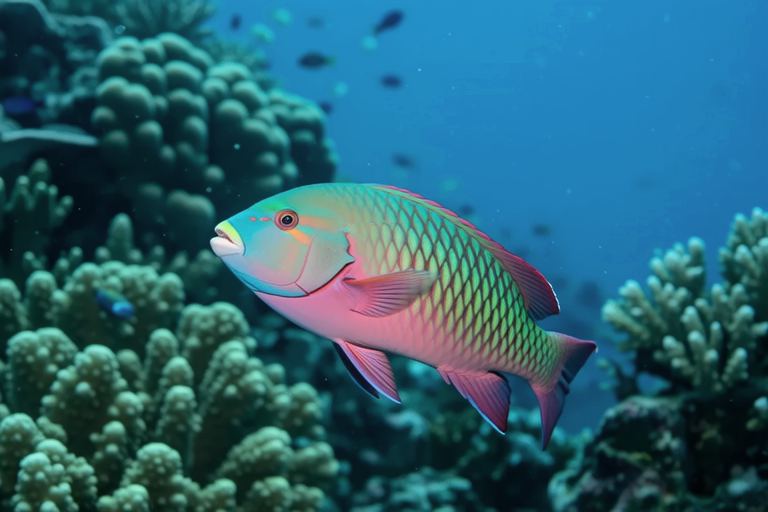
Parrot Fish: Nature’s Unsung Heroes for Ocean Health
In the vast and vibrant world beneath the waves, there exists a small but mighty creature that plays an indispensable role in maintaining the health of our oceans: the parrot fish. These colorful, vibrant fish are not only a marvel to behold but also vital players in the intricate web of marine ecosystems. This article delves into the ecological significance of parrot fish, their unique grazing habits, their impact on coral reef health, and the broader implications of their presence or absence in our oceans.
The Ecological Role of Parrot Fish
Parrot fish are found in tropical and subtropical waters around the globe, particularly in coral reefs. They are known for their striking appearance, with vibrant hues ranging from electric blues and greens to vivid pinks and yellows. Their name comes from their beak-like mouth, which they use to scrape algae off coral and other hard surfaces. These fish are essential to the health of coral reefs, acting as nature’s gardeners by preventing the overgrowth of algae.
Preventing Algae Overgrowth
One of the most significant contributions of parrot fish is their ability to control algal growth. Coral reefs are delicate ecosystems where balance is crucial for survival. Algae can quickly take over if left unchecked, smothering corals and reducing the diversity of species that depend on the reef. Parrot fish consume large amounts of algae, effectively keeping it in check. A single adult parrot fish can consume several tons of algae per year, making them invaluable in maintaining the health of coral reefs.
Impact on Biodiversity
The grazing activities of parrot fish not only benefit the reefs directly but also have a ripple effect on the entire ecosystem. By keeping algae in check, they promote the growth of coral polyps, which in turn provide habitat for countless other species. This increases biodiversity, ensuring a healthy and thriving marine environment. Without parrot fish, many species that rely on coral reefs would face significant challenges, potentially leading to declines in populations and even extinctions.
Carbon Cycle Influence
Parrot fish play a critical role in the carbon cycle within marine environments. As they graze on algae, they ingest calcium carbonate, which is a key component of coral skeletons and other calcified organisms. When they excrete waste, much of this calcium carbonate is transformed into sand. This process contributes significantly to the formation of beaches and atolls, which are vital for coastal protection and tourism. Moreover, the conversion of calcium carbonate into sand helps regulate the levels of carbon dioxide in the ocean, contributing to the global carbon cycle.
Threats to Parrot Fish Populations
Despite their importance, parrot fish populations are under threat due to various human activities. Overfishing is one of the primary concerns, as these fish are highly sought after for their meat and vibrant colors. Many countries have strict regulations on fishing, but enforcement can be challenging, especially in remote areas. Additionally, habitat destruction caused by pollution, climate change, and coastal development further exacerbates the problem. Coral bleaching events, often linked to rising sea temperatures, can severely damage the reefs where parrot fish live and feed.
Implications of Decline
The decline of parrot fish populations has far-reaching consequences for ocean health. With fewer parrot fish to control algal growth, reefs become more vulnerable to degradation. This can lead to a cascade of effects, including reduced biodiversity and diminished resilience against environmental stressors. The loss of these fish also impacts coastal communities that rely on healthy reefs for food, tourism, and protection from storms. Furthermore, the reduction in sand production could affect coastal erosion patterns, potentially leading to increased vulnerability to flooding and storm surges.
Conservation Efforts
To address the challenges faced by parrot fish, numerous conservation efforts are underway. Marine protected areas (MPAs) are established to safeguard critical habitats and allow fish populations to recover. These protected zones limit fishing activities and other harmful practices, providing a safe haven for parrot fish and other marine life. Education and awareness campaigns are also vital, helping to inform both local communities and tourists about the importance of protecting these creatures.
Additionally, sustainable fishing practices are encouraged to ensure that parrot fish populations can thrive without being过度
