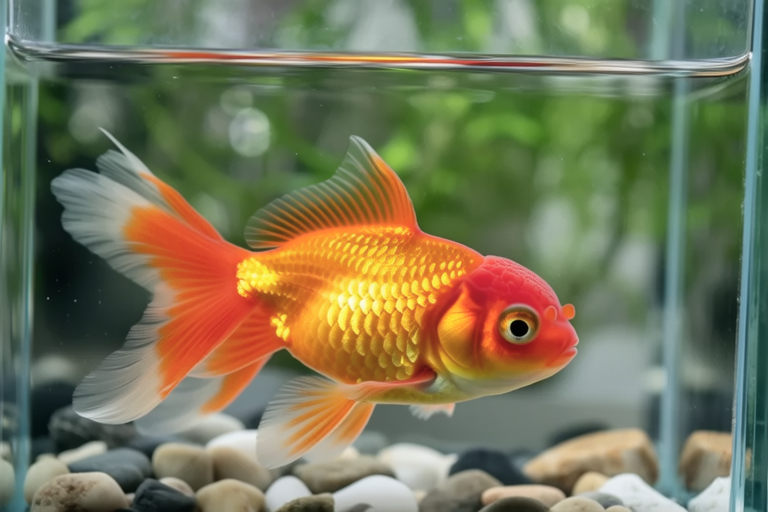
The Surprising Lifespan of Goldfish: What You Need to Know
Goldfish are one of the most popular pets globally, often seen as low-maintenance companions for beginners. However, many people harbor misconceptions about their lifespan. This article aims to debunk these myths, provide scientific insights into what affects goldfish longevity, and offer practical advice for maximizing your pet’s lifespan and overall well-being.
Debunking Common Myths About Goldfish Lifespan
One of the most prevalent myths is that goldfish have a short lifespan, typically around one year. This misconception likely stems from the observation of goldfish in small bowls or tanks where they struggle to survive due to inadequate conditions. In reality, goldfish can live much longer when provided with proper care.
Another myth is that goldfish only grow to a certain size based on the size of their container. While it is true that goldfish growth is influenced by their environment, they can grow much larger in spacious, well-maintained tanks. The idea that goldfish stop growing at a certain point is misleading and discourages owners from providing adequate space for their pets.
Factors Affecting Goldfish Longevity
Tank Size
One of the most critical factors influencing goldfish longevity is the size of their tank. Goldfish need ample space to swim freely and maintain their health. A general rule of thumb is to provide at least 20 gallons of water per goldfish. Larger tanks allow for better water circulation, reducing stress and promoting healthier fish.
For example, a single goldfish can thrive in a 20-gallon tank, but if you plan to keep multiple goldfish, you should increase the tank size accordingly. A 40-gallon tank is recommended for two goldfish, and for every additional goldfish, add another 20 gallons.
Water Quality
Water quality plays a significant role in the health and longevity of goldfish. Poor water quality can lead to diseases, infections, and even death. Regular maintenance, including water changes and filtration, is essential to ensure optimal conditions.
Adequate filtration systems remove harmful substances like ammonia, nitrite, and nitrate from the water. These chemicals are produced by fish waste and uneaten food and can be toxic if allowed to accumulate. A good filter will also help maintain oxygen levels, which is crucial for goldfish health.
Water temperature should be kept between 68°F and 74°F (20°C and 23°C) for most goldfish species. Sudden changes in temperature can stress the fish and make them more susceptible to illnesses.
Diet
Proper nutrition is vital for goldfish longevity. A balanced diet rich in proteins, vitamins, and minerals supports their immune system and overall health. High-quality commercial goldfish flakes or pellets are excellent choices, but variety is key. Supplement their diet with occasional treats like blanched vegetables, freeze-dried foods, or live foods.
Overfeeding is a common mistake among goldfish owners. Excess food leads to poor water quality and potential digestive issues. Feed your goldfish small amounts twice daily, ensuring they consume all the food within a few minutes. If there is leftover food, reduce the portion size in subsequent feedings.
Care and Maintenance
Regular care and maintenance routines are necessary to keep goldfish healthy. Besides feeding and monitoring water quality, cleaning the tank and equipment is crucial. Perform weekly partial water changes to remove toxins and replenish beneficial bacteria. Clean the filter media regularly without completely drying it out, as this can disrupt the bacterial balance.
Goldfish are social creatures and benefit from the company of other goldfish. Keeping them in groups helps reduce stress and encourages natural behaviors. However, ensure the tank is large enough to accommodate all the fish comfortably.
Real-Life Examples of Long-Lived Goldfish
Several documented cases showcase goldfish living far beyond the typical one-year lifespan. For instance, Tish, a goldfish owned by David Harrison, lived for 43 years. Tish’s longevity can be attributed to her owner’s commitment to providing a spacious tank, high-quality food, and regular water maintenance.
In another case, a goldfish named Goldie was reported to have lived for 41 years. Goldie’s owner, John Wilson, emphasized the importance of a stable environment, consistent feeding, and minimal stress. These examples highlight how proper care can significantly extend a goldfish’s life expectancy.
Practical Tips for Maximizing Your Goldfish’s Lifespan and Well-Being
Choose the Right Tank Setup
When setting up a tank for your goldfish, consider their swimming habits and social needs. Opt for a long, rectangular tank that allows ample swimming space. Equip the tank with a reliable filtration system and heaters to maintain stable water conditions.
Maintain Water Quality
Test the water regularly for pH, ammonia, nitrite, and nitrate levels. Adjust as needed to ensure optimal conditions. Use water conditioners to neutralize chlorine and heavy metals present in tap water, which can harm goldfish.
Feed a Balanced Diet
Vary your goldfish’s diet to provide a range of nutrients. Incorporate high-protein foods like brine shrimp and daphnia, along with vegetable-based foods. Avoid overfeeding and monitor their eating habits closely.
Provide Appropriate Social Interaction
Goldfish enjoy the company of their own kind. Introduce compatible tank mates gradually and observe their interactions to ensure harmony. Avoid overcrowding the tank, as this can lead to stress and competition for resources.
Monitor Health Closely
Regularly inspect your goldfish for signs of illness, such as loss of appetite, lethargy, or unusual behavior. Early detection and treatment of health issues can prevent complications and improve recovery chances.
Consider Professional Advice
If you’re unsure about any aspect of goldfish care, consult with a veterinarian specializing in aquatic animals. They can provide personalized advice and assistance tailored to your specific situation.
In conclusion, goldfish are capable of living long, healthy lives when given the right care and attention. By understanding the factors that affect their longevity and implementing practical tips, you can ensure your goldfish enjoys a fulfilling life. Remember, the effort you put into creating a suitable environment directly correlates with the length and quality of your goldfish’s life.
