The Life Cycle of a Red-Eared Slider: From Egg to Adulthood
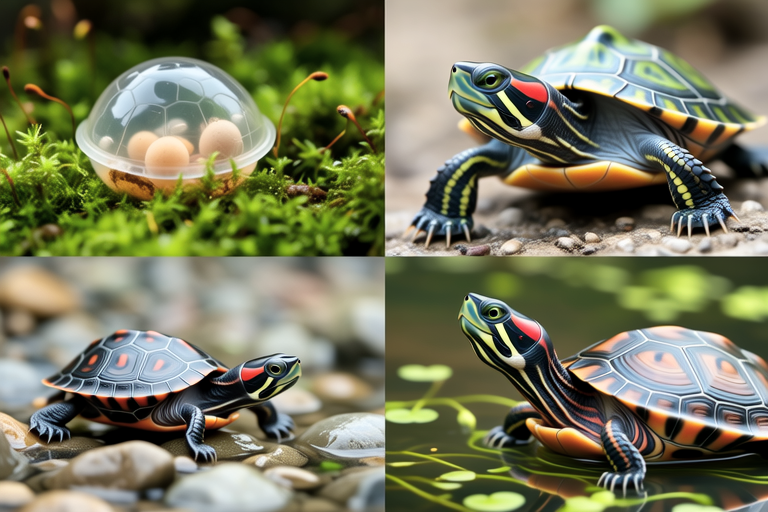
The red-eared slider (Trachemys scripta elegans) is one of the most popular pet turtle species worldwide. Known for their vibrant green shells and distinctive red stripes behind their eyes, these semi-aquatic turtles have captivated the hearts of many turtle enthusiasts. Understanding the life cycle of a red-eared slider is essential for anyone interested in keeping these fascinating creatures as pets or simply curious about their biology. This article will guide you through every stage of the red-eared slider’s life, from its origin as an egg to its eventual adulthood.
Origin as an Egg
The journey of a red-eared slider begins with mating, which typically occurs between April and June. Male red-eared sliders are known for their courtship dance, where they swim around the female, tapping her head or forelegs with their long claws. If the female accepts the male’s advances, she will lay her eggs a few weeks later. The female usually selects a sunny, sandy spot near water bodies like ponds or rivers to dig a nest. She uses her hind legs to excavate a shallow hole, sometimes up to 6 inches deep.
Once the nest is ready, the female lays anywhere from 4 to 22 eggs, depending on her age and size. These eggs are soft-shelled and leathery, about the size of ping pong balls. After laying the eggs, the female carefully covers them with sand and leaves, camouflaging the nest to protect it from predators. Incubation takes place naturally without any parental care.
Incubation Period
The incubation period for red-eared slider eggs lasts approximately 55 to 85 days, depending on environmental conditions such as temperature and humidity. Optimal incubation temperatures range from 75°F to 85°F (24°C to 29°C). Higher temperatures tend to shorten the incubation period but can also increase the likelihood of producing predominantly males. Conversely, cooler temperatures may extend the incubation time and favor the development of females.
During this crucial phase, it’s important to maintain stable conditions if you’re artificially incubating the eggs. A common method involves placing the eggs in vermiculite or perlite substrate, ensuring that the moisture content remains consistent. Regular monitoring is necessary to prevent the eggs from drying out or becoming too moist, which could lead to embryo death.
Hatching Process
As the incubation period comes to an end, the baby turtles, called hatchlings, start to emerge from their eggs. The first sign of hatching is when the hatchling starts to break the eggshell using its egg tooth, a temporary structure located on the tip of its snout. This process can take several hours as the hatchling uses its egg tooth to create a small opening in the shell.
Once the hatchling has made an initial hole, it will pause to rest before continuing to work on enlarging the opening. Eventually, the hatchling will push its way out of the egg entirely. It might take a few more days for the hatchling to fully absorb the remaining yolk sac, which provides essential nutrients for survival immediately after birth.
Caretakers should ensure that the incubation container is large enough for the hatchlings to move freely and access water if needed. Providing a shallow dish of water helps the hatchlings to hydrate and aids in the absorption of the yolk sac. Once the hatchlings are active and fully hydrated, they can be moved to a separate enclosure suitable for young turtles.
Juvenile Stages
Red-eared slider hatchlings are tiny, measuring only about 1 inch in length. They possess a distinct yellow stripe behind each eye, which gradually fades as they mature. Juveniles grow rapidly during their first year, doubling in size within just six months. Their diet consists primarily of insects, worms, and small aquatic plants. As they grow, their dietary preferences shift towards more plant matter and commercial turtle pellets.
During this stage, it’s vital to provide a well-balanced diet rich in protein and calcium. Feeding juvenile red-eared sliders a mix of fresh vegetables, fruits, and high-quality turtle food ensures proper growth and development. Avoid overfeeding, as excess food can lead to obesity and health issues. A rule of thumb is to feed them daily in small portions, ensuring they consume all the food within five minutes.
Proper housing is equally important for juveniles. They require a spacious tank with both water and land areas, allowing them to bask and swim. Water should be clean and filtered, and the basking area should be heated to mimic natural sunlight. UVB lighting is essential for calcium absorption and overall health. Regular water changes and cleaning the enclosure help maintain hygiene and prevent infections.
Growth Patterns
Red-eared sliders continue to grow throughout their lives, though their rate of growth slows down significantly after reaching sexual maturity, which occurs around 3 to 5 years of age. Adult females can reach sizes of up to 13 inches in carapace length, while males typically max out at about 10 inches. Growth rates vary based on factors like genetics, nutrition, and environmental conditions.
During their juvenile years, red-eared sliders exhibit rapid growth, often gaining several inches per year. However, as they approach adulthood, their growth slows down considerably. By the time they reach full size, they have developed robust shells and strong limbs adapted for swimming and climbing onto rocks or logs to bask. Their coloration also becomes more vibrant, with darker green hues and brighter red stripes behind the eyes.
Owners of red-eared sliders should monitor their growth by regularly measuring their carapace length. This helps track their progress and ensures that they are growing at a healthy rate. If growth appears stunted or abnormal, it could indicate underlying health issues that require veterinary attention.
Dietary Needs at Different Life Stages
Understanding the dietary needs of red-eared sliders at various life stages is crucial for maintaining their health and well-being. Hatchlings and juveniles require a higher protein intake compared to adults due to their rapid growth. Their diet should consist of a variety of live foods such as crickets, earthworms, and bloodworms, along with commercial turtle pellets formulated for growing turtles.
As red-eared sliders transition into adulthood, their nutritional requirements change. Adults benefit from a diet rich in plant matter, including leafy greens like romaine lettuce, dandelion greens, and aquatic plants. Commercial turtle pellets designed for adult turtles should also be part of their diet. Offering a diverse array of foods ensures that they receive all necessary nutrients for optimal health.
Vitamin and mineral supplements play a significant role in maintaining the health of red-eared sliders. Calcium is particularly important for shell strength and bone health. Providing a calcium block or supplement in their enclosure encourages them to ingest the necessary minerals. Additionally, ensuring access to natural sunlight or UVB lighting helps facilitate calcium absorption.
Habitat Preferences
Red-eared sliders are semi-aquatic turtles, meaning they spend part of their time in water and part on land. Creating an appropriate habitat is essential for their physical and mental well-being. Juveniles require a tank with both water and land areas, with a water depth of at least twice their shell length. Adult turtles need larger enclosures, with water depths of at least three times their shell length.
The water in their enclosure should be clean and filtered to prevent bacterial growth and maintain water quality. Regular water changes are necessary to keep the environment hygienic. Basking areas should be provided, allowing the turtles to dry off and regulate their body temperature. These areas should be easily accessible and equipped with a heat lamp to simulate natural sunlight.
In addition to water and land areas, providing enrichment opportunities enhances the turtles’ quality of life. Floating toys, hiding spots, and climbing structures stimulate their natural behaviors and encourage exploration. Ensuring a balanced and stimulating environment supports their physical and mental health.
Key Milestones
Several key milestones mark the progression of a red-eared slider’s life. At birth, hatchlings are tiny and vulnerable, requiring careful handling and proper care to thrive. As they grow, they develop stronger shells and limbs, adapting to their aquatic environment. Sexual maturity is another significant milestone, typically reached between 3 and 5 years of age. During this period, males begin displaying courtship behavior, and females start preparing to lay eggs.
Adult red-eared sliders are known for their longevity, often living up to 20 years or more in captivity. Proper care, including a nutritious diet, adequate space, and suitable environmental conditions, contributes to their long lifespan. Observing these milestones helps caretakers understand the developmental stages of their turtles and provide appropriate care at each stage.
Supporting Each Stage of Development
To ensure optimal health and development of red-eared sliders at each stage, caretakers should focus on several key aspects:
- Proper Housing: Provide spacious enclosures with appropriate water and land areas, ensuring they can swim, bask, and explore.
- Nutritious Diet: Offer a balanced diet tailored to their specific life stage, incorporating a variety of foods and supplements.
- Hygiene: Maintain clean water and regular water changes to prevent infections and promote good health.
- Environmental Enrichment: Include toys, hiding spots, and climbing structures to stimulate natural behaviors and enhance their well-being.
- Regular Health Checks: Monitor their growth, behavior, and overall health, seeking veterinary assistance when necessary.
By addressing these areas, caretakers can support the healthy development of red-eared sliders throughout their life cycle.
Conclusion
The life cycle of a red-eared slider is a fascinating journey from egg to adulthood, marked by significant milestones and developmental changes. Understanding each stage of their life allows caretakers to provide the best possible care, ensuring their turtles live long, healthy lives. Whether you’re a seasoned turtle keeper or a curious enthusiast, delving into the life cycle of these remarkable creatures offers valuable insights into their biology and behavior. With proper care and attention, red-eared sliders can thrive in captivity, bringing joy and companionship to their human caretakers.
