From River to Tank: How to Care for Your Exotic Arowana Pet
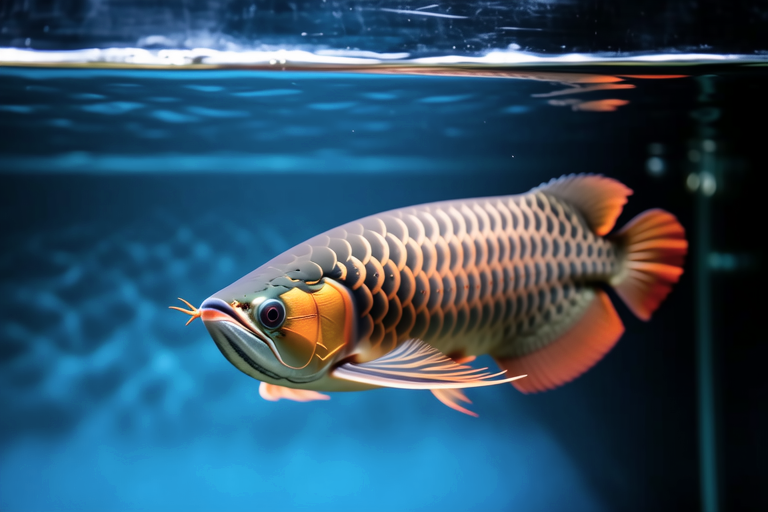
The Arowana is one of the most sought-after and exotic freshwater fish species, admired for its unique characteristics and captivating presence. Native to Southeast Asia, these ancient fish have been revered for centuries, often considered symbols of good luck and prosperity in many cultures. Their distinctive appearance, characterized by a large, elongated body, a long dorsal fin, and a mouth that can extend out of the water to catch prey, makes them a standout in any aquarium.
Navigating the Transition from River to Tank
Transitioning an Arowana from its natural river environment to an aquarium setting presents several challenges. The first step is understanding the differences between the two environments. Rivers offer vast spaces, varied temperatures, and a diverse range of food sources, whereas aquariums are confined, controlled environments that require careful management to mimic the conditions of their natural habitat.
The key considerations include ensuring adequate space, replicating water parameters, and providing appropriate filtration and temperature control. Arowanas are highly active and need ample room to swim, so selecting the right tank is crucial. Additionally, maintaining the correct pH levels, water hardness, and temperature is essential for their well-being.
Setting Up the Ideal Aquarium
To accommodate an Arowana, the tank must be at least 7 feet long, 3 feet wide, and 3 feet deep. This provides sufficient swimming space and helps prevent stress caused by confinement. The tank should be equipped with robust filtration systems to maintain water clarity and quality, as Arowanas produce a significant amount of waste.
Water parameters must be closely monitored and adjusted as necessary. The ideal pH level is between 6.5 and 7.5, and the water hardness should be kept within the range of 4 to 10 dGH. Temperature control is also critical, with the water temperature maintained between 78°F and 84°F. A high-quality heater and thermometer are indispensable tools for achieving and sustaining these conditions.
Dietary Needs and Feeding Habits
Arowanas are carnivorous and require a diet rich in protein. In the wild, they primarily feed on insects, small fish, crustaceans, and occasionally amphibians. When kept in captivity, it’s important to provide a balanced diet that mimics their natural food sources. Live or frozen foods such as earthworms, feeder fish, and shrimp are excellent choices. However, some owners may prefer to use prepared foods like pellets and sticks designed specifically for large predatory fish.
Feeding habits should be observed carefully. Arowanas tend to eat multiple times a day but only small quantities each time. Overfeeding can lead to obesity and health issues. It’s advisable to feed them twice daily, offering just enough food that they can consume within five minutes. Ensuring a variety in their diet helps meet their nutritional requirements and keeps them healthy.
Maintaining Water Quality
Regular maintenance is vital to ensure optimal water quality. Weekly partial water changes of about 20% are recommended to remove accumulated toxins and refresh the environment. This process involves siphoning out debris from the substrate and replacing the water with fresh, conditioned water that matches the existing tank parameters.
Frequent monitoring of water parameters using test kits is also essential. Parameters such as ammonia, nitrite, and nitrate levels should be kept within safe limits to prevent harmful build-ups. Additionally, maintaining proper oxygenation through efficient filtration and aeration ensures that the Arowana has access to clean, well-oxygenated water.
Common Health Issues and Preventive Measures
Arowanas are generally hardy fish, but they are not immune to health problems. Common issues include bacterial infections, fungal growth, and parasitic infestations. These can be exacerbated by poor water quality, improper nutrition, or stress. Early detection and treatment are crucial for successful recovery.
To prevent health issues, it’s important to maintain a clean and stable environment. Regular water changes, proper filtration, and a balanced diet go a long way in keeping your Arowana healthy. Quarantine new additions to the tank for at least four weeks before introducing them to the main aquarium to avoid the introduction of diseases.
Tank Mates and Behavioral Insights
Selecting appropriate tank mates for an Arowana requires careful consideration. Due to their aggressive nature and large size, compatible species should be chosen based on their ability to coexist peacefully. Fish that are too small may become prey, while overly aggressive tank mates might provoke territorial disputes. Some suitable companions include other large, peaceful fish species like Oscars, pacus, and large cichlids.
Arowanas are territorial and may display aggressive behavior towards other fish, especially those of similar size or shape. Providing ample hiding spots and visual barriers can help reduce aggression and promote a more harmonious environment. Understanding and respecting their territorial instincts is key to maintaining a balanced aquarium.
Importance of Regular Monitoring and Care Routines
Regular monitoring of your Arowana’s health and behavior is crucial for early detection of any issues. Observing their appetite, activity levels, and physical condition can provide valuable insights into their overall well-being. Additionally, maintaining a consistent care routine, including feeding schedules and water maintenance, helps ensure a stable and healthy environment.
It’s also important to periodically check for signs of disease or injury, such as lethargy, loss of appetite, unusual swimming patterns, or visible lesions. Prompt action when issues arise can prevent minor problems from escalating into serious health concerns.
Long-Term Care and Rewards
Owning an Arowana is a long-term commitment that requires dedication and effort. Proper care and attention will reward you with a thriving, vibrant fish that adds a touch of elegance and wonder to your home. The bond formed with your Arowana can be deeply fulfilling, and watching them grow and thrive in their aquarium is a source of continuous joy.
In conclusion, caring for an Arowana involves creating a suitable environment, providing a balanced diet, maintaining water quality, and addressing health concerns promptly. With the right care and attention, your Arowana can live a long and healthy life, bringing beauty and fascination to your aquarium. The rewards of owning such a majestic fish are truly unparalleled.
