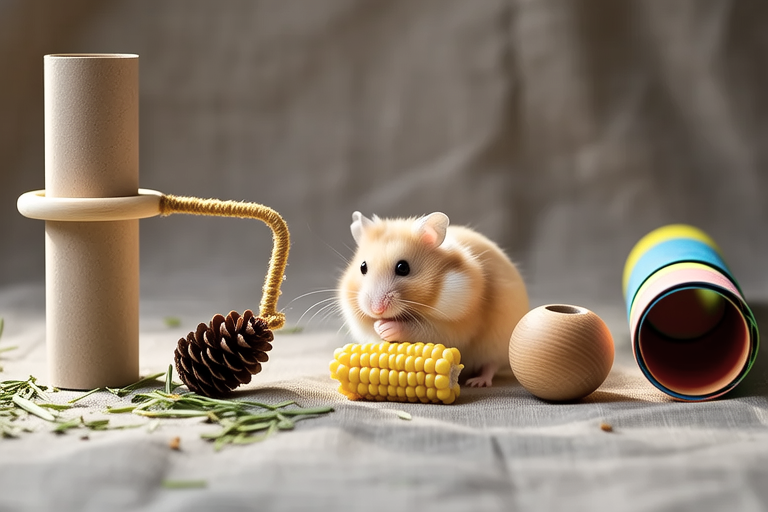
5 Ingenious DIY Toys to Keep Your Hamster Happy and Busy
Welcome to the world of DIY hamster toys! Creating your own toys for your little furry friend can be both fun and rewarding. Not only will it save you money, but it will also ensure that your hamster remains mentally and physically stimulated. In this article, we’ll explore five ingenious DIY toys that are sure to keep your hamster happy and busy. Each toy comes with detailed step-by-step instructions, a list of materials, and an explanation of how it benefits your hamster’s well-being.
The Importance of Environmental Enrichment for Hamsters
Before diving into the DIY projects, let’s talk about why environmental enrichment is so important for your hamster’s well-being. Hamsters are naturally curious and active creatures. In the wild, they spend their days foraging, exploring, and digging. Without proper stimulation, they can become bored, stressed, or even develop behavioral issues like over-grooming or aggression. By providing them with an enriched environment, you’re helping them lead healthier, happier lives.
Environmental enrichment involves adding elements to your hamster’s habitat that encourage exploration, problem-solving, and physical activity. This can include toys, tunnels, and other structures that challenge your hamster’s mind and body. The toys we’ll discuss in this article are designed to provide just that kind of enrichment.
DIY Tunnel System
Materials Needed:
- Cardboard tubes (from paper towels or toilet paper)
- Cut-out pieces of cardboard
- Glue
- Scissors
- Non-toxic paint (optional)
Step-by-Step Instructions:
- Prepare the Tubes: Start by gathering several cardboard tubes. These can come from paper towels or toilet paper rolls. Make sure they’re clean and dry before beginning.
- Measure and Cut: Measure and cut the cardboard tubes to create different lengths and shapes. This will help make the tunnel system more interesting for your hamster.
- Assemble the Tunnels: Use glue to attach the ends of the tubes together, creating a network of tunnels. You can also add small cut-out pieces of cardboard to create bends or turns within the tunnels.
- Add Decorations (Optional): If desired, you can paint the outside of the tunnels with non-toxic paint to make them more visually appealing for your hamster.
- Secure the Tunnels: Once everything is assembled, make sure the tunnels are securely glued together. Let the glue dry completely before introducing the toy to your hamster.
How It Stimulates Your Hamster:
This tunnel system encourages your hamster to explore and exercise. It provides a safe space for them to run through and hide in, which can reduce stress and anxiety. The varying sizes and shapes of the tunnels also stimulate their curiosity, encouraging them to investigate every nook and cranny.
DIY Exercise Wheel
Materials Needed:
- Cardboard or plastic sheeting
- Strong tape or glue
- Sturdy frame (you can use a wire coat hanger or PVC pipe)
- Non-slip material (like felt or fabric)
Step-by-Step Instructions:
- Prepare the Base: Begin by creating a sturdy base for the wheel. If using a wire coat hanger, bend it into a circular shape. If using PVC pipe, cut a section to the desired length.
- Attach the Spokes: Attach spokes to the base using strong tape or glue. These can be made from cardboard or plastic sheeting. Ensure they are evenly spaced around the base.
- Wrap the Spokes: Wrap each spoke with non-slip material to prevent your hamster from slipping off the wheel while exercising.
- Create the Running Surface: Cut out a piece of cardboard or plastic sheeting to fit the circumference of the wheel. Attach it to the spokes using strong tape or glue.
- Secure the Wheel: Attach the wheel to a secure mount inside your hamster’s cage. Make sure it’s stable and won’t wobble when your hamster runs on it.
How It Stimulates Your Hamster:
An exercise wheel allows your hamster to burn off excess energy, which is crucial for their physical health. It also provides mental stimulation as they learn to balance and coordinate their movements. A well-designed wheel with a non-slip surface ensures your hamster can run safely without risking injury.
DIY Hideaway Box
Materials Needed:
- Cardboard box
- Scissors
- Glue
- Non-toxic paint (optional)
- Small treats or bedding material (for filling)
Step-by-Step Instructions:
- Choose the Right Box: Select a cardboard box that’s large enough for your hamster to comfortably enter and exit. The box should have a flat bottom and straight sides.
- Make an Entrance: Using scissors, cut a small entrance hole in one side of the box. Ensure the hole is large enough for your hamster to easily pass through.
- Decorate the Box (Optional): If desired, you can paint the outside of the box with non-toxic paint to make it more visually appealing for your hamster.
- Fill the Box: Before introducing the hideaway box to your hamster, fill it with small treats or bedding material. This will encourage them to explore and investigate the box.
- Place the Box: Position the hideaway box in a corner of your hamster’s cage where they can easily access it. Ensure the box is stable and won’t tip over.
How It Stimulates Your Hamster:
A hideaway box provides a safe and cozy space for your hamster to retreat to when they feel overwhelmed or need some alone time. It also serves as a fun exploration toy, especially if filled with treats or bedding material. The act of finding and entering the box stimulates their curiosity and problem-solving skills.
DIY Foraging Ball
Materials Needed:
- Ball (preferably soft and lightweight)
- Hole puncher
- Small treats
- Foam or fabric scraps
Step-by-Step Instructions:
- Punch Holes: Using a hole puncher, punch several small holes in the ball. Make sure the holes are large enough for your hamster to reach their paws through but small enough to prevent them from pulling out the treats.
- Insert Treats: Place small treats inside the ball. These can be hamster pellets, seeds, or other safe snacks. You can also use foam or fabric scraps to fill any gaps between the treats.
- Test the Ball: Before introducing the foraging ball to your hamster, test it to ensure the treats are securely inside and won’t fall out too easily.
- Introduce the Toy: Place the foraging ball in your hamster’s cage. Watch as they roll the ball around, trying to reach the treats through the holes.
How It Stimulates Your Hamster:
A foraging ball challenges your hamster to think creatively and work for their food, mimicking the natural foraging behavior they would exhibit in the wild. This type of mental stimulation is essential for preventing boredom and promoting cognitive health. Additionally, rolling the ball around provides physical exercise, helping your hamster stay fit and healthy.
DIY Ladder and Platform Set
Materials Needed:
- Wooden dowels or sticks
- Strong string or twine
- Non-toxic paint (optional)
- Small platforms or perches
Step-by-Step Instructions:
- Prepare the Dowels: Gather several wooden dowels or sticks of varying lengths. Sand them down to remove any rough edges.
- Attach the Dowels: Use strong string or twine to attach the dowels together, creating a ladder-like structure. Make sure the connections are secure and won’t come apart under your hamster’s weight.
- Add Platforms: Attach small platforms or perches to the dowels at various points along the ladder. These can be made from wood, cardboard, or other safe materials.
- Paint the Structure (Optional): If desired, you can paint the ladder and platform set with non-toxic paint to make it more visually appealing for your hamster.
- Mount the Structure: Secure the ladder and platform set inside your hamster’s cage, ensuring it’s stable and won’t tip over.
How It Stimulates Your Hamster:
A ladder and platform set provides your hamster with opportunities for vertical exploration, which can be particularly beneficial for their physical development. Climbing up and down the ladder helps strengthen their muscles and improve coordination. The platforms offer resting spots and vantage points, giving your hamster a sense of accomplishment as they reach new heights.
In conclusion, providing your hamster with an enriched environment is crucial for their overall well-being. The five DIY toys described in this article are easy to make and can greatly enhance your hamster’s quality of life. By stimulating their minds and bodies, you’re helping them live happier, healthier lives. Happy crafting and happy hamster!
