Unique Traits of Leopard Geckos
Leopard geckos (Eublepharis macularius) are one of the most popular reptile pets worldwide due to their unique traits that set them apart from other pets. These charming creatures have distinct physical features, nocturnal habits, and dietary preferences that make them an ideal choice for both novice and experienced pet owners. This article explores the unique qualities of leopard geckos, including their physical appearance, behavior, and care requirements, providing tips for potential owners to bring out their unique characteristics.
Distinct Physical Features
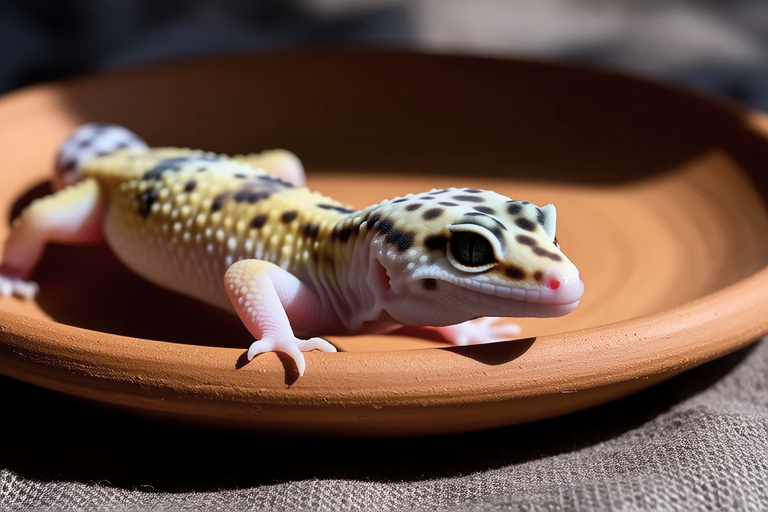
Leopard geckos are known for their striking zebra-like stripes and spots, which contribute significantly to their charm. Their skin is covered in tiny bumps called tubercles, giving them a rough texture. The geckos’ tails are also unique, resembling a fat, stubby cylinder, which serves as an energy reserve. Leopard geckos come in various colors, including yellow, orange, red, and white, with black or dark brown spots and stripes. Some morphs, like the albino and patternless, have distinct colorations and patterns that further enhance their appeal.
Their eyes are large and round, with vertical pupils that help them see better in low light conditions. Leopard geckos lack adhesive toe pads found in many other gecko species, making them unable to climb smooth surfaces. Instead, they have claws that help them dig and burrow in the wild. Their ability to shed their tails as a defense mechanism when threatened is another remarkable feature. While this behavior is fascinating, it’s essential to handle your gecko gently to avoid causing stress and preventing tail loss.
Nocturnal Habits
Leopard geckos are primarily nocturnal animals, meaning they are most active during the night. They spend their days hiding in burrows or under rocks, coming out at dusk to hunt for insects. Owners can observe their activity levels by providing a hide box with a small opening, allowing the gecko to peek out and explore its surroundings. Encouraging a natural day-night cycle is crucial for maintaining their health and well-being.
Ease of Care
Leopard geckos are relatively easy to care for compared to other pets, making them an excellent choice for beginners. They require minimal space, with a 10-gallon tank being sufficient for one adult gecko. A secure lid is necessary to prevent escapes. Substrate options include paper towels, reptile carpet, or eco-friendly bedding like coconut fiber or cypress mulch. Avoid loose substrates like sand or gravel, as they pose a choking hazard if ingested.
Maintaining appropriate temperature gradients is vital for leopard geckos. Provide a basking spot of around 90°F (32°C) at one end of the enclosure and a cooler area of about 75-80°F (24-27°C) at the other end. Use a heat mat or ceramic heater for heating, and a thermometer to monitor temperatures. Ensure there is no direct contact between the gecko and the heat source to prevent burns. UVB lighting is unnecessary for leopard geckos, as they obtain all the vitamin D3 they need through their diet.
Dietary Preferences
Leopard geckos are insectivores, feeding mainly on crickets, mealworms, dubia roaches, and waxworms. Offer a variety of prey items to ensure a balanced diet. Feed juvenile geckos daily, reducing the frequency to every other day as they reach adulthood. Gut-load feeder insects with nutritious food like commercial insect diets, fruits, and vegetables before offering them to your gecko. Dusting prey with calcium and multivitamin supplements once or twice a week helps prevent deficiencies.
Avoid overfeeding, as obesity can lead to health issues. Offer only as much food as your gecko can consume within 10-15 minutes. Monitor your gecko’s weight and body condition regularly, adjusting feeding amounts accordingly. Providing a shallow water dish with fresh water daily is essential for hydration. Clean the water dish regularly to prevent bacterial growth.
Temperament and Interaction with Owners
Leopard geckos are generally docile and calm, making them suitable for handling. However, it’s essential to approach them gently and avoid sudden movements that may startle them. Start by offering treats to build trust, then gradually introduce gentle handling sessions. Always support the gecko’s body when holding it, avoiding excessive squeezing or lifting by the tail.
Leopard geckos may exhibit some peculiar behaviors that add to their charm. For example, they often wave their front legs in a circular motion, known as “waving,” to communicate with other geckos or potential predators. Another fascinating behavior is “arm waving,” where they lift one arm and wave it slowly, possibly to signal submission or curiosity. Owners may also notice their geckos “staring” at them, a sign of interest or curiosity.
Adaptability to Various Environments
Leopard geckos are highly adaptable to various environments, thriving in captivity with proper care. They are native to the arid regions of Pakistan, India, and Afghanistan, where they live in rocky deserts and scrublands. In the wild, they burrow underground to escape extreme temperatures and seek refuge from predators. In captivity, provide a hiding spot or cave for your gecko to retreat to when feeling stressed or threatened. This behavior is instinctual and helps them feel secure in their environment.
Peculiar Behaviors
Leopard geckos exhibit several peculiar behaviors that make them fascinating pets. One of the most interesting is their ability to vocalize. While not common, some geckos produce soft chirping sounds, especially during breeding season or when excited. Another unique behavior is “deworming,” where geckos regurgitate undigested food particles, such as insect exoskeletons, from their mouths. This process helps them maintain digestive health and prevent impaction.
Tips for Potential Owners
When caring for leopard geckos, it’s essential to prioritize their health and well-being. Here are some tips for potential owners:
- Provide a secure enclosure: Ensure the tank has a tight-fitting lid to prevent escapes and protect your gecko from potential hazards.
- Monitor temperature and humidity: Use thermometers and hygrometers to track environmental conditions and adjust heating and humidifying devices as needed.
- Offer a varied diet: Provide a mix of feeder insects and dust them with calcium and multivitamin supplements to ensure a balanced diet.
- Encourage exploration: Place objects like rocks or branches in the enclosure to stimulate your gecko’s natural instincts and encourage exercise.
- Handle gently: Approach your gecko calmly and avoid sudden movements that may startle it. Support its body when handling and avoid excessive squeezing or lifting by the tail.
- Observe behavior: Pay attention to your gecko’s activities and interactions with its environment. Look for signs of stress or illness, such as lethargy, reduced appetite, or abnormal feces.
Leopard geckos are relatively low-maintenance pets, requiring minimal space and effort compared to other animals. However, it’s essential to provide proper care and attention to ensure their health and happiness. By following the tips outlined above, you can create a safe and enriching environment for your gecko, bringing out its unique characteristics and maximizing your enjoyment as a pet owner.
