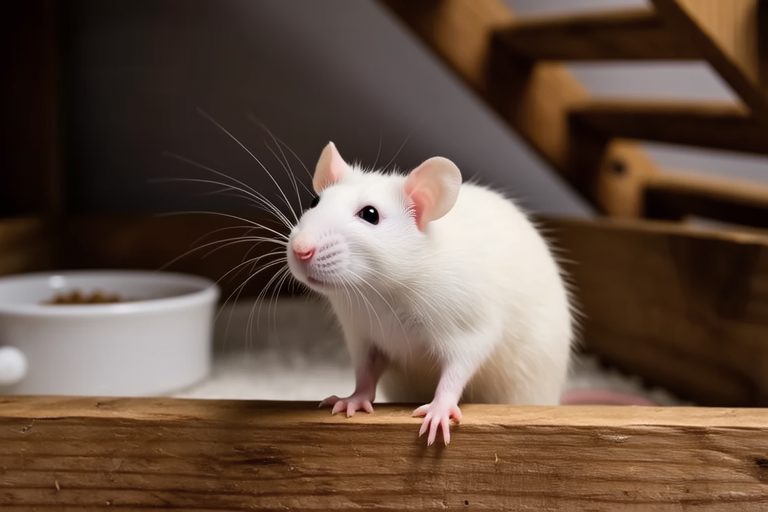
Fancy Rat Care: Tips from Expert Owners You Need to Know
When it comes to pets, fancy rats often get overlooked in favor of more traditional choices like cats or dogs. However, these intelligent, social creatures make wonderful companions with unique needs that, when met, lead to happy and healthy lives. In this comprehensive guide, we’ll delve into the world of fancy rat care, offering valuable insights from expert owners who have years of experience. Whether you’re a first-time rat owner or looking to enhance your current caregiving skills, there’s something here for everyone.
Basic Needs: Housing and Diet
The foundation of any good pet care routine starts with understanding the basic needs of your furry friend. For fancy rats, this includes proper housing and a balanced diet.
Housing
Rats are active and curious animals that require ample space to explore and play. Opt for a cage that allows them to stretch their legs and engage in natural behaviors. Many experts recommend cages with multiple levels and plenty of vertical space, as rats enjoy climbing. A solid-bottom cage is preferable to wire-bottomed ones to prevent injuries from sharp edges or small spaces between wires.
Ensure the cage is placed in a quiet area away from direct sunlight and drafts. Rats thrive in environments that mimic their natural habitats, so adding tunnels, hammocks, and chewable toys can enrich their living space. It’s also essential to keep the cage clean, changing bedding regularly and disinfecting it at least once a month.
Diet
A balanced diet is crucial for maintaining your rat’s health. A high-quality commercial rat food, supplemented with fresh vegetables and fruits, provides the necessary nutrients. Experts suggest rotating foods to ensure variety and prevent picky eating habits. Avoid feeding sugary treats excessively, as they can lead to obesity and other health issues.
In addition to standard fare, consider offering occasional protein-rich snacks like boiled eggs or cooked chicken. Always provide fresh water, either through a sipper bottle or a heavy ceramic bowl that won’t tip over easily.
Health Care
Regular health checks and preventive care are vital to keeping your rat in top condition. Here are some tips from seasoned owners:
Veterinary Visits
Schedule annual check-ups with a veterinarian experienced in rodent care. Early detection of potential health issues can significantly improve outcomes. Look out for signs of illness such as lethargy, loss of appetite, or changes in behavior. Prompt attention can be the difference between life and death.
Common Health Issues
Respiratory infections are one of the most common ailments in rats. Symptoms include sneezing, runny nose, and labored breathing. Immediate veterinary intervention is crucial. Dental problems, often caused by poor diet or lack of appropriate chew toys, can also be problematic. Ensuring a balanced diet rich in fibrous vegetables helps maintain dental health.
Socialization
Rats are highly social animals that benefit greatly from interaction with both humans and other rats. Socializing your rat early on will help build a strong bond and make handling easier.
Handling Your Rat
Begin by allowing your rat to become comfortable in its environment before attempting to handle it. Use gentle, slow movements when picking up your rat, supporting its body fully. Regular interaction builds trust and reduces stress. Many owners report that their rats enjoy being carried around like a pocket pet, providing companionship during daily activities.
Living with Other Rats
Rats are naturally social creatures and often do better when kept in pairs or small groups. Introducing new rats requires patience and careful planning to avoid aggression. Allow them to sniff each other through cage bars initially before slowly introducing supervised play sessions.
Grooming
Grooming isn’t just about appearance; it plays a significant role in your rat’s overall well-being. Regular grooming helps maintain hygiene and prevents skin conditions.
Bathing
Rats generally keep themselves clean through regular grooming, so bathing isn’t usually necessary. If your rat does need a bath, use warm water and a mild shampoo specifically designed for small animals. Be sure to rinse thoroughly and dry completely to prevent chills.
Nail Trimming
Trimming your rat’s nails every few weeks keeps them neat and prevents overgrowth. Use nail clippers designed for small animals, and always have styptic powder handy in case you accidentally cut too close to the quick. Some rats may resist nail trimming, so it’s best to start early and offer treats as positive reinforcement.
Common Behaviors
Understanding your rat’s behavior can deepen your bond and help identify potential issues. Here are some common behaviors observed by expert owners:
Playtime
Rats love to play and explore. Providing stimulating toys and activities keeps them mentally engaged and physically active. Rotate toys periodically to maintain interest and challenge their minds.
Communication
Like many animals, rats communicate through various vocalizations and body language. Squeaks, chirps, and even purring-like sounds indicate different moods. Pay attention to these signals to better understand your rat’s needs and emotions.
Advice for New Owners
Starting with a new pet can be exciting but also daunting. Here are some tips from experienced rat owners to help you navigate the journey:
Research Before Committing
Before bringing home a rat, research thoroughly to ensure you’re prepared for the commitment. Consider factors like lifespan, dietary requirements, and the time investment needed for care and socialization.
Choose the Right Breeder
Opt for reputable breeders who prioritize the health and welfare of their animals. Healthy rats from good breeding stock tend to live longer and exhibit fewer behavioral issues.
Patience and Consistency
Building a relationship with your rat takes time and consistency. Patience is key as you establish routines and trust. Each rat has its own personality, so adapt your approach accordingly.
Conclusion
Caring for fancy rats is a rewarding endeavor filled with joy, learning, and companionship. By following the advice of expert owners and staying attentive to your rat’s needs, you can provide a loving home where your pet thrives. Remember, every rat is unique, so embrace the journey and cherish the moments shared together.
