Top 10 Fascinating Facts About the Majestic Arowana
The Arowana, also known as the Dragon Fish or Asian Arowana, is one of the most captivating and mysterious creatures in the aquatic world. With its striking appearance, remarkable behaviors, and significant cultural importance, it has fascinated people across the globe. This article delves into ten fascinating facts about this majestic fish, covering everything from its physical attributes to its conservation status and cultural significance.
1. The Arowana’s Unique Physical Features
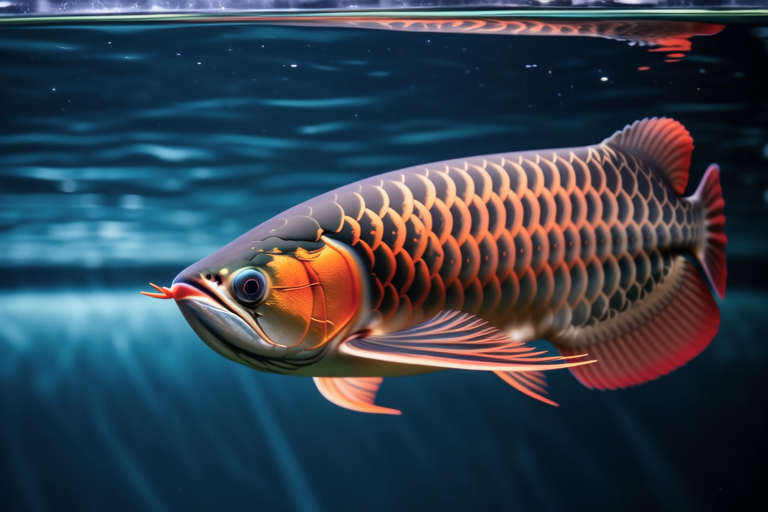
One of the first things that strike viewers of the Arowana is its unique appearance. It possesses a long, sleek body covered in large, shimmering scales that give it a metallic sheen. The scales are arranged in such a way that they reflect light in various directions, creating a mesmerizing play of colors that can range from deep green to gold. These scales are not just aesthetically pleasing; they serve as excellent armor against predators. Each scale is bony and thick, providing robust protection. Additionally, the Arowana has a protruding lower jaw with sharp teeth designed for capturing prey. Its eyes are large and set high on its head, offering a wide field of vision, which is crucial for hunting in its natural environment.
2. Habitat and Geographic Distribution
The Arowana is native to the freshwater rivers and swamps of Southeast Asia, particularly in countries like Malaysia, Indonesia, Thailand, and parts of China. It prefers slow-moving waters with plenty of vegetation, where it can hide among roots and branches. One of the most notable aspects of its habitat is the presence of submerged tree roots, which provide both shelter and a hunting ground. The Arowana is highly adapted to these environments, making it a true master of its domain. Its ability to thrive in these specific conditions makes it a prime example of how animals evolve to fit their surroundings.
3. Exceptional Jumping Ability
Perhaps one of the most remarkable traits of the Arowana is its extraordinary jumping ability. It can leap out of the water to catch insects, small birds, and even bats that fly above the surface. This behavior is not only impressive but also vital for its survival, as it allows the Arowana to access food sources that would otherwise be unreachable. In captivity, owners often witness this behavior, which can be both entertaining and alarming. This skill is attributed to its powerful pectoral fins, which provide the necessary thrust for such leaps.
4. Cultural Significance and Myths
In many cultures, the Arowana is considered a symbol of good luck and prosperity. This belief stems from ancient Chinese mythology, where the fish is associated with dragons, the ultimate symbol of power and wealth. Many believe that owning an Arowana brings financial success and protects against misfortune. In some regions, it is customary to gift a pair of Arowanas to newlyweds, symbolizing a harmonious and prosperous marriage. However, these beliefs have also led to overexploitation of the species, as demand for them as ornamental fish has surged. Despite these superstitions, the Arowana remains a beloved figure in many cultures.
5. Conservation Status and Efforts
Due to its popularity as a pet and its high value in the international market, the Arowana faces significant threats. Several species of Arowana are listed as endangered by the International Union for Conservation of Nature (IUCN). Overfishing, habitat destruction, and illegal trade are the primary reasons for their decline. Conservation efforts are underway, including captive breeding programs and strict regulations on the trade of wild-caught specimens. These initiatives aim to ensure the survival of this magnificent creature for future generations.
6. Parental Care and Behavior
The Arowana is renowned for its exceptional parental care. After spawning, the male carries the eggs in his mouth until they hatch, a process that can take several weeks. Once the fry emerge, he continues to protect them by keeping them close, ensuring their safety from potential predators. This level of dedication to offspring is rare among fish species and underscores the complexity of their social behaviors. Observing this behavior in captivity is a testament to the Arowana’s commitment to its young.
7. Diet and Hunting Techniques
The Arowana is a carnivorous predator with a diet primarily consisting of smaller fish, insects, and occasionally, terrestrial animals like frogs and lizards. Its hunting techniques are both precise and effective. Using its keen eyesight, it spots potential prey and then launches itself from the water with incredible speed and accuracy. This combination of visual acuity and agility makes it a formidable hunter in its natural habitat. In captivity, it is essential to provide a varied diet to mimic its natural feeding habits and maintain its health.
8. Longevity and Growth
Arowanas are known for their longevity and impressive growth rates. In optimal conditions, they can live up to 20 years or more, with some individuals reaching lengths of over 3 feet. Their growth rate varies depending on factors such as water quality, diet, and genetics. Proper care and maintenance are crucial to ensure they reach their full potential size and lifespan. For enthusiasts, witnessing the gradual growth of an Arowana can be a rewarding experience.
9. Adaptations for Aquatic Life
The Arowana has evolved several adaptations that allow it to thrive in its aquatic environment. Besides its protective scales and powerful fins, it has a specialized respiratory system that enables it to gulp air from the surface, supplementing its oxygen intake. This adaptation is particularly useful in low-oxygen environments, allowing the Arowana to survive in conditions that might be inhospitable to other fish. Additionally, its streamlined body shape reduces drag, enabling swift movement through the water.
10. Challenges in Captive Care
Caring for an Arowana requires specialized knowledge and resources. They need large aquariums with ample space for swimming and jumping. Water parameters must be meticulously maintained, including temperature, pH levels, and filtration systems. Feeding them can also be challenging, as they require a diverse diet that includes both live and frozen foods. Owners must be prepared for the long-term commitment involved in keeping these magnificent creatures healthy and happy. Despite these challenges, many aquarists find the rewards well worth the effort.
In conclusion, the Arowana is a truly remarkable species, distinguished by its stunning appearance, unique behaviors, and cultural significance. Whether you’re captivated by its jumping prowess, its role in local legends, or its intricate parenting skills, there is no denying the fascination it holds. As we continue to learn more about this enigmatic fish, it is our responsibility to ensure its preservation for future generations to admire and study.
