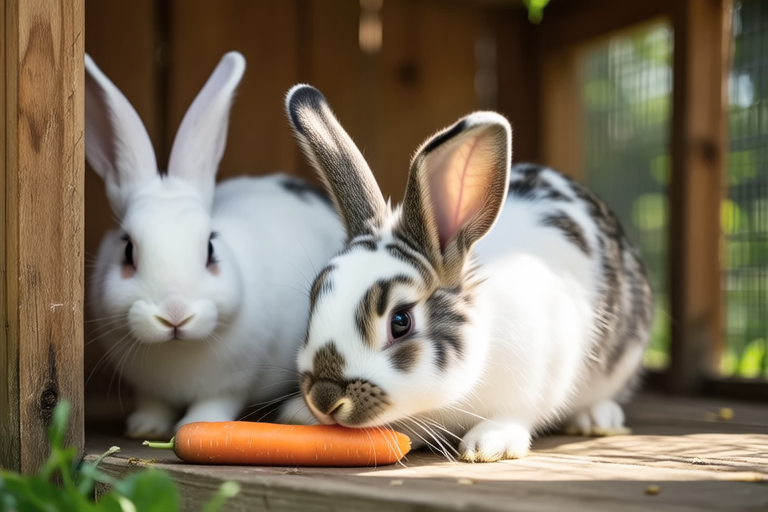
Hoppy Days Ahead: Raising Happy and Healthy Lop Rabbits at Home
Welcome to the wonderful world of lop rabbits! These charming, floppy-eared companions have captured the hearts of many pet owners. With their gentle nature and endearing appearance, lop rabbits make excellent pets for families, individuals, and even first-time rabbit owners. In this comprehensive guide, we will explore everything you need to know about raising happy and healthy lop rabbits at home.
Introduction to Lop Rabbits
Lop rabbits are a group of domesticated rabbit breeds known for their characteristic long ears that droop down close to their faces. There are several varieties of lop rabbits, including English Lops, French Lops, and Miniature Lops, each with unique traits. Their calm demeanor and affectionate nature make them ideal companions. Lop rabbits are highly popular due to their playful yet gentle temperament, making them perfect for households with children or other pets.
Choosing the Right Lop Rabbit Breed
Selecting the right lop rabbit breed for your home depends on your lifestyle, space availability, and personal preferences. Here’s a brief overview of some popular lop rabbit breeds:
- English Lop: Known for their extremely large ears, these rabbits can grow up to 12 pounds. They require ample space and are best suited for experienced rabbit owners.
- French Lop: A robust breed weighing between 9 to 12 pounds, they are more laid-back compared to their English counterparts. French Lops are great for beginners and intermediate owners.
- Miniature Lop: The smallest of the lop breeds, these rabbits weigh around 4 to 6 pounds. They are ideal for apartment living and are well-suited for families with limited space.
Necessary Housing Requirements
Creating a comfortable and safe living environment is crucial for your lop rabbit’s well-being. Lop rabbits need plenty of space to move around, play, and exercise. A spacious cage or hutch with a minimum floor area of 8 square feet is recommended for smaller breeds, while larger breeds like the French Lop may require a 12-square-foot enclosure. Ensure the enclosure has adequate ventilation, protection from extreme weather conditions, and secure latches to prevent escapes.
In addition to their primary living space, provide your lop rabbit with a litter box filled with paper-based bedding or hay. This helps in maintaining cleanliness and reduces odors. Place the litter box in one corner of the enclosure and encourage your rabbit to use it by rewarding positive behavior.
Proper Diet and Nutrition
A balanced diet is essential for keeping your lop rabbit healthy and active. The majority of their diet should consist of high-quality hay, which provides fiber necessary for digestion and dental health. Offer fresh water daily and supplement their diet with pellets formulated specifically for rabbits. Avoid feeding your lop rabbit excessive amounts of fruits and vegetables, as these can lead to digestive issues.
Vary the types of hay available to stimulate interest and provide different nutrients. Timothy hay is commonly recommended, but other options like orchard grass and oat hay can also be beneficial. Introduce new foods gradually to monitor any adverse reactions and adjust the diet accordingly.
Essential Grooming Practices
Grooming your lop rabbit regularly helps maintain their coat’s condition and prevents matting. Use a soft-bristled brush to gently comb through their fur, paying special attention to areas prone to tangles. Bathing should be kept to a minimum, as frequent bathing can strip natural oils from their skin. If necessary, spot-clean with a damp cloth rather than submerging the entire body.
Trimming nails and cleaning ears are additional grooming tasks that require careful handling. For nail trimming, use appropriate clippers designed for small animals and avoid cutting too close to the quick, which can cause bleeding. Cleaning ears involves wiping the outer ear flap with a damp cloth; never insert anything into the ear canal.
Common Health Issues to Watch For
Like all pets, lop rabbits are susceptible to certain health problems. Regular veterinary check-ups help catch potential issues early. Common health concerns include:
- Dental Problems: Overgrown teeth can cause pain and difficulty eating. Signs include drooling, weight loss, and reluctance to eat.
- Gastrointestinal Stasis: A potentially life-threatening condition where food moves slowly or stops moving through the digestive tract. Symptoms include decreased appetite, lethargy, and infrequent defecation.
- Ear Infections: Can occur if ears are not properly cleaned or if the rabbit is exposed to damp environments.
Consult your veterinarian immediately if you notice any unusual behaviors or physical changes in your lop rabbit.
Socializing and Training Lop Rabbits
Lop rabbits are intelligent and can learn simple commands with patience and positive reinforcement. Begin training by establishing a routine and using treats as rewards for desired behaviors. Teach basic commands such as coming when called, sitting, and staying. Consistency is key; practice short sessions multiple times per day.
Socialization is equally important for ensuring your lop rabbit feels comfortable around people and other animals. Handle your rabbit gently from an early age and introduce them gradually to new experiences. Encourage interaction with family members and allow supervised playtime with other pets under controlled conditions.
Creating an Enriching Environment
To keep your lop rabbit mentally stimulated and physically active, create an enriching environment filled with toys, tunnels, and climbing structures. Rotate toys periodically to prevent boredom and encourage exploration. Providing hiding spots within the enclosure offers security and promotes natural behaviors.
Supervised outdoor time allows lop rabbits to enjoy fresh air and sunshine while exercising safely. Choose a secure area free from predators and harmful plants. Always supervise closely during outdoor activities to ensure safety.
Conclusion
Raising happy and healthy lop rabbits requires dedication, knowledge, and love. By understanding their specific needs and providing proper care, you can ensure your furry friend leads a fulfilling life. Whether you’re a seasoned rabbit owner or just starting out, remember that each lop rabbit is unique and deserves individual attention.
Resources for Further Learning and Support
For more information on caring for lop rabbits, consider joining local rabbit clubs or online communities dedicated to rabbit enthusiasts. Books, articles, and educational videos offer valuable insights into rabbit behavior, health, and care. Don’t hesitate to reach out to veterinarians specializing in exotic animals for professional guidance.
