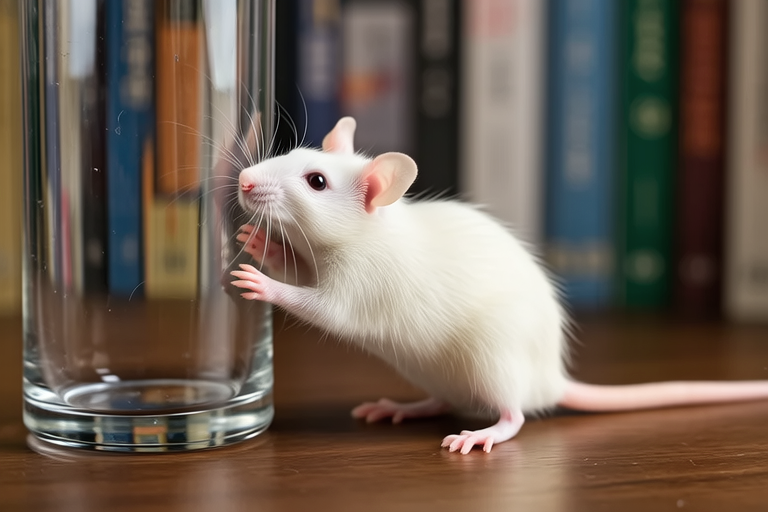
5 Myths Debunked About Living with a Fancy Rat
Fancy rats, also known as laboratory or domesticated rats, have been cherished as pets for centuries. Their intelligence, playful nature, and sociability make them ideal companions for those looking for a unique pet experience. These rodents are not only cute but also highly trainable, capable of performing tricks and forming strong bonds with their human caretakers. Despite their popularity, there are several misconceptions surrounding these small animals that can deter potential owners. This article aims to debunk five common myths about living with fancy rats, offering insights into why these intelligent creatures make excellent pets.
Myth 1: Fancy Rats Are Dirty and Smelly Pets
One of the most pervasive myths about fancy rats is that they are inherently dirty and smelly. In reality, rats are clean animals that spend a significant portion of their day grooming themselves, much like cats. They are naturally hygienic and will maintain their fur and environment if given the proper resources. The odor often associated with rats typically comes from their bedding or cage if it is not cleaned regularly. Providing adequate ventilation, changing bedding frequently, and ensuring their cage is cleaned thoroughly can prevent any unwanted smells.
Personal Experience: When I first brought my fancy rat home, I was concerned about the smell. However, after setting up a well-ventilated cage with regular cleaning schedules, I found that the odor was minimal and easily managed. Regularly replacing the bedding and cleaning the food and water dishes helped keep the environment fresh.
Myth 2: Fancy Rats Are Aggressive and Biting
Another misconception about fancy rats is that they are aggressive and prone to biting. While it is true that all animals can bite under certain circumstances, rats are generally gentle and docile creatures. Most bites occur when the animal feels threatened, scared, or improperly handled. With proper socialization and positive reinforcement training, rats can become affectionate and trusting pets. It is important to handle them gently and provide a safe environment where they feel secure.
Personal Experience: Initially, my rat was cautious around me, but with consistent handling and treats, she became very friendly and rarely showed aggression. Building trust through patience and respect has been key to our relationship.
Myth 3: Fancy Rats Are Noisy and Disturb Sleep
Some people believe that rats are noisy pets that can disturb sleep due to constant squeaking or chattering. While rats do communicate with each other through various vocalizations, including chirping and squeaking, these sounds are usually subtle and not disruptive. They are most active during the evening and night, which might seem noisy if you’re trying to sleep. However, the sounds they make are typically soft and can be easily ignored. Additionally, providing toys and activities during the day can help tire them out and reduce nighttime activity.
Personal Experience: I was initially worried about the noise level, but once I understood their behavior patterns and provided enough stimulation, the sounds were hardly noticeable. They are quite peaceful companions.
Myth 4: Fancy Rats Live Very Short Lives
Contrary to popular belief, fancy rats have a relatively long lifespan compared to other small rodents. On average, they live between two to three years, sometimes even longer with proper care. Factors such as genetics, diet, and living conditions play a crucial role in determining their longevity. Ensuring they have a balanced diet rich in vitamins and minerals, a clean environment, and plenty of mental and physical stimulation can significantly extend their lives.
Personal Experience: My first rat lived almost three years, which felt incredibly short at the time. But with better knowledge and care, subsequent rats have thrived longer, proving that their lifespan can be extended with proper attention.
Myth 5: Fancy Rats Require Minimal Attention
The idea that fancy rats need little attention is a common misconception. In reality, these intelligent creatures thrive on interaction and mental stimulation. Neglecting their social needs can lead to behavioral issues and health problems. Rats are highly social animals that enjoy the company of both humans and other rats. Spending quality time with them, playing games, and providing enrichment activities can greatly enhance their wellbeing and happiness.
Personal Experience: Engaging my rats in playtime has not only strengthened our bond but also improved their overall health. They are happier and more active when they receive regular attention and stimulation.
Tips for Potential Rat Owners
- Proper Housing: Provide a spacious cage with multiple levels, ramps, and tunnels to encourage exploration and exercise. Ensure the cage is escape-proof and placed in a quiet area away from direct sunlight and drafts.
- Diet: Feed your rats a balanced diet consisting of commercial rat pellets, fresh vegetables, fruits, and occasional treats. Avoid feeding them junk food or foods high in sugar and fat.
- Grooming: Regularly check their coat for any signs of illness or parasites. Trim their nails if necessary and brush their fur occasionally to keep it healthy.
- Playtime: Spend at least an hour daily interacting with your rats. Teach them simple tricks, play fetch, or simply allow them to explore a safe environment under supervision.
- Social Interaction: If possible, adopt two rats together so they can keep each other company. This helps prevent loneliness and provides companionship.
Owning a fancy rat can be a rewarding experience filled with joy and companionship. By dispelling these myths and understanding the true nature of these intelligent creatures, potential owners can make informed decisions about bringing one into their homes. With the right care and attention, fancy rats can become cherished members of the family.
