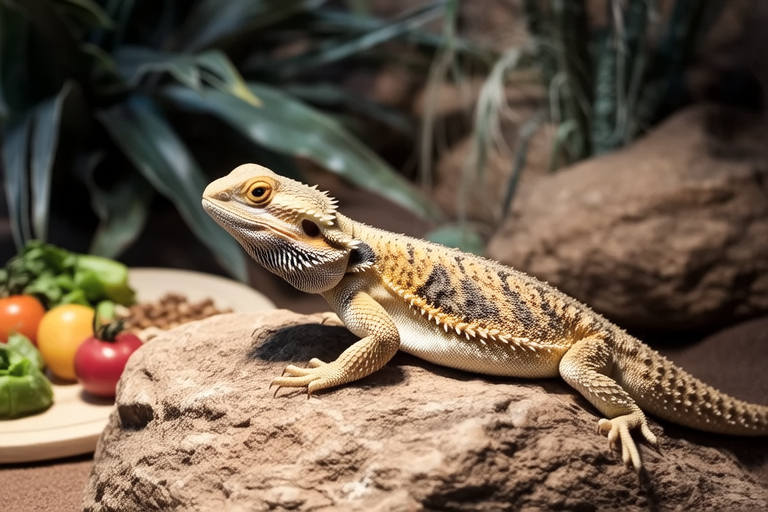
The Best Diet Tips for a Thriving Bearded Dragon
Bearded dragons are one of the most popular reptiles among pet owners due to their docile nature and vibrant colors. Providing a well-balanced diet is crucial for ensuring that your bearded dragon thrives. This article will cover essential dietary guidelines, including the importance of variety, recommended live prey, proper supplementation, vegetable and fruit choices, hydration methods, feeding frequency, common dietary mistakes to avoid, and tips for monitoring your bearded dragon’s health.
The Importance of Variety in Their Diet
A varied diet is essential for a bearded dragon’s health as it ensures they receive all necessary nutrients. In the wild, bearded dragons consume a diverse range of insects and vegetation. Replicating this diversity in captivity is vital to prevent nutritional deficiencies. Incorporating different types of food can also stimulate their natural hunting behaviors, which is beneficial for their mental health.
Recommended Live Prey
Live prey forms a significant part of a bearded dragon’s diet, particularly for juveniles and young adults. Crickets, dubia roaches, and mealworms are commonly fed. It’s important to feed the insects a nutritious diet before offering them to your bearded dragon. Gut-loading refers to feeding the insects a high-quality diet rich in vitamins and minerals. This process ensures that when the bearded dragon consumes these insects, they also ingest the nutrients. Additionally, dusting the insects with a calcium supplement just before feeding can help prevent metabolic bone disease (MBD).
Proper Supplementation
Supplementation is crucial for preventing nutrient deficiencies. Calcium and vitamin D3 are particularly important. Bearded dragons require calcium to maintain strong bones and vitamin D3 to absorb calcium effectively. UVB lighting is essential for vitamin D3 synthesis, but during colder months or if the dragon spends time indoors, additional supplementation may be necessary. Always consult a veterinarian or herpetologist to determine the appropriate dosage based on your dragon’s age, size, and activity level.
Vegetable and Fruit Choices
Vegetables and fruits provide essential vitamins and minerals that complement the protein-rich insect diet. Dark leafy greens like collard greens, mustard greens, and dandelion greens are excellent choices. Other vegetables such as bell peppers, carrots, and squash can be offered occasionally. Fruits should be limited to about 10% of the total diet due to their sugar content. Apples, berries, and melons are good options but should be given sparingly. Always wash and prepare vegetables and fruits thoroughly to remove any pesticides or harmful chemicals.
Hydration Methods
Bearded dragons obtain much of their moisture from their food, especially fruits and vegetables. However, providing a shallow water dish is advisable. Ensure the water is clean and changed daily to prevent bacterial growth. Some bearded dragons may drink from the water dish, while others may lap up water droplets from misted leaves. Misting the enclosure can also help increase humidity and encourage drinking behavior.
Feeding Frequency
The frequency of feeding depends on the age of the bearded dragon. Juveniles require more frequent meals, often two to three times a day, while adults can be fed once daily. It’s important to monitor the dragon’s body condition and adjust feeding accordingly. Overfeeding can lead to obesity, while underfeeding can result in malnutrition. Regular weigh-ins and visual assessments can help determine if the feeding schedule needs adjustment.
Common Dietary Mistakes to Avoid
Several common mistakes can negatively impact a bearded dragon’s health. One major mistake is over-relying on a single type of food, such as crickets, without incorporating other protein sources and vegetables. Another mistake is feeding insects that are too large for the dragon to eat, which can cause impaction. Feeding foods high in oxalates, such as spinach and rhubarb, can interfere with calcium absorption and lead to metabolic bone disease. Lastly, failing to provide adequate supplementation and UVB lighting can result in severe health issues.
Tips for Monitoring Your Bearded Dragon’s Health Through Its Diet
Monitoring your bearded dragon’s health through its diet involves regular observations and adjustments. Keep track of your dragon’s weight and body condition. A healthy bearded dragon should have firm muscles and clear eyes. Signs of malnutrition include lethargy, bloating, and loss of appetite. If you notice any of these signs, consult a veterinarian immediately. Regular fecal checks can also help identify potential health issues early on.
Balancing Proteins, Calcium, and Vitamins
Maintaining a balance between proteins, calcium, and vitamins is key to a bearded dragon’s overall health. Protein is essential for growth and repair, but too much can lead to kidney problems. Calcium is necessary for bone health, and vitamin D3 aids in calcium absorption. Ensuring a balanced diet with proper supplementation and UVB exposure helps maintain this balance. Regular veterinary check-ups can help monitor your dragon’s health and make necessary dietary adjustments.
In conclusion, providing a well-balanced diet is crucial for the health and happiness of your bearded dragon. By incorporating variety, selecting appropriate live prey, and ensuring proper supplementation, you can help your dragon thrive. Regular monitoring and adjustments to the diet based on your dragon’s specific needs will ensure a long and healthy life. Remember, a balanced diet is the foundation for a thriving bearded dragon.
