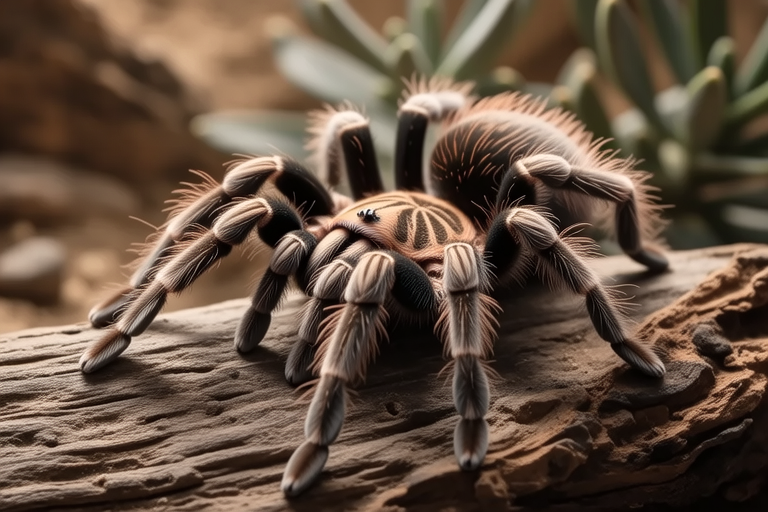
Chilean Rose Tarantula Care: Tips for New and Experienced Owners Alike
The Chilean rose tarantula (Grammostola rosea) is one of the most popular pet tarantulas due to its docile nature and relatively low maintenance requirements. This guide will provide you with comprehensive information on how to care for your Chilean rose tarantula, ensuring its safety and well-being. Whether you’re a new owner or an experienced arachnid enthusiast, this article covers all aspects of Chilean rose tarantula care.
Habitat Setup
Creating a suitable habitat is crucial for the health and happiness of your Chilean rose tarantula. The enclosure should mimic their natural environment as closely as possible. For a young tarantula, a 5-gallon tank is sufficient; however, as they grow, a 10-gallon tank is recommended.
- Substrate: Use a substrate that allows for burrowing, such as coconut fiber or a mixture of peat moss and vermiculite. The depth should be at least three times the leg span of the tarantula.
- Decorations: Add cork bark or branches for climbing and hiding spots. These items also help maintain humidity levels within the enclosure.
- Cleaning: Regularly clean the enclosure to prevent the buildup of waste and mold. Spot cleaning can be done weekly, while a thorough cleaning every few months is necessary.
Temperature and Humidity Requirements
Maintaining the correct temperature and humidity levels is vital for the health of your Chilean rose tarantula.
- Temperature: The ideal temperature range is between 75°F and 85°F (24°C to 29°C). Use a thermometer to monitor these conditions and adjust heating elements if necessary.
- Humidity: Maintain humidity levels between 60% and 80%. This can be achieved by misting the substrate regularly and ensuring there is adequate ventilation.
For advanced owners, consider using a hygrometer to measure humidity more accurately. Additionally, placing a water dish in the enclosure can help maintain humidity levels, but ensure it’s shallow enough to prevent drowning.
Diet Specifics
Chilean rose tarantulas are opportunistic feeders and will eat a variety of prey. Their diet primarily consists of insects like crickets, mealworms, and dubia roaches. Feed juveniles every 5-7 days and adults once every 7-14 days.
- Feeding Frequency: Adjust feeding frequency based on the tarantula’s activity level and size. Overfeeding can lead to obesity and other health issues.
- Dusting Prey: Dust prey items with calcium powder and a multivitamin supplement before feeding to ensure proper nutrition.
Always remove uneaten prey after 24 hours to prevent stress and potential injury to the tarantula. For experienced owners, introducing live prey in different sizes and species can provide enrichment and stimulate natural hunting behaviors.
Handling Advice
While Chilean rose tarantulas are generally docile, they can become defensive when handled improperly. Always handle your tarantula with care and respect.
- Proper Technique: Gently coax the tarantula onto your hand using a small stick or paper. Once on your hand, support its abdomen with your other hand. Never pick up a tarantula by its legs or abdomen.
- Frequent Handling: Limit handling to avoid stressing the tarantula. Frequent handling can weaken its exoskeleton and make it more susceptible to injury.
For experienced owners, practicing gentle handling techniques can enhance the bond between you and your pet. However, always prioritize the tarantula’s comfort and safety.
Health Issues to Watch For
Regular observation is key to maintaining the health of your Chilean rose tarantula. Some common health issues include:
- Molting: During molting, the tarantula may appear lethargic and stop eating. Provide a humid hide and avoid disturbing the tarantula during this process. Ensure it has eaten properly post-molt.
- Paralysis: If your tarantula exhibits signs of paralysis, such as difficulty moving or standing, consult a veterinarian immediately. This could indicate poisoning or another serious condition.
- Wet Shed: If the exoskeleton remains attached to the tarantula after molting, it is considered a wet shed. This can be fatal if not addressed promptly. Contact a veterinarian for assistance.
For advanced owners, learning about tarantula anatomy and behavior can help identify subtle changes in health early on. Regular veterinary check-ups are also recommended.
Enrichment Activities
Providing enrichment activities can stimulate mental and physical well-being in your Chilean rose tarantula.
- Environmental Enrichment: Introduce new decorations, rearrange existing ones, or add different types of substrate to keep the enclosure interesting.
- Feeding Enrichment: Offer live prey in various sizes and species to encourage natural hunting behaviors. Hide food items within the enclosure to promote exploration.
Advanced owners might explore more complex enrichment activities, such as creating obstacle courses or providing scent trails. Always ensure any enrichment activity is safe and does not cause undue stress.
Conclusion
Caring for a Chilean rose tarantula is both rewarding and challenging. By following the guidelines provided in this article, you can ensure the health and happiness of your pet. Remember, the primary goal is to create a safe and enriching environment that mimics the tarantula’s natural habitat. With patience and dedication, you’ll form a strong bond with your pet and enjoy many years of companionship.
